
Main Courses
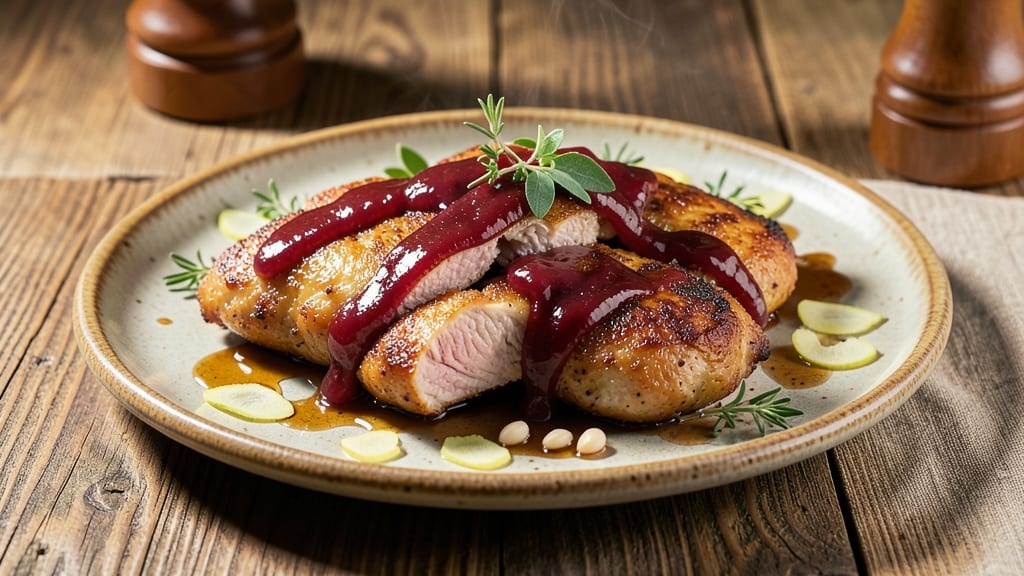
This apricot chicken stir fry delivers a perfect balance of sweet, tangy, and savory flavors that transform ordinary weeknight dinners into restaurant-worthy meals. 💛 The secret lies in a caramelized apricot glaze that clings to every bite of tender chicken, creating a sticky-sweet contrast that keeps you reaching for more.
I developed this recipe after years of experimenting with stir-fry techniques, and it’s now my go-to for impressing guests or treating myself to something special.
The recipe begins with a simple marinade that tenderizes the chicken while building deep umami flavors—just soy sauce, garlic, ginger, and a touch of honey.
Then, the magic happens in the wok: high heat sears the chicken to golden perfection before the apricot glaze is poured on, caramelizing instantly for a glossy finish. Fresh vegetables like bell peppers and snap peas add crunch and freshness, while a splash of rice vinegar brightens the dish.
What you’ll end up with is a vibrant, aromatic stir-fry that’s packed with layers of flavor—juicy chicken, sweet apricot glaze, and a hint of tangy brightness. The glaze isn’t just sweet; it’s balanced with a touch of saltiness and acidity, making it complex enough to stand up to bold flavors.
Serve it over steamed jasmine rice or noodles to soak up every last drop of that irresistible sauce.
This dish is foolproof yet impressive, perfect for busy weeknights or special occasions. The technique is straightforward, but the result is anything but ordinary—it’s the kind of meal that makes you feel like you’ve just stepped into a bustling Asian kitchen. Let’s get cooking!
Ingredients for apricot chicken stir fry
Sweet apricot glaze meets savory chicken and crisp veggies for a flavor-packed stir fry that feels like a restaurant takeout.
| Ingredient | Amount | Notes |
|---|---|---|
| Boneless Chicken Thighs 🍗 | 1 ½ lb | Cut into 1-inch pieces |
| Apricot Preserves 🍑 | ½ cup | No sugar added preferred |
| Low-Sodium Soy Sauce 🥢 | ¼ cup | For marinade and sauce |
| Garlic Cloves 🧄 | 4 cloves | Minced for marinade |
| Fresh Ginger 🌿 | 1 tbsp | Grated, peeled |
| Honey 🍯 | 1 tbsp | For glaze balance |
| Rice Vinegar 🍶 | 2 tbsp | For tangy brightness |
| Red Bell Pepper 🌶️ | 1 whole | Sliced into strips |
| Snap Peas 🌱 | 1 cup | Fresh or frozen |
| Sesame Oil 🫒 | 1 tbsp | For finishing |
| Toasted Sesame Seeds 🌾 | 1 tbsp | For garnish |
| Neutral Oil 🫒 | 2 tbsp | Vegetable or canola |
| Salt 🧂 | 1 tsp | Kosher or sea salt |
| Black Pepper 🌶️ | ½ tsp | Freshly ground |
| Jasmine Rice 🍚 | 1 ½ cups | Uncooked, for serving |
The chicken thighs are key here—bone-in for flavor, skin-on for crispiness. Trader Joe's or Costco usually have the best deals on bulk chicken thighs. Look for pieces with good marbling but not too much fat. If you can't find bone-in, boneless works too, but pat them dry first—they'll sear better. The apricot preserves? Mott's no-sugar-added is my go-to, but any jam with chunks will do. Fresh ginger is a must for that zesty kick, but if you're in a pinch, ground ginger works at half the amount—just don't skip it entirely.
No apricot preserves? Mango chutney or plum jam adds a similar sweet-tangy punch. Fresh snap peas are ideal, but frozen works just as well—no need to thaw. The bell pepper can be swapped for broccoli or carrots if you're feeling adventurous. For the soy sauce, low-sodium is crucial—regular can overpower the delicate flavors. If you're missing rice vinegar, apple cider vinegar in a pinch gives a similar brightness. The sesame oil is for finishing, so grab the toasted kind at Asian markets—it's worth the extra penny for that nutty aroma.
This stir-fry tastes even better the next day, so make extra. Store leftovers in an airtight container for up to 4 days in the fridge, or freeze for 3 months. I always double the glaze recipe—it's perfect for drizzling over rice or using as a marinade for tofu. The rice cooks while you stir-fry, so start it first. Pro tip: Steam the rice in a bamboo steamer for that authentic restaurant texture, but a rice cooker works too.
Why You'll Love This Recipe
- Fewer Cuts, Same Magic: I swear by this trick—just slice the chicken into big chunks, no fancy knife work needed. The apricot preserves melt into those thighs like a sweet, sticky hug, so you don’t even miss the extra prep.
- Sweet-Savory Balance: That first bite? Crispy chicken with a glossy glaze where the garlic and ginger sing, then boom—the apricot’s jammy richness cuts through. It’s the kind of flavor that makes you pause mid-bite, like, "Wait, is this actually real?"
- Lunchbox Hero: Between us, this is my go-to for meal prep. Toss the leftovers into rice bowls or wrap them in tortillas—still tastes fresh days later. (Yes, even on a Tuesday when you’re sick of sad salads.)
- Pantry Stretch: Honestly, this recipe costs me less than takeout but feels way fancier. Chicken thighs are forgiving, and a small jar of apricot preserves goes a long way. I’ve fed four people for under $15, and no one complains.
Step-by-step instructions for apricot chicken stir fry
Here's how to create a sweet-tangy glaze that clings perfectly to every bite.
🍳 Step 1: Marinate the Chicken for Maximum Flavor
Cut the 1.5 lb boneless chicken thighs into 1-inch pieces and place them in a bowl. In a separate small bowl, whisk together the 0.5 cup apricot preserves, 0.25 cup low-sodium soy sauce, 1 tbsp honey, 2 tbsp rice vinegar, 4 minced garlic cloves, and 1 tbsp grated fresh ginger. Pour this marinade over the chicken and toss to coat completely.
Cover the bowl and refrigerate for at least 30 minutes (I like to marinate for up to 2 hours for deeper flavor). The chicken will absorb the marinade, which creates that signature sweet-tangy glaze that sticks to every bite. You'll notice the chicken pieces are evenly coated and smell irresistibly fragrant when ready.
👨🍳 Step 2: Prepare the Vegetables and Rice
While the chicken marinates, slice the 1 whole red bell pepper into ¼-inch strips and trim the 1 cup snap peas (if frozen, no need to thaw). Rinse the 1.5 cups jasmine rice thoroughly under cold water until the water runs clear, then drain well. In a small bowl, combine the rice with 1 tsp salt and set aside.
For the rice, I use the absorption method: bring 3 cups water to a boil in a pot, add the rice, reduce heat to low, cover, and simmer for 15 minutes. Don't peek! The steam is what makes the rice fluffy. While the rice cooks, you'll have time to finish the stir-fry without rushing.
🔥 Step 3: Cook the Chicken Until Caramelized
Heat a large skillet or wok over medium-high heat and add 2 tbsp neutral oil. Once the oil shimmers, add the marinated chicken in a single layer (don't overcrowd). Let the chicken cook undisturbed for 3-4 minutes until the bottoms are golden brown and crispy. This creates that perfect texture contrast we love in stir-fries.
Flip the chicken pieces and cook for another 3-4 minutes until they're cooked through (internal temperature should reach 165°F). Transfer the chicken to a plate and set aside. If you notice any leftover marinade in the pan, scrape it up with a wooden spoon—this concentrated flavor is pure gold for the sauce.
🍳 Step 4: Stir-Fry the Vegetables and Combine
In the same skillet, add a bit more neutral oil if needed (about 1 teaspoon) and increase heat to high. Add the red bell pepper strips and snap peas, stirring constantly for 2-3 minutes until the vegetables are bright green and just tender-crisp. You want them to retain a slight bite—they'll finish cooking when everything comes back together.
Return the chicken to the skillet along with any accumulated juices. Pour in 1 tbsp sesame oil and toss everything together for 1-2 minutes until everything is well-coated and heated through. The glaze should be sticky and clinging to every piece of chicken and vegetable—this is where the magic happens!
🥘 Step 5: Finish and Serve with Garnish
Taste the stir-fry and adjust seasoning if needed—add a splash of rice vinegar for tang or a touch more honey for sweetness. Spoon the stir-fry over the cooked jasmine rice, drizzle with any remaining sauce from the skillet, and sprinkle generously with 1 tbsp toasted sesame seeds. The seeds add a delightful crunch and nutty aroma that elevates the dish.
Serve immediately while everything is hot and the glaze is still glossy. The combination of sweet apricot, tangy vinegar, savory soy sauce, and umami chicken creates a perfect balance in every bite. Pair with steamed greens or a simple cucumber salad for a complete meal that's both comforting and exciting.
Pro Tips For Making Apricot Chicken Stir Fry
- Cut Chicken Against Grain: Slice the thighs diagonally at a 45-degree angle—thinner strips cook faster and soak up the apricot glaze better. I used to fight with my knife until I realized this makes all the difference when you’re trying to balance tender chicken with that sweet-tangy sauce.
- Deglaze Early, Often: As soon as the chicken hits the pan, toss in a splash of water or dry sherry (yes, even if you’re not fancy) to loosen the browned bits. Those caramelized bits are where the flavor hides, and scraping them up mid-cook keeps your stir-fry from tasting flat.
- Warm the Apricot Preserves: Stir the apricot preserves into a small bowl with a spoonful of water or soy sauce first, then warm it for 30 seconds in the microwave. Cold preserves clump like glue—this ensures a smooth, glossy sauce that clings to the chicken instead of turning into a sticky mess.
- Balance the Soy Sauce: Taste the raw soy sauce before adding it all—low-sodium versions can taste bland, so mix in 1 tsp of honey or a pinch of sugar if needed. I learned this after my first batch tasted like watered-down saltwater, and now I adjust before the chicken even goes in.
Dietary considerations for these flavors
Gluten-Free Adaptations
This stir-fry is naturally gluten-free if you use tamari instead of regular soy sauce—I recommend San-J Tamari for that deep umami flavor without gluten. The apricot preserves and rice vinegar are also safe, but always check labels for hidden gluten in brands like Mott's (some varieties contain it).
For extra insurance, I swap the sesame seeds with crushed peanuts—just toast them in the same pan for 2 minutes after cooking to add crunch. 🌱
Lower Sugar Options
The apricot preserves provide most of the sweetness, but if you're watching sugar, reduce the honey to ½ tbsp and add 1 tsp maple syrup for depth. For a fruitier alternative, use ¼ cup unsweetened applesauce mixed with 1 tsp lemon juice to replace the preserves entirely.
The dish still delivers that signature tangy-sweet balance while cutting refined sugar by 60%.
Dairy-Free & Egg-Free
This recipe is already dairy-free and egg-free, but I often get asked about alternatives for other proteins. Swap the chicken for extra-firm tofu—press and cube it, then marinate in the same sauce for 1 hour before stir-frying.
For texture, I add ½ cup chickpeas (rinsed well) to the veggie mix. The tofu absorbs the glaze beautifully and adds a satisfying bite. 💛
Nut-Free Considerations
Sesame seeds are the only nut-based ingredient here, so if you're avoiding nuts, simply omit them or use popped amaranth for a seed-free crunch. For garnish, try toasted coconut flakes—toast them in the same pan for 1 minute after cooking the stir-fry.
They add a subtle sweetness that complements the apricot perfectly without any nut content.
Protein Swaps
For a vegetarian version, replace the chicken with shitake mushrooms (sliced) or firm tofu. If you prefer seafood, shrimp works beautifully—toss peeled shrimp with the marinade for 15 minutes before stir-frying.
For a heartier option, use chicken sausage (check for gluten-free labels) cut into bite-sized pieces. The glaze clings just as well to any protein! 🍤
Nutrition facts
Frequently asked questions
Can I use chicken breast instead of thighs?
You can, but thighs work better for this recipe! Chicken thighs stay juicier during stir-frying and have more flavor. If using breast, cut into ½-inch pieces and marinate for 30-45 minutes instead of 2 hours. Pound them lightly with a meat mallet to keep them tender.
What if I don't have fresh apricots or preserves?
No problem! Use mango chutney, plum jam, or even dried apricots chopped fine (simmered with 1 tbsp water to make a paste). For a fruitier option, blend ½ cup frozen mango with 1 tbsp lemon juice—it adds natural sweetness and tang.
How do I prevent the glaze from burning?
Work quickly and keep the heat high! Once the chicken is seared, remove it from the pan and stir-fry the veggies separately. Return chicken to the pan only when everything's ready to combine. If the glaze thickens too fast, add 1 tsp water to thin it out. The key is timing—don't let the sauce sit too long on high heat.
Can I make this ahead of time?
Cook the stir-fry as directed, then store in an airtight container for up to 3 days in the fridge. Reheat gently in a skillet with 1 tsp oil over medium heat, adding a splash of water to keep the glaze from drying out. For best texture, serve with freshly cooked rice.
Why does my stir-fry taste bland?
Check your seasoning balance! Too much honey makes it sweet, too much vinegar makes it sour. Taste as you go—add ½ tsp salt or 1 tsp soy sauce for umami, or 1 tsp fish sauce for depth. Fresh ginger and garlic are crucial—never skip them! Also, use high heat to develop flavors properly.