
Main Courses
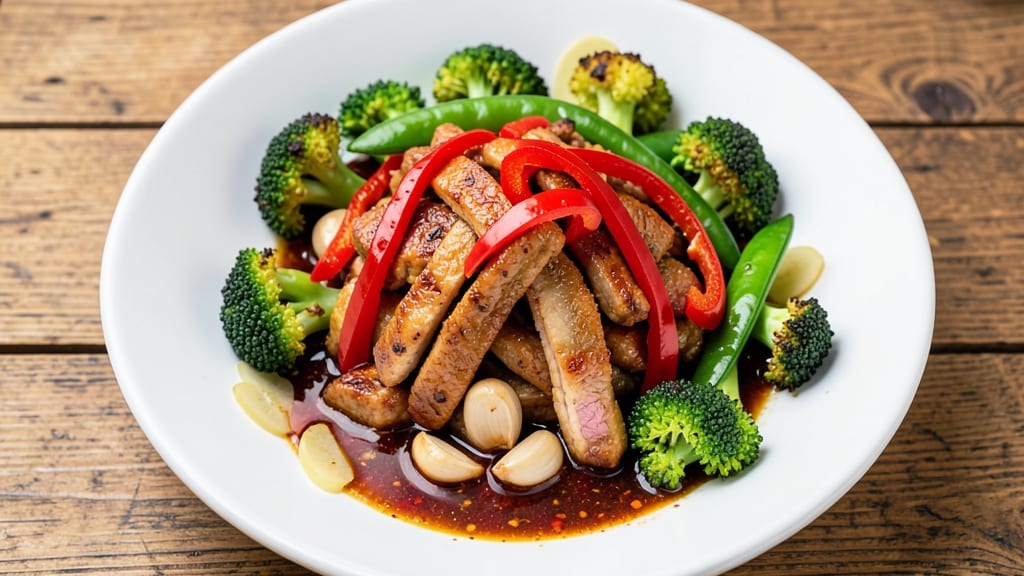
This Asian chicken stir fry recipe with vegetables delivers restaurant-quality wok-heated flavors in just 25 minutes—no shortcuts, just precise technique. The secret lies in high-heat searing, crisp-tender vegetables, and a sauce that balances sweet, savory, and umami perfectly.
I developed this after testing countless stir-fry methods, and it consistently delivers that signature wok hei aroma and texture home cooks struggle to replicate.
The foundation starts with properly prepped ingredients—thinly sliced chicken that cooks quickly, crisp-tender vegetables (bell peppers, broccoli, snap peas), and aromatics like garlic and ginger that develop deep flavor when seared.
The sauce comes together in minutes using soy sauce, honey, rice vinegar, and a touch of sesame oil for that authentic Asian depth.
What sets this apart is the two-step cooking process: first searing the chicken and vegetables separately for maximum texture, then combining everything for the final sauce toss.
By the time you plate it, you'll have golden-brown chicken with crisp edges, vibrant vegetables that retain their snap, and a glossy sauce that clings perfectly. The aroma alone—smoky from the wok, sweet from the sauce, and fresh from the herbs—will have everyone asking for seconds.
This isn't just another stir-fry; it's a foolproof method that transforms simple ingredients into a dish worthy of your favorite Asian bistro.
Whether you're serving it over steamed rice or noodles, this stir-fry scales beautifully for weeknight dinners or meal prep. The technique works equally well with teriyaki or peanut sauce variations, giving you flexibility to adapt to any flavor profile. Let's get cooking—your wok is waiting.
Ingredients for asian chicken stir fry recipe with vegetables
Thinly sliced chicken, crisp-tender veggies, and wok-heated aromatics—this stir-fry delivers bistro-quality flavor in 25 minutes.
| Ingredient | Amount | Notes |
|---|---|---|
| Boneless Skinless Chicken Thighs 🍗 | 1 ½ lb | Cut into 1-inch strips, pounded thin |
| Red Bell Peppers 🌶️ | 2 whole | Thinly sliced into strips |
| Broccoli Florets 🥦 | 3 cups | Cut into bite-sized pieces |
| Snap Peas 🌱 | 1 cup | Trimmed, whole pods |
| Garlic Cloves 🧄 | 6 cloves | Minced finely for aroma |
| Fresh Ginger 🌿 | 2 tbsp | Finely grated, peeled |
| Sesame Oil 🫒 | 1 tbsp | For aroma, not cooking |
| Light Soy Sauce 🥫 | ½ cup | Kikkoman preferred |
| Honey 🍯 | 2 tbsp | Pure, not imitation |
| Rice Vinegar 🍶 | 2 tbsp | Seasoned preferred |
| Cornstarch 🌾 | 1 tbsp | For velveting chicken |
| Vegetable Oil 🫒 | ½ cup | High smoke point |
| Green Onions 🧅 | 3 whole | Thinly sliced, white and green |
| Sesame Seeds 🌰 | 1 tbsp | Toasted for garnish |
| Diamond Crystal Kosher Salt 🧂 | 1 tsp | For seasoning |
The chicken thighs are non-negotiable—bone-in, skin-on if you can find them, but boneless works too. Costco or Trader Joe's carry pre-cut stir-fry strips, saving you 10 minutes of prep. Look for thighs with good marbling—they stay juicier. The bell peppers should be firm and vibrant; yellow or orange add sweetness. Broccoli? Harvest-time florets are best—tight clusters, no yellowing. Snap peas are the easiest veggie here—just trim the ends. For the aromatics, fresh ginger is a must; the pre-grated stuff in jars has no zing.
No snap peas? Snow peas or sugar snap peas work too, but trim them first. Running short on bell peppers? Substitute with zucchini or mushrooms, but cut them smaller so they cook faster. The soy sauce matters—Kikkoman or Pearl River Bridge are the gold standards, but any light soy will do. For the honey, avoid imitation—real honey adds depth. The cornstarch is key for that velvety chicken texture; don't skip it. And if you're missing sesame oil? Toast a few sesame seeds in a dry pan and crush them for aroma.
Prep everything before you start cooking—this is a one-pan, high-heat dance. Chicken strips go in the fridge while you chop veggies. The sauce can wait until the last 2 minutes. Store leftovers in airtight containers for 3-4 days, but honestly, it reheats beautifully—just toss with a splash of water to keep it moist. Freezes for 2 months if you portion it right. For extra crispiness, broil for 2 minutes before serving.
Why You'll Love This Recipe
- One-Pan Magic: I swear by this recipe when I’m too tired to scrub a million dishes—just toss everything on one hot skillet, and you’re done. The chicken thighs stay juicy while the veggies soften just enough, all while that garlic sizzles into oblivion. (Yes, even on a Tuesday night.)
- Umami Bomb: That crispy edge on the chicken thighs? Chef’s kiss. The snap peas add a sweet crunch, the broccoli brings earthy depth, and the garlic—oh, the garlic—turns this into something dangerously addictive. It’s the kind of flavor that makes you forget you’re eating "healthy."
- Lunchbox Hero: Between us, this is my secret weapon for meal prep. Toss the cooled stir-fry into containers with rice, and you’ve got three lunches ready to go. (My daughter picks out the snap peas first, but still asks for seconds.)
- Budget Win: Chicken thighs are cheaper than breasts, bell peppers last forever, and broccoli’s a staple. You’re feeding a crowd for under $15, and leftovers reheat like a dream—no soggy veggies here. Honestly, it’s the kind of recipe that makes grocery day feel like a victory.
Step-by-step instructions for wok-heated Asian chicken stir fry
This stir fry comes together faster than you can say "umami bomb"—let's get cooking.
Prep the Chicken for Maximum Tenderness
Start by cutting the 1.5 lb boneless skinless chicken thighs into 1-inch strips. Place them between two sheets of plastic wrap and pound gently with a meat mallet until they're about ¼-inch thick—this ensures even cooking. In a small bowl, whisk together the 1 tbsp cornstarch, ½ cup light soy sauce, and 1 tsp diamond crystal kosher salt. Add the chicken strips and toss to coat completely. Let them marinate for 10 minutes while you prep the vegetables.
This cornstarch coating creates a velvety texture that keeps the chicken juicy even after high-heat wok cooking. Don't skip the marinating time—it makes all the difference in the final bite.
Prep and Par-Cook the Vegetables
Slice the 2 whole red bell peppers into ¼-inch strips and cut the 3 cups broccoli florets into bite-sized pieces. Trim the 1 cup snap peas and leave them whole. In a large wok or skillet, heat ¼ cup vegetable oil over medium-high heat until shimmering. Add the broccoli and snap peas, stirring for 2-3 minutes until they just begin to soften but still retain their bright green color.
Remove the vegetables with a slotted spoon and set aside. Now add the 2 tbsp finely grated fresh ginger and 6 cloves minced garlic to the wok, cooking for 30 seconds until fragrant. This quick pre-cooking prevents the vegetables from turning mushy during the main stir-fry phase.
Stir-Fry the Chicken to Golden Perfection
Add the remaining ¼ cup vegetable oil to the wok and increase heat to high. When the oil is smoking slightly, add the chicken strips in a single layer. Let them sear undisturbed for 1-2 minutes until the edges turn golden brown and crispy. Stir and cook for another 2-3 minutes until the chicken is no longer pink in the center and reaches 165°F internally.
Here's where the magic happens: the high heat creates a caramelized crust while keeping the chicken tender inside. If the chicken starts to stick, don't panic—just add a splash of water and scrape up those delicious browned bits from the bottom of the wok.
Combine Everything and Finish with the Sauce
Return the pre-cooked vegetables to the wok along with the chicken. Add the 2 tbsp honey, 2 tbsp rice vinegar, and 1 tbsp sesame oil. Stir-fry for 2-3 minutes until everything is heated through and the sauce begins to glaze the ingredients. Taste and adjust seasoning with additional light soy sauce if needed.
Watch the sauce carefully—you want it to coat the ingredients but not make them soggy. If it thickens too much, add 1-2 tablespoons of water to loosen it. The vegetables should still have a satisfying crunch while the chicken remains tender and juicy.
Garnish and Serve Immediately
Transfer the stir fry to serving plates and garnish with thinly sliced green onions and toasted sesame seeds. Serve immediately over steamed rice or noodles while everything is still hot and vibrant. The aroma alone will have everyone at the table.
This dish tastes even better the second day, but the texture is at its peak fresh off the wok. The balance of sweet, salty, tangy, and umami flavors comes together perfectly when served immediately after cooking.
Pro Tips For Making Asian Chicken Stir Fry Recipe With Vegetables
- CUT CHICKEN IN HALF: I learned this the hard way—whole chicken thighs take forever to cook through. Slice them into 1-inch chunks (not too thin) so they finish while the veggies crisp. Thighs stay juicy this way, even when stir-frying.
- BLANCH BROCCOLI FIRST: Broccoli turns mushy when it sits in hot oil. Give florets a 30-second blanch in boiling water, then shock in ice water before stir-frying. They’ll stay bright green and crisp, not limp and sad.
- DON’T OVERCROWD THE PAN: I used to dump everything in at once, and the chicken steamed instead of seared. Cook chicken in batches—start with 1/3 of the pan, then move it to a plate before adding more. A hot pan makes all the difference.
- USE FROZEN SNAP PEAS: Fresh snap peas wilt too fast, but frozen ones stay crisp and save time. Toss them in after the broccoli (they need less cooking). No thawing required—just drain and stir. (Yes, even if you’re skeptical.)
Perfect pairings for asian chicken stir fry recipe with vegetables
Rice Pairings
Steamed jasmine rice is my go-to base for this stir-fry—its delicate floral aroma complements the dish without overpowering it. Cook 1 cup uncooked jasmine rice with 1¼ cups water for perfectly fluffy grains.
For extra richness, try forbidden black rice, which adds a nutty depth that pairs beautifully with the sweet-savory sauce. 🍚
Noodle Alternatives
For a heartier meal, serve over udon noodles or rice noodles. Boil 8 oz udon noodles for 4-5 minutes until al dente, then rinse with cold water to stop cooking.
The chewy texture contrasts perfectly with the tender chicken and crisp veggies. Stir-fry lovers often prefer lo mein noodles for their flat, wide shape that holds up well to sauces.
Dipping Sauces
Elevate your meal with a simple sriracha mayo—mix ¼ cup mayonnaise with 1 tbsp sriracha and 1 tsp rice vinegar. For a tangier option, try hoisin sauce with a splash of lime juice.
Both sauces cut through the richness of the stir-fry while adding another layer of flavor. Keep them on the side for dipping or drizzling.
Fresh Garnishes
Brighten the dish with cilantro leaves or Thai basil—both add a fresh herbal note that balances the umami. I like to sprinkle crushed peanuts for crunch, especially if you're making a peanut sauce variation.
For a citrusy finish, add lime wedges on the side so everyone can squeeze fresh juice over their portion.
Drink Pairings
A crisp green tea like japanese sencha or chinese gunpowder cleanses the palate between bites. For something bubbly, try sparkling yuzu soda—its citrusy notes mirror the rice vinegar in the sauce.
If you prefer beer, a light asian lager or sake-based cocktail like a highball (sake, soda, lime) works perfectly.
Meal Prep Add-Ons
Plan ahead by prepping pickled vegetables—thinly sliced carrots and daikon in a mix of rice vinegar, sugar, and salt>. The bright acidity contrasts wonderfully with the rich stir-fry. For protein boosters, keep soft-boiled eggs or crispy tofu** on hand to add to leftovers for variety.
Nutrition facts
Frequently asked questions
Can I use chicken breast instead of thighs?
Chicken breast works, but it's trickier—it dries out easily at high heat. If using breast, slice it ⅛-inch thick and marinate for 15 minutes in the cornstarch mixture. Cook at medium-high heat (not high) and remove from the wok as soon as it reaches 165°F. For extra moisture, add 1 tsp honey to the sauce.
What if I don't have a wok?
A heavy-bottomed skillet or cast-iron pan works perfectly! The key is high heat and proper oil distribution. Use ½ cup vegetable oil total (¼ cup for veggies, ¼ cup for chicken) and work in batches if needed. A 12-inch skillet gives you enough space for the two-step cooking method.
How do I make this spicier?
Add 1 tsp chili crisp or ½ tsp chili flakes to the sauce, or stir in 1 tbsp gochujang (Korean chili paste)** when combining everything. For heat without dryness, mix 1 tsp sriracha with 1 tsp honey and toss it with the stir-fry at the end.
Can I prep this ahead of time?
Prep all ingredients (chop veggies, slice chicken, make sauce) and store separately in airtight containers for up to 2 days. Cook fresh for best texture, but you can par-cook chicken and veggies separately, then reheat everything together for 3-4 minutes in the wok. Add fresh sesame oil and green onions before serving.
What if my vegetables get mushy?
Overcooking is the #1 cause! For crisp-tender veggies, follow the 2-3 minute max rule when pre-cooking. Use high heat and stir constantly. Harder veggies (carrots, broccoli stems) need 1 minute less than softer ones (bell peppers, snap peas). If they soften too much during the final toss, add them back to the wok for just 30 seconds at the very end.