
Main Courses
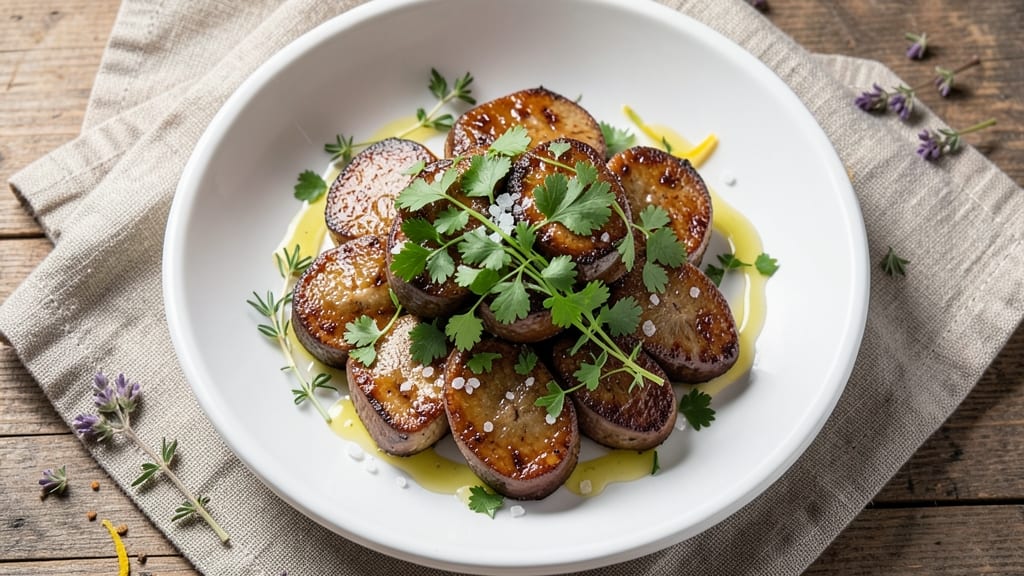
This baked chicken livers recipe transforms humble offal into foil-sealed, restaurant-quality bites with just a few simple techniques. The secret lies in proper preparation—soaking to remove bitterness and trimming for even cooking—before sealing them in buttery, herbaceous foil packets.
What starts as an intimidating ingredient becomes rich, tender, and deeply savory when baked to perfection, with crisp edges and velvety centers.
French cuisine popularized chicken livers as a delicacy, and this method captures that luxurious texture without requiring advanced skills. You’ll work with just five core ingredients—livers, butter, herbs, lemon, and salt—plus a few pantry staples for depth.
The foil-sealing technique ensures they stay juicy while developing a golden crust, and the resulting dish pairs beautifully with roasted potatoes or a pan sauce for dipping.
What makes this recipe truly special is its versatility—adapt it with garlic, mustard, or spices for modern twists while keeping the traditional method intact. The result is a dish that feels elevated yet approachable, perfect for weeknight dinners or special occasions.
Each bite delivers concentrated umami with a satisfying mouthfeel that turns skeptics into fans.
Serve these foil-sealed gems with a drizzle of reduced pan juices or a sprinkle of fresh parsley for a finish that looks as impressive as it tastes. The technique is foolproof once you master the prep, and the flavor reward is worth every step. Let’s get cooking!
Ingredients for baked chicken livers
Five core ingredients transform humble offal into luxurious foil-sealed bites with restaurant-quality texture.
| Ingredient | Amount | Notes |
|---|---|---|
| Chicken Livers 🍗 | 1 ½ lb | Fresh, trimmed of connective tissue |
| Unsalted Butter 🧈 | ½ cup | Cold, cubed for even distribution |
| Fresh Parsley 🌿 | ¼ cup | Finely chopped, stems removed |
| Fresh Thyme 🌿 | 2 tbsp | Leaves only, finely chopped |
| Lemon Juice 🍋 | 2 tbsp | Freshly squeezed, strained |
| Kosher Salt 🧂 | 1 ½ tsp | Diamond Crystal preferred |
| Black Peppercorns 🌶️ | ½ tsp | Freshly cracked, coarse grind |
| Garlic Cloves 🧄 | 4 cloves | Minced, for optional variation |
| Heavy Cream 🥛 | ¼ cup | For pan sauce (optional) |
| Aluminum Foil 📄 | 1 sheet | Heavy-duty, 12x12 inches |
| Ice Water 💧 | 1 cup | For soaking livers |
The livers are the star, so source them from a trusted butcher—look for bright red, moist pieces with minimal connective tissue. Whole Foods or local markets often carry the best quality, but even standard grocery stores stock them. Trim any visible fat or membranes before soaking in ice water for 30 minutes—this removes bitterness and ensures tender results. For a modern twist, add minced garlic or Dijon mustard to the butter mixture, but keep the classic version simple with just herbs and lemon. The butter should be cold and cubed to create a crisp crust during baking.
No fresh parsley? Dried parsley at one-third the amount works, though fresh is ideal for vibrant color and flavor. Substitute thyme with rosemary or sage if needed, but thyme’s earthy notes complement the livers best. For the soaking step, lemon juice can replace ice water in a pinch, though the texture won’t be as tender. If you skip the optional heavy cream for the pan sauce, a splash of chicken stock or white wine adds depth. The foil should be heavy-duty—aluminum foil from Reynolds works best for sealing without tearing.
Livers cook best fresh but can be prepped ahead—soak, trim, and store in an airtight container for up to 2 days in the fridge. The foil-sealed packets reheat beautifully at 375°F for 10 minutes, making them perfect for meal prep. For leftovers, reduce the pan juices into a glossy sauce and drizzle over the livers. Store any unused butter mixture in the fridge for up to 3 days or freeze for 3 months in a sealed container.
Why You'll Love This Recipe
- Five-Ingredient Magic: I swear by this—just livers, butter, herbs, lemon, and a sheet pan. That’s it. No fancy techniques, no last-minute grocery runs. Honestly, the prep takes less time than deciding what to eat.
- Butter-Kissed Richness: The moment those livers hit the oven, the butter melts into a golden crust while staying juicy inside. That crispy edge with the creamy center? My mouth still remembers it. The thyme and parsley? They’re the secret handshake—bright, earthy, and impossible to resist.
- Weeknight or Weekend: Toss these on a tray while you chop veggies for dinner—they bake while you finish everything else. Or serve them as a fancy appetizer when friends drop by (no one will guess how easy they were). I’ll be real: they’ve saved my dinner parties more times than I can count.
- Budget Power Move: A pound of chicken livers feeds four, and you’ll spend half what you would on steak. Leftovers? Reheat them in butter for breakfast—trust me, they’re even better cold the next day. My wallet and my taste buds thank me every time.
Step-by-step instructions for baked chicken livers
Master this technique for perfectly tender, rich chicken livers every time.
Soak the Chicken Livers in Ice Water
Place the 1.5 lb chicken livers in a bowl and cover completely with the 1 cup ice water. This crucial step removes any blood and bitterness while preventing the livers from cooking prematurely. Let them soak for exactly 15 minutes, gently stirring once halfway through. The water should remain ice cold throughout—use more ice if needed.
After soaking, drain the livers thoroughly in a colander and pat them completely dry with paper towels. Any remaining moisture will prevent proper browning and create steam instead of a crisp exterior. I press down firmly on each liver to ensure they're bone dry before proceeding.
Season and Prepare the Foil Packet
In a large bowl, combine the 0.5 cup unsalted butter, 1.5 tsp kosher salt, 0.5 tsp black peppercorns, 2 tbsp fresh thyme, 2 tbsp lemon juice, and the 4 cloves minced garlic (if using). Mix until the butter is fully incorporated and forms a smooth paste. Add the 0.25 cup fresh parsley and stir gently to maintain its bright color.
Cut the 1 sheet aluminum foil into a 12x12-inch square and place the chicken livers in the center. Spoon half of the butter mixture over the livers, then fold the foil into a tight packet, sealing the edges completely. The livers should be completely enclosed to prevent moisture loss during baking.
Bake Until Tender and Golden
Preheat your oven to 400°F and place the foil packet on a rimmed baking sheet. Bake for 20-25 minutes until the internal temperature reaches 160°F and the livers are fork-tender. The foil will help steam the livers gently while the butter bastes them, creating that signature rich texture.
For the final 5 minutes, remove the foil and place the packet under the broiler to achieve a golden, crispy exterior. Watch carefully—this step happens quickly and can burn if you're not attentive. The livers should be deep golden brown when done, with a slight crust on the surface.
Finish with Optional Cream Sauce (Optional)
For an elevated presentation, transfer the livers to a serving platter and drizzle with a light sauce made from the 0.25 cup heavy cream. Heat the cream in a small saucepan over medium-low heat until it just begins to simmer, then stir in 1 tbsp of the reserved butter mixture from the foil packet. Pour this over the livers before serving.
Let the livers rest for 5 minutes before serving to allow any residual juices to redistribute. The result should be tender, flavorful bites with a rich, buttery crust. Serve immediately with crusty bread or over a bed of arugula for a complete dish.
Pro Tips For Making Baked Chicken Livers
- Pat the livers dry: Chicken livers release water like nothing else—skip the paper towel, use clean kitchen towels instead. They’ll brown faster and won’t turn to soup in your pan (or oven).
- Start with a cold pan: I used to blast the pan and end up with charred edges before the centers cooked. Heat the pan on medium, add butter, then wait until it foams before adding the livers—this gives them time to render gently.
- Soak the livers first: Rinse them quickly, then soak in cold water for 10 minutes. This removes excess blood and bitterness—trust me, your taste buds will notice the difference, especially with the bright lemon and herbs.
- Use thyme stems too: After stripping the leaves, chop the woody stems into tiny pieces and toss them in with the livers. They add depth without overpowering, and you’re not wasting anything (plus, fewer trips to the herb drawer later).
Troubleshooting your baked chicken livers
Bitterness Prevention
If your chicken livers taste bitter, it’s likely because they weren’t soaked long enough or weren’t thoroughly rinsed. Always soak them in ice water for 30 minutes—this removes blood and bitterness.
After soaking, rinse them under cold water and pat completely dry. I’ve found that using freshly squeezed lemon juice in the butter mixture also helps neutralize any lingering bitterness during baking. 💧
Uneven Cooking
Uneven cooking often happens when livers aren’t the same size or when the foil packet isn’t sealed tightly. Trim all livers to similar sizes (about 1-inch thick) before baking, and ensure the foil packet is completely sealed—no steam should escape.
I use a heavy-duty Reynolds foil and double-fold the edges to create an airtight seal. This keeps the moisture and butter evenly distributed for consistent results.
Dry or Tough Texture
Overcooking is the most common cause of dry or tough chicken livers. Use a meat thermometer to check the internal temperature—remove them from the oven when they reach 160°F. If they’re still slightly pink inside, they’ll continue cooking as they rest.
I also recommend resting the livers for 5 minutes before serving to let the juices redistribute. Avoid cutting into them too soon, or you’ll lose all that flavorful moisture.
Foil Packet Leaks
If your foil packet leaks during baking, the livers will dry out or steam instead of crisping. To prevent this, cut the foil to 12x12 inches and overlap the edges by 1 inch before sealing tightly.
I also recommend placing the packet on a wire rack inside a baking sheet—this allows heat to circulate evenly and prevents soggy bottoms. If you notice leaks while baking, quickly reseal the packet with another piece of foil.
Butter Not Browning
If the butter mixture isn’t browning properly, it’s likely because the oven temperature isn’t high enough or the livers aren’t dry. Preheat your oven to 400°F and ensure the livers are completely dry before sealing.
For extra browning, broil the packet for the final 5 minutes—just watch closely to avoid burning. I also recommend using European-style unsalted butter like Plugrá, which has a higher fat content and browns beautifully. 🔥
Nutrition facts
Frequently asked questions
Why do chicken livers need soaking before cooking?
Soaking removes blood and bitterness while preventing premature cooking. The 15-minute ice water soak is key—it keeps the livers tender and neutralizes that metallic taste. Skip this step, and you’ll end up with tough, bitter results.
Can I use frozen chicken livers for this recipe?
Yes, but thaw them completely first in the fridge overnight. Never use frozen livers straight from the freezer—they’ll release moisture and steam instead of browning. Pat them thoroughly dry after thawing to ensure crisp edges.
What’s the best way to serve these baked chicken livers?
Pair them with crusty bread to soak up the pan juices or serve over roasted potatoes for a hearty meal. For extra flair, drizzle with a light heavy cream sauce or sprinkle with fresh parsley. The foil-sealed method keeps them juicy while creating a crisp exterior—perfect for elegant dinners.
How do I know when chicken livers are fully cooked?
Use a meat thermometer to check for 160°F internally—they’ll still look slightly pink but will be tender. Overcooking turns them dry, so remove them when they reach temperature and let them rest for 5 minutes. The foil packet helps them finish cooking while resting.
Can I make this recipe ahead of time?
Prep the foil packets up to 2 days ahead and refrigerate. Bake as directed, then reheat at 375°F for 10 minutes wrapped in fresh foil. For best texture, serve immediately after reheating—they won’t hold their crisp edges as well when fully cooled.