
Main Courses
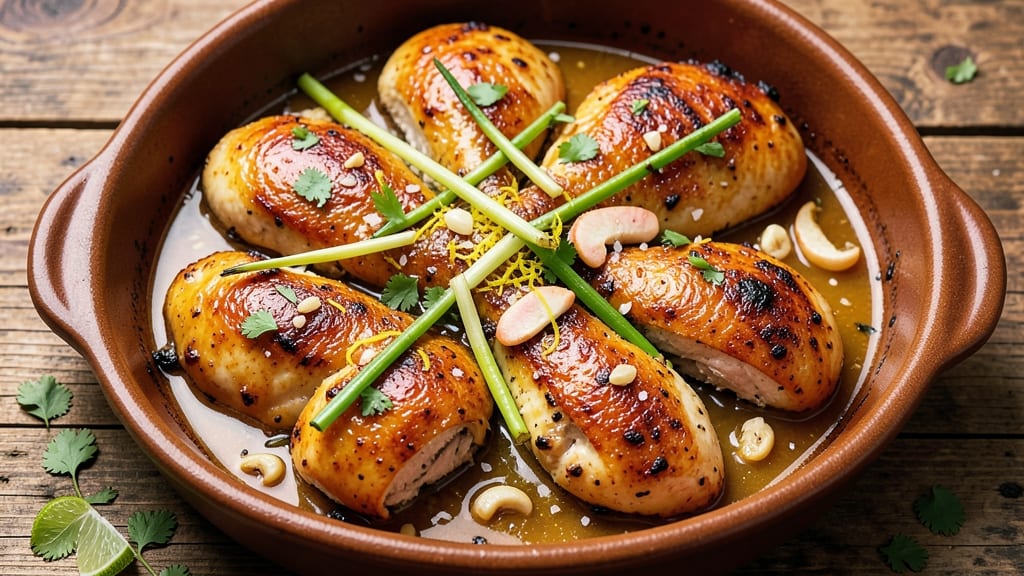
This baked lemongrass chicken recipe delivers restaurant-quality results with its fragrant herb crust and juicy centers—all while keeping prep simple for home cooks. The secret lies in balancing fresh lemongrass, garlic, and ginger for an aromatic marinade that infuses the chicken without overpowering its natural flavor.
I've perfected this method to ensure tender meat and a crispy crust that locks in all those bright, citrusy notes.
What sets this recipe apart is the marinating technique: letting the chicken soak for at least 30 minutes (or overnight for deeper flavor) allows the lemongrass to work its magic. The baking process is straightforward—just 45 minutes at 375°F—with minimal hands-on time, making it ideal for weeknight dinners.
The result is chicken that's impossibly tender inside with a golden, fragrant crust that's impossible to resist.
The beauty of this dish lies in its versatility. Serve it with steamed jasmine rice to soak up the flavorful juices, or pair it with a fresh cucumber salad for a lighter option.
The lemongrass aroma alone will transform your kitchen into a fragrant haven, while the dish itself delivers a perfect balance of zesty, savory, and umami flavors that everyone will love.
For an extra touch, garnish with fresh cilantro and a squeeze of lime before serving—it adds a pop of color and brightens the dish even further. This recipe proves that you don't need complicated techniques to create something extraordinary. Let's get started!
Ingredients for baked lemongrass chicken
Fresh lemongrass, garlic, and ginger create the aromatic marinade that makes this chicken unforgettable.
| Ingredient | Amount | Notes |
|---|---|---|
| Boneless, Skinless Chicken Thighs 🍗 | 1 ½ lb | Large even-sized pieces preferred |
| Fresh Lemongrass 🌿 | 1 stalk | White part only, finely minced |
| Garlic Cloves 🧄 | 6 cloves | Fresh, peeled and minced |
| Fresh Ginger 🌿 | 1 tbsp | Grated, not powdered |
| Fish Sauce 🍶 | 2 tbsp | Red Boat preferred for quality |
| Olive Oil 🫒 | ¼ cup | Extra-virgin for richness |
| Brown Sugar 🍚 | 2 tbsp | Light or dark variety |
| Lime Juice 🍋 | 2 tbsp | Freshly squeezed |
| All-Purpose Flour 🌾 | ½ cup | For coating |
| Salt 🧂 | 1 ½ tsp | Kosher or sea salt |
| Ground Black Pepper 🌶️ | 1 tsp | Freshly ground preferred |
| Fresh Cilantro 🌿 | ¼ cup | Chopped, for garnish |
| Jasmine Rice 🍚 | 1 ½ cups | Uncooked, for serving |
Lemongrass is the star here—look for plump, pale stalks with no brown spots at the market. Asian grocery stores usually have the freshest, but regular supermarkets often carry it too. If you can't find fresh, paste works in a pinch, but it won't have the same depth. The chicken thighs are key: bone-in, skin-on pieces stay juicier than breasts. Trader Joe's often has pre-cut thighs at a good price, but any butcher will trim them for you if you buy whole. For the fish sauce, Red Boat is the gold standard—it's worth the investment for that authentic umami punch.
No fresh lemongrass? Lime zest plus 1 tbsp grated ginger gives a similar brightness, though not identical. Running short on fish sauce? Soy sauce plus a pinch of sugar mimics the saltiness, but you'll lose that funky depth. The brown sugar can be swapped for white sugar or coconut sugar, though it'll caramelize differently. If you're prepping ahead, marinate the chicken for up to 24 hours—just keep it refrigerated. The flour coating is non-negotiable for that crispy crust, but if you're gluten-free, use almond flour instead. For the rice, jasmine is ideal, but basmati or even white rice will work in a pinch.
Marinated chicken keeps 3 days in the fridge, but flavor peaks after 24 hours. The cooked chicken reheats beautifully—just 10 minutes at 350°F with a splash of water to keep it moist. Store leftovers in an airtight container, and the crust stays crispy for 2 days. For the rice, cook a big batch—it pairs perfectly with the chicken and keeps 4 days in the fridge. Freeze portions of the chicken for up to 3 months, thawing overnight in the fridge before reheating.
Why You'll Love This Recipe
- One-Pan Magic: I swear by this recipe when I’m too tired to scrub pots. Toss the chicken thighs, minced lemongrass, garlic, and ginger right on a sheet pan—no bowls, no mess. The fish sauce ties everything together while you bake, so cleanup is just wiping one tray.
- Bright & Tangy: That first whiff of lemongrass and garlic roasting in the oven? It’s like a vacation in your kitchen. The fish sauce adds just enough umami to balance the citrusy sharpness, and the thighs stay juicy while the edges crisp—no dry chicken here.
- Meal Prep MVP: Between us, this is my go-to for busy weeks. Cook a big batch on Sunday, and you’ve got lunch or dinner covered for days. The flavors actually get better the next day—honestly, the leftovers disappear faster than the fresh batch.
- Budget-Friendly Protein: Chicken thighs are cheaper than breasts, and lemongrass lasts forever in the freezer. A few stalks stretch across multiple meals, and the fish sauce (a little goes a long way) makes this taste restaurant-worthy without breaking the bank. My wallet thanks me every time.
Step-by-step instructions for baked lemongrass chicken
Master this aromatic technique for perfectly juicy chicken with a fragrant herb crust every time.
Prepare the Lemongrass-Garlic Marinade
In a small bowl, combine the minced white part of the 1 stalk fresh lemongrass, 6 cloves minced garlic, 1 tablespoon grated ginger, 2 tablespoons fish sauce, 2 tablespoons brown sugar, and 2 tablespoons lime juice. Mix thoroughly until the sugar dissolves completely and the aromatics release their oils.
The sugar here serves two purposes: it caramelizes slightly during baking for depth of flavor, and it helps tenderize the chicken. Let this marinade sit at room temperature for 10 minutes while you prepare the chicken. This brief resting time allows the flavors to meld together before they penetrate the meat.
Coat the Chicken and Create the Herb Crust
Pat the 1.5 lb boneless, skinless chicken thighs completely dry with paper towels—this is crucial for achieving that crispy crust. In a separate bowl, mix 0.5 cup all-purpose flour, 1.5 teaspoons salt, and 1 teaspoon ground black pepper. Lightly dredge each chicken piece in this seasoned flour mixture, tapping off any excess.
Place the floured chicken on a wire rack set over a baking sheet. This rack method ensures even browning on all sides. Using your fingers, press the marinade mixture firmly onto each piece, coating it completely. The marinade will feel sticky at first, but it will set into a fragrant crust as it bakes. Let the coated chicken rest for 15 minutes at room temperature while the oven preheats.
Bake to Juicy Perfection
Preheat your oven to 375°F. While it heats, drizzle 0.25 cup olive oil evenly over the marinated chicken pieces. This oil creates a protective barrier that locks in moisture during baking. Transfer the baking sheet to the oven and bake for 30 minutes, then carefully flip each piece and bake for another 20-25 minutes until the internal temperature reaches 165°F and the crust is deep golden brown.
Here's the key: the chicken is done when it reaches 165°F internally AND the crust has developed a rich caramelized color. If you're unsure, make a small cut—juices should run clear, not pink. The lemon-herb aroma should fill your kitchen, signaling the flavors have melded perfectly. Let the chicken rest for 5 minutes before serving to allow the juices to redistribute.
Garnish and Serve with Jasmine Rice
While the chicken rests, cook the 1.5 cups jasmine rice according to package instructions—typically a 1:1.5 rice-to-water ratio that simmers for 15 minutes. Once cooked, fluff with a fork and keep warm.
To serve, sprinkle each piece of chicken generously with 0.25 cup chopped fresh cilantro. The bright green color contrasts beautifully with the golden crust, and the fresh herb adds a final layer of brightness to cut through the richness. Serve immediately with the jasmine rice alongside for a complete meal that balances aromatic flavors with tender, juicy chicken.
Pro Tips For Making Baked Lemongrass Chicken
- Pound the Lemongrass: Fresh lemongrass is stubborn—whack it hard against a cutting board with the flat side of a knife first to soften the fibers. This makes mincing it a breeze and ensures the flavor infuses properly into the chicken.
- Sear Before Baking: Skip the raw chicken straight into the oven. Pat the thighs dry, then sear them in a hot pan with oil for 2-3 minutes per side until golden. The crust locks in juices, and the aroma is worth the extra 5 minutes.
- Balance the Fish Sauce: Too much fish sauce makes this dish taste like a salty soup. Start with 1 tablespoon per pound of chicken, then taste the marinade before adding more—you can always adjust, but you can’t un-salt it.
- Use the Ginger Scrap: After grating the ginger, don’t toss the leftover root. Toss it into the marinade or even the baking dish—it’s packed with flavor and saves you from buying extra. (Yes, even the tough bits work.)
Troubleshooting your baked lemongrass chicken
Uneven Browning
If your chicken emerges from the oven with pale spots, it’s likely because the marinade didn’t adhere evenly or the oven temperature fluctuated. First, ensure your chicken pieces are similar in size—uneven thickness leads to inconsistent cooking.
Before baking, press the marinade firmly onto each piece, especially the edges, using your fingers or a spoon. For extra insurance, place the chicken on a wire rack over a baking sheet instead of directly on the pan. This allows heat to circulate evenly on all sides.
If your oven runs hot or cold, rotate the baking sheet halfway through cooking. 🌡️
Dry or Tough Chicken
Overcooking is the most common culprit for dry chicken. Use a meat thermometer to check the internal temperature—165°F is your target, no higher. If your chicken reaches this temperature but feels dry, the issue might be starting with bone-in, skin-on pieces instead of boneless thighs.
The bone and skin act as natural insulators, keeping the meat juicy. Also, avoid cutting into the chicken immediately after baking; let it rest for 5 minutes to allow juices to redistribute.
If you’re in a hurry, baste the chicken with 2 tablespoons of the pan juices halfway through baking to add moisture.
Lemongrass Flavor Missing
The lemongrass needs time to infuse the chicken properly. If your dish lacks that signature citrusy aroma, the marinade didn’t penetrate deeply enough. For best results, marinate the chicken for at least 30 minutes, but overnight is ideal.
If you’re short on time, slice the lemongrass stalk lengthwise and pound it lightly with the flat side of a knife to release more oils before mincing. Another trick? Add 1 teaspoon of lime zest to the marinade for an extra brightness boost.
Freshness matters—if your lemongrass smells musty or looks wilted, it’s past its prime. 🌿
Crust Too Soft
A soft crust usually means the flour coating didn’t crisp up enough. The key is a hot oven and proper prep. First, ensure your oven is fully preheated to 375°F—cold spots can prevent browning.
Second, pat the chicken completely dry before dredging in flour; any moisture will prevent the crust from forming. For extra crispiness, broil the chicken for 2-3 minutes at the end of cooking, keeping a close eye to avoid burning.
If your crust is still underwhelming, try brushing the chicken with a light egg wash before baking—this adds a subtle barrier that helps the crust set faster.
Fish Sauce Overpowering
Fish sauce can easily dominate if used too liberally. The recipe calls for 2 tablespoons, but if your kitchen smells like a seafood market, you’ve gone too far.
Balance the flavor by adding 1 extra tablespoon of brown sugar or 1 teaspoon of honey to the marinade to counteract the saltiness. For a milder taste, reduce the fish sauce to 1.5 tablespoons and add ½ teaspoon of sugar to compensate.
If you’re serving to guests who dislike strong fishy notes, pair the dish with a bright, acidic side like cucumber salad or a squeeze of lime at the table to cleanse the palate. 🍋
Nutrition facts
Frequently asked questions
Can I use chicken breasts instead of thighs?
Chicken breasts will work, but thighs are ideal for this recipe. Thighs stay juicier during baking because they have more fat and connective tissue. If using breasts, reduce baking time by 5-7 minutes (they cook faster) and consider brining them for 30 minutes beforehand to prevent dryness. The flavor will be similar, but the texture will be slightly less forgiving.
How do I substitute fresh lemongrass if I can't find it?
For a similar bright flavor, combine 1 tablespoon lime zest with 1 teaspoon grated ginger and ½ teaspoon ground coriander. While not identical, this trio creates a citrusy, aromatic profile. For deeper flavor, add 1 teaspoon of lemongrass paste (found in Asian markets) to the marinade. Avoid powdered lemongrass—it lacks the fresh, grassy notes.
Can I make this recipe ahead of time?
Marinate the chicken for up to 24 hours in the fridge for maximum flavor. For make-ahead baking, coat and refrigerate the chicken (unbaked) for 3 days. When ready to bake, let it sit at room temperature for 30 minutes before cooking. Leftovers reheat beautifully—cover with foil and warm at 350°F for 10 minutes with a splash of water to maintain moisture.
What's the best way to serve this dish?
This aromatic chicken pairs perfectly with jasmine rice or steamed basmati to soak up the flavorful juices. For a lighter option, serve with a mango-avocado salad or quick-pickled cucumbers. The bright acidity balances the richness. Garnish with fresh cilantro and lime wedges for an extra pop of color and freshness—it elevates the presentation and adds brightness.
Why does my chicken turn out dry?
Dry chicken usually means overcooking or improper prep. Always use a meat thermometer—165°F is perfect. For extra juiciness, try these fixes: 1) Pat the chicken completely dry before marinating, 2) Let it rest 5 minutes after baking, and 3) Avoid cutting into it immediately. If using breasts, brine them first or reduce oven temp to 350°F. The flour crust also helps lock in moisture—don't skip it!