
Sauces & Condiments
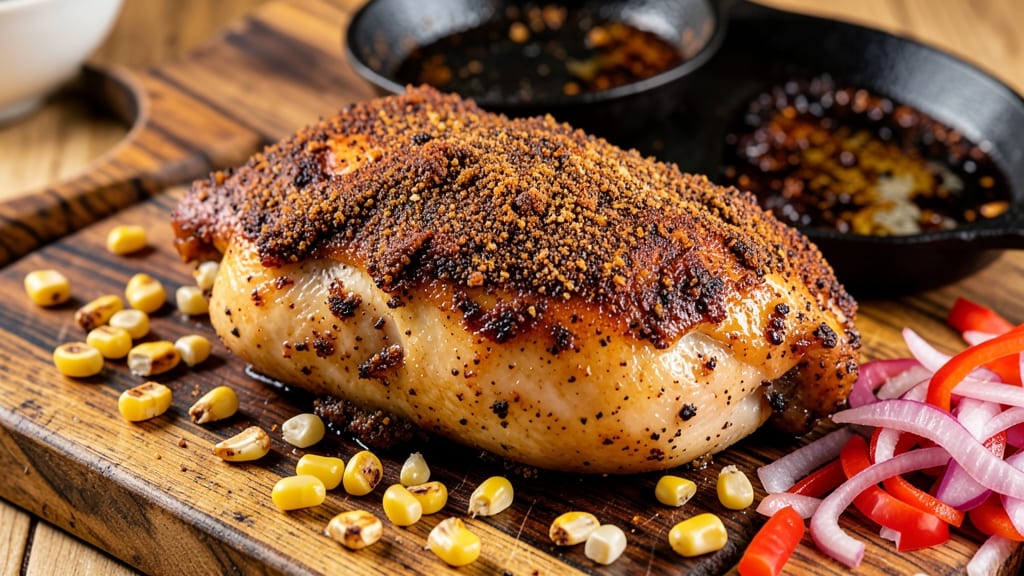
This beer-butt chicken rub recipe delivers that signature smoky-sweet flavor you crave on grilled chicken, without the hassle of mixing wet ingredients. ✨ The blend of brown sugar, smoked paprika, and chili powder creates a perfect balance that caramelizes beautifully on the grill, while a touch of garlic powder and onion powder adds depth that pairs perfectly with beer-marinated meats.
What makes this seasoning mix stand out is its simplicity—just six core ingredients that come together in minutes to create a professional-quality rub you can store for months.
The brown sugar isn’t just for sweetness; it helps develop that signature beer-butt crust when grilled, while the cayenne adds just enough heat to keep things interesting.
This dry blend is designed to elevate any grilled chicken dish, from wings to whole birds, transforming simple protein into something restaurant-worthy. The spices are measured precisely so you can scale the recipe up or down without sacrificing flavor—ideal for meal prep or spontaneous cookouts.
Once mixed, store it in an airtight container for up to six months, ready to transform your next grilling session into a flavor-packed experience. The key to success?
Applying it generously and letting it sit on the chicken for at least 30 minutes before cooking—this ensures maximum flavor penetration and that coveted caramelized crust.
Ingredients for beer butt chicken rub
Six essential ingredients transform into a professional-grade rub for beer-butt flavor perfection.
| Ingredient | Amount | Notes |
|---|---|---|
| Light Brown Sugar 🍚 | ½ cup | Packed for accurate measurement |
| Smoked Paprika 🌶️ | 2 tbsp | High-quality for authentic smokiness |
| Chili Powder 🌶️ | 1 ½ tbsp | Medium heat preferred |
| Garlic Powder 🧄 | 1 tbsp | Freshly ground preferred |
| Onion Powder 🧅 | 1 tbsp | Fine grind for even distribution |
| Cayenne Pepper 🔥 | ½ tbsp | Adjust for desired heat level |
| Diamond Crystal Kosher Salt 🧂 | 1 ½ tsp | Coarse grain preferred |
The brown sugar is the foundation—light brown sugar provides the right balance of caramelization without overpowering. Penzeys or bulk bins at specialty stores offer the highest quality smoked paprika, but even the regular grocery store variety works if it's fresh (no musty aroma). Cayenne can vary wildly in heat, so test a pinch first if you're sensitive to spice. Garlic and onion powders should be freshly ground if possible—pre-ground spices lose potency quickly. For the salt, Diamond Crystal kosher salt is ideal due to its coarse texture, but any kosher salt will work in a pinch.
No smoked paprika? Substitute a mix of regular paprika and a pinch of liquid smoke—about 1/4 tsp per tablespoon of paprika. Running low on cayenne? Red pepper flakes at half the amount will give you a similar kick. The brown sugar can be swapped for turbinado sugar if you prefer a less refined texture, though it won't caramelize as dramatically. For a deeper beer flavor, add 1/2 tsp of brewers yeast (found in the baking aisle)—it's a pro trick. Store-bought rubs often contain fillers like anti-caking agents; this blend is pure spice and sugar for maximum impact.
This mix stays potent for up to six months when stored in an airtight container away from light. For long-term storage, glass jars with silicone seals are ideal—they prevent moisture absorption. Divide into smaller batches if you won't use it all at once; one-ounce portions are perfect for single uses. The rub can be applied directly to chicken or mixed with a small amount of oil for better adhesion. For wings, use roughly 1 tbsp per pound of chicken—generous but not wasteful.
Why You'll Love This Recipe
- Foolproof Mixing: I swear by this combo—just toss the spices together in a bowl, no fancy ratios to memorize. That light brown sugar caramelizes beautifully while the smoked paprika adds depth without overpowering.
- Sweet-Spicy Magic: The chili powder and garlic powder give it a kick, but the brown sugar keeps it from being too intense. Honestly, it’s the perfect balance—sweet enough to satisfy, spicy enough to linger.
- Tailgate Ready: Between us, this rub is my go-to for game days or backyard hangs. Slap it on wings, thighs, or even chicken sausages—it’s that versatile, and the leftovers? Still delicious the next day.
- Pantry Staple Power: No weird ingredients here—just spices you already own plus sugar. I’ll be real: it’s my budget-friendly secret weapon for when I want restaurant-quality flavor without the price tag.
Step-by-step instructions for crafting the perfect beer-butt chicken rub
This smoky-sweet blend delivers deep flavor penetration and a perfect crust every time.
👨🍳 Step 1: Measure and Combine Dry Ingredients Precisely
Start by placing all ingredients in a medium bowl to ensure even distribution. Add the 0.5 cup light brown sugar first—pack it firmly to prevent settling during storage. This sugar forms the sweet base that caramelizes beautifully on the grill.
Next, add the 2 tablespoons smoked paprika and 1.5 tablespoons chili powder. These two ingredients create the signature smoky depth and subtle heat that define beer-butt chicken. Use a whisk to break up any clumps in the smoked paprika, which can form when exposed to moisture.
Add the remaining dry components: 1 tablespoon garlic powder, 1 tablespoon onion powder, 0.5 tablespoon cayenne pepper, and finally the 1.5 teaspoons diamond crystal kosher salt. The salt should be distributed evenly—this prevents any single area from becoming overly salty.
🥘 Step 2: Mix Thoroughly Until Uniform
Use a fork or small whisk to combine all ingredients until you achieve a completely homogeneous blend. You should see no visible streaks of individual spices—this ensures every application delivers consistent flavor. The mixture should appear dark brown with visible red flecks from the cayenne and chili powder.
Here's the thing—proper mixing matters. If you rush this step, you risk uneven flavor distribution, which can lead to bland spots on your chicken. Take your time to break up any remaining clumps, especially in the light brown sugar.
Once fully combined, the rub should have a slightly gritty texture from the spices and a fine, powdery consistency from the sugar. This texture is ideal for adhering to chicken skin and creating that coveted bark during grilling.
⏰ Step 3: Test and Adjust for Heat Balance
Before using, taste a small amount of the rub on your fingertip. You should detect a prominent smoky aroma from the paprika, a sweet caramel note from the brown sugar, and a subtle but distinct heat from the cayenne. This balance is what makes this rub special.
If you find the heat level insufficient, add an extra pinch of cayenne pepper (up to 0.25 tablespoon total). Conversely, if the sweetness dominates, you can reduce the brown sugar slightly in future batches. Remember, these adjustments should be made gradually to maintain the overall harmony.
Transfer the finished rub to an airtight container. Store it in a cool, dark place for up to 3 months, or refrigerate for extended freshness. The spices will mellow slightly over time, deepening the flavor profile.
Pro Tips For Making Beer Butt Chicken Rub
- CRUSH THE SUGAR: Light brown sugar clumps like a stubborn guest at a party. Break it down with a rolling pin or pulse it in a food processor—no need to go fine, just coarse enough to distribute evenly. I used to skip this and end up with pockets of sweetness instead of a consistent flavor.
- SALT THE CHICKEN FIRST: Toss the raw chicken with a pinch of salt and let it sit uncovered in the fridge for 30 minutes. This draws out moisture, so the rub sticks better and the skin crisps up like it’s supposed to. Sounds weird, but it works—trust me, I’ve seen the difference.
- WATCH THE HEAT: Smoked paprika burns faster than you’d think. Start the chicken over medium heat until it’s seared, then dial it down to medium-low. High heat early = bitter rub, not smoky depth. I learned this the hard way after a batch tasted like a campfire mishap.
- MIX THE RUB DRY: No oil, no butter—just the spices and sugar. Adding fat to the rub makes it clump and slide off the chicken. Keep it powdery, pat it on thick, and let the chicken’s natural oils do the work. (Yes, even if you’re impatient like me.)
Creative variations of these flavors
Beer-Inspired Variations
For a deeper beer flavor profile, add ½ teaspoon of brewers yeast (found in the baking aisle) to the base rub. This ingredient adds a malty depth reminiscent of dark beers like stouts or porters.
I've found that 1 teaspoon of malt powder works well too—it's available in craft beer supply stores or online. These additions elevate the rub to new heights when paired with chicken marinated in beer. 🍺
Spicy Kick Options
If you love heat, swap the cayenne for ½ teaspoon of chipotle powder for smoky heat or ½ teaspoon of crushed red pepper flakes for a brighter kick.
For a balanced medium heat, try ½ teaspoon of gochugaru (Korean red pepper flakes)—it adds a fruity, slightly sweet heat that pairs beautifully with the smoky notes. Always taste before applying to avoid overpowering the dish.
Sweet-Smoky Fusion
For a sweeter profile, replace half the brown sugar with ¼ cup of maple syrup powder—it dissolves easily and adds complex caramel notes. I've also had success using ½ teaspoon of cinnamon to complement the smokiness, creating a rub that works beautifully on chicken thighs or drumsticks.
This variation feels especially festive for fall gatherings.
Herb-Infused Twist
Add 1 teaspoon of dried thyme or 1 teaspoon of dried rosemary for an herbal depth that pairs perfectly with beer flavors. Fresh herbs like chopped parsley or cilantro can be mixed in just before applying for a vibrant finish.
These additions work especially well with grilled chicken breasts or skewers. 🌿
Regional Adaptations
For a Carolina-style twist, add ½ teaspoon of mustard powder to the rub—it enhances the smoky-sweet balance and adds a tangy note. In Texas-style versions, I've seen ½ teaspoon of ground coriander used to complement the chili and paprika.
These regional tweaks can transform your rub into a signature style that reflects your local flavor preferences.
Storage Hacks
For long-term storage, divide the rub into 1-ounce portions in small airtight containers. This prevents moisture absorption and keeps the spices fresh. I like using glass spice jars with silicone seals for maximum freshness.
If you notice the rub losing potency after 3 months, simply revive it by adding ½ teaspoon of fresh garlic powder before using. 💡
Nutrition facts
Frequently asked questions
Can I use this rub on meats other than chicken?
This smoky-sweet blend works beautifully on pork shoulder, ribs, or even salmon. For pork, use 1.5 tablespoons per pound to create a thick, flavorful bark. For fish, reduce to 1 tablespoon per pound to avoid overpowering the delicate flavor. The sugar content makes it ideal for grilling or roasting any protein.
How do I adjust the heat level in this recipe?
Start with the base recipe, then adjust gradually. For mild heat, reduce cayenne to 0.25 teaspoon. For medium heat, keep it at 0.5 teaspoon. For spicy, increase to 1 teaspoon or swap cayenne for chipotle powder. Always taste before applying to avoid surprises!
Why does my rub clump when stored?
Clumping happens when moisture gets in. Store your rub in an airtight glass container with a silicone seal to block humidity. If clumps form, break them up with a fork before using. For extra protection, add a dry silica packet (like those in shoe boxes) to absorb moisture.
Can I make this rub without smoked paprika?
Yes! Mix 1 tablespoon regular paprika with ¼ teaspoon liquid smoke for a similar effect. For deeper flavor, add ½ teaspoon of coffee grounds (toasted for extra richness). The result won't be identical, but it'll still deliver that signature smoky-sweet profile.
How much rub should I use for chicken wings?
For 2 pounds of wings, use about 2 tablespoons of rub. Apply generously to all sides, then let sit for 30-60 minutes before grilling. The sugar will caramelize beautifully, creating that perfect crispy crust. For extra stickiness, mix the rub with 1 teaspoon of oil before applying.