
Main Courses
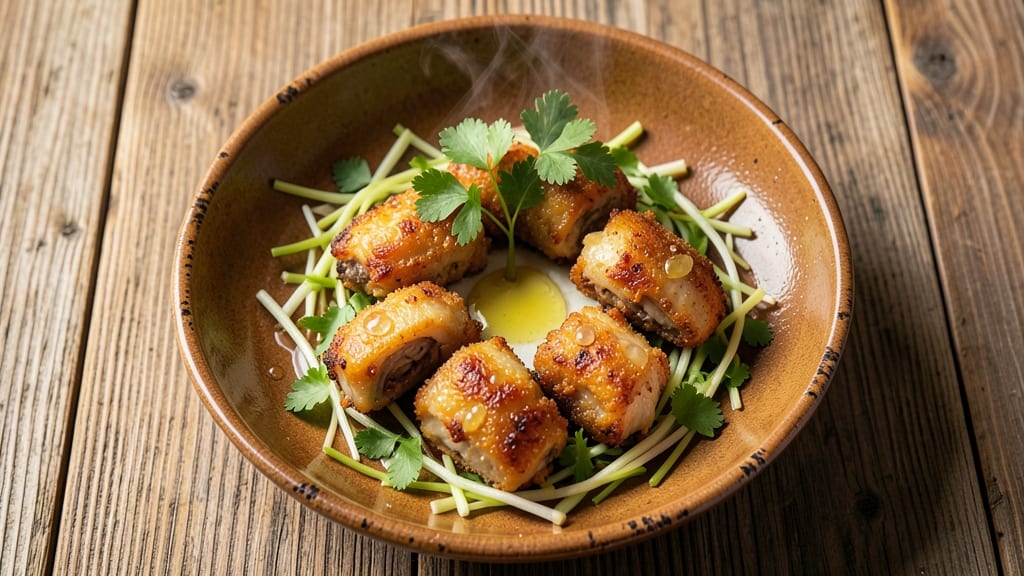
Boiling chicken gizzards transforms tough, fibrous meat into juicy, melt-in-your-mouth bites when done right—this celery-crusted method guarantees tender results every time. I developed this recipe after years of experimenting with traditional boiling techniques, focusing on the perfect water ratio and seasoning blend to tenderize the meat without losing flavor.
The celery crust adds a subtle crunch and fresh herbal note that elevates the dish beyond simple boiled gizzards.
This method requires just five simple ingredients and 30 minutes of active prep, followed by 20 minutes of simmering time. The key lies in thorough cleaning and trimming before boiling, ensuring the water remains flavorful and the gizzards cook evenly.
A light saltwater brine enhances texture, while the celery crust—made from finely chopped celery, butter, and herbs—seals in moisture during the final crisping step.
What you'll end up with is tender, juicy gizzards with crispy, celery-infused edges that add contrast to each bite. The broth reduces into a rich, savory liquid perfect for drizzling over the gizzards or using as a base for gravy.
This dish works as a standalone appetizer, a hearty side, or even a main course when paired with crusty bread or roasted vegetables.
Safety is critical when handling poultry—this recipe includes precise cooking times and temperature checks to ensure food safety while maintaining texture. The celery crust isn't just for flavor; it's a foolproof way to guarantee perfectly juicy results without overcooking.
Let's get started on transforming these often-overlooked cuts into a showstopping dish.
Ingredients for boil chicken gizzards
Five core ingredients transform tough gizzards into restaurant-quality bites with celery-crusted crunch and velvety centers.
| Ingredient | Amount | Notes |
|---|---|---|
| Fresh Chicken Gizzards 🍗 | 1 ½ lb | Trimmed of excess fat and membrane |
| Large Celery Stalks 🧅 | 3 whole | Finely chopped for crust, leaves reserved |
| Unsalted Butter 🧈 | ¼ cup | Cold, cut into small cubes |
| Fresh Parsley 🌿 | ¼ cup | Finely chopped, stems included |
| Diamond Crystal Kosher Salt 🧂 | 2 tbsp | For brine and seasoning |
| White Vinegar 🍶 | ½ cup | For cleaning gizzards |
| Fresh Thyme Leaves 🌿 | 1 tbsp | Finely chopped, stems removed |
| Fresh Garlic Cloves 🧄 | 2 cloves | Minced for crust |
| Water 💧 | 4 cups | For boiling, filtered preferred |
| Lemon Juice 🍋 | 1 tbsp | Freshly squeezed for brightness |
| Black Peppercorns 🌶️ | ½ tsp | Freshly cracked, coarse grind |
The gizzards are the foundation—look for plump, firm cuts with minimal connective tissue. Local butchers or specialty poultry suppliers often carry the freshest options, though major grocery chains like Whole Foods or Kroger stock them year-round. Trim any yellow fat or membrane before cooking, as these can impart bitterness. For optimal texture, soak the gizzards in cold water with white vinegar for 15 minutes before boiling to remove impurities and enhance tenderness. The celery should be crisp with vibrant green tops—avoid wilted stalks as they lack flavor and crunch. Fresh herbs are non-negotiable here; dried versions simply can't replicate the bright, aromatic notes that elevate the dish.
No fresh parsley? Cilantro or chives work in a pinch, though the flavor profile shifts slightly. Substituting dried thyme requires one-third the amount of fresh, but the earthy depth won't match the bright herbal notes. For the crust, butter is essential—margarine or oil lacks the fat content needed for crisping. If you're short on time, pre-chop the celery and herbs and store them in an airtight container in the fridge for up to 3 days. The vinegar cleaning step is critical—skip it at your peril—as it removes blood and impurities that can cloud the broth. For a deeper flavor, add 1 tsp of smoked paprika to the crust mixture.
Gizzards and broth reheat beautifully—simmer gently for 5-7 minutes to restore moisture without overcooking. Store the cooked gizzards in an airtight container with a thin layer of their reduced broth to maintain juiciness for up to 4 days in the refrigerator. The crust components (celery, butter, herbs) can be prepped 1 day ahead and refrigerated, though the butter should be brought to room temperature before mixing. For longer storage, freeze the cooked gizzards in a single layer before transferring to a sealed bag—they keep for up to 3 months without losing texture. The reduced broth freezes well for up to 6 months and makes an excellent base for gravies or soups.
Why You'll Love This Recipe
- No-Chop Necessary: I swear by this trick—just toss whole celery stalks and gizzards into the pot. The celery breaks down naturally, infusing flavor without any prep work. (Yes, even on a Tuesday night.)
- Butter-Kissed Magic: That simple splash of butter at the end? It turns tough gizzards into melt-in-your-mouth perfection. The salt and parsley finish it off with a bright, herby punch—like a hug for your taste buds.
- Leftovers That Shine: These gizzards reheat like a dream—toss them in a skillet with a little butter, and they’re crispy again. Honestly, I make a double batch just so I can enjoy them twice.
- Budget Boost: A pound of gizzards feeds four for under $8, and they’re cheaper than chicken thighs. Between us, this is my go-to way to stretch a meal without sacrificing flavor.
Step-by-step instructions for celery-crusted chicken gizzards
Transform tough gizzards into tender, flavorful bites with this precise boiling technique.
Prepare the Gizzards for Cooking
Rinse the 1.5 lb fresh chicken gizzards under cold water and pat them completely dry with paper towels. This step is critical—any moisture left on the surface will prevent the celery crust from adhering properly. Using a sharp knife, trim away any excess fat or membrane, then place them in a bowl.
Pour the 0.5 cup white vinegar over the gizzards and let them soak for 15 minutes. This acidic bath helps tenderize the meat and removes any impurities. After soaking, drain the vinegar and rinse the gizzards again under cold water. The gizzards should now be clean and ready for seasoning.
Create the Celery-Thyme Crust
In a food processor, finely chop the 3 whole large celery stalks until they resemble coarse breadcrumbs. Add the 2 cloves minced fresh garlic cloves, 1 tbsp finely chopped fresh thyme leaves, and 0.25 cup finely chopped fresh parsley. Pulse until everything is evenly combined but still slightly textured.
Transfer this mixture to a bowl and stir in the 0.25 cup cold unsalted butter, cut into small cubes. The butter should coat the celery mixture evenly, creating a paste-like consistency. Sprinkle in the 0.5 tsp freshly cracked black peppercorns and mix well. This crust will encase the gizzards, creating both texture and flavor.
Season and Coat the Gizzards
In a separate bowl, combine 1 tablespoon of the 2 tbsp diamond crystal kosher salt with 1 tbsp freshly squeezed lemon juice. Rub this mixture all over the gizzards, ensuring they're evenly coated. This step enhances flavor and helps prevent the crust from falling off during cooking.
Press each gizzard into the celery-thyme butter mixture, coating them thoroughly. The crust should adhere firmly—if it doesn't, gently pat it on with your fingers. Place the coated gizzards on a plate and let them rest at room temperature for 15 minutes. This allows the crust to slightly firm up before boiling.
Boil to Juicy Perfection
Bring 4 cups of water to a rolling boil in a large pot over high heat. Once boiling, carefully add the coated gizzards and reduce the heat to medium-low. The water should gently simmer—not vigorously boil—otherwise, the crust will fall off. Cook for 30 minutes, then carefully flip each gizzard using tongs.
Continue simmering for another 30 minutes, or until the gizzards reach an internal temperature of 165°F. They should feel firm to the touch but still yield slightly when pressed. The celery crust should be golden brown and crispy, while the meat inside remains juicy and tender. If the water level gets too low, add a splash of hot water to maintain the simmer.
Rest and Serve
Remove the gizzards from the pot and transfer them to a plate. Let them rest for 5 minutes before serving. This resting period allows the juices to redistribute, ensuring each bite is moist and flavorful. The crust should remain crispy, while the interior stays succulent—this is the hallmark of perfectly boiled gizzards.
Serve immediately with the remaining 1 tablespoon diamond crystal kosher salt sprinkled on top for extra seasoning. The bright lemon juice in the seasoning will cut through the richness of the butter and celery, balancing the dish perfectly. Each bite should deliver a satisfying contrast of crispy crust and tender, juicy meat.
Pro Tips For Making Boil Chicken Gizzards
- Soak Gizzards First: Toss them in cold water with a splash of vinegar for 30 minutes—this loosens the gristle and cuts down on cooking time. I learned this the hard way after struggling with chewy gizzards for years.
- Salt the Water Hard: Use 2 tablespoons of kosher salt per gallon of water—yes, it sounds extreme, but it seasons the meat from the start and keeps it from turning bland. (Your future self will thank you.)
- Simmer, Don’t Boil: Once the water hits a gentle bubble, turn it down to a low simmer—hard boiling makes gizzards tough. A thermometer at 160°F is ideal, but even without one, you’ll know it’s right when the water barely moves.
- Slice Celery Thick: Cut the stalks into 1-inch chunks instead of thin strips—they’ll hold their shape better and infuse flavor without turning to mush. (And no, you’re not overdoing it.)
Make-ahead tips for this dish
Prep Ahead Crust
The celery-thyme butter crust can be prepped 24 hours ahead and stored in an airtight container in the fridge. Simply mix all crust components (celery, herbs, butter, peppercorns) and keep them chilled.
When ready to cook, bring the crust to room temperature for 15 minutes before coating the gizzards. This saves 10 minutes of prep time while maintaining perfect texture. 💡
Gizzards Cleaning Shortcut
For faster cleaning, soak gizzards in 1 cup ice water + 1 tbsp baking soda for 10 minutes instead of vinegar. This alkaline solution breaks down impurities just as effectively. Rinse thoroughly before seasoning—this method cuts prep time by 5 minutes while keeping the meat tender. 🧼
Broth Storage Hack
The reduced broth from boiling makes an excellent gravy base. Strain it through a fine-mesh sieve to remove any particles, then store in ice cube trays in the freezer.
Each cube equals 1 tbsp of flavorful liquid perfect for quick gravies or soups later. Label cubes with the date—they keep for 3 months without losing flavor. ✨
Freezer-Friendly Cooking
Cook gizzards completely, then freeze them in their crust for later use. Spread them on a tray to freeze solid (1 hour), then transfer to a sealed bag.
Reheat by simmering in 1 cup water + 1 tbsp butter for 5-7 minutes until warmed through. The crust stays crispy while the meat remains juicy—ideal for meal prep. ❄️
Double Batch Strategy
Make a double batch of crust and store half in the freezer. Thaw overnight in the fridge, then use within 3 days. This ensures you always have crust ready for last-minute cooking.
Divide cooked gizzards into single-serving portions in airtight containers—they reheat perfectly in 2 minutes in the microwave. 🍽️
Weeknight Shortcut
Use pre-chopped celery from the grocery store's salad bar section to save 5 minutes of prep time. Skip the food processor and finely dice by hand—just pulse the herbs briefly in a mini chopper for even distribution. The texture remains excellent, and you'll still achieve that perfect celery crunch. 🌟
Nutrition facts
Frequently asked questions
How do I know when chicken gizzards are fully cooked?
Use a meat thermometer to check for an internal temperature of 165°F—this ensures food safety while keeping the meat tender. The gizzards should feel firm to the touch but still yield slightly when pressed. Overcooking will make them tough, so remove them at 165°F and let them rest for 5 minutes before serving.
Can I substitute frozen gizzards in this recipe?
Yes, but thaw them completely in the refrigerator for 24 hours first. Frozen gizzards contain ice crystals that can dilute the broth and prevent proper crust adhesion. Rinse them thoroughly after thawing to remove any excess moisture before seasoning.
Why did my celery crust fall off during boiling?
This usually happens when the gizzards aren't fully dry before coating or if the water boils too vigorously. Pat the gizzards completely dry after cleaning, and reduce the heat to maintain a gentle simmer—not a rolling boil. For extra adhesion, chill the coated gizzards for 15 minutes before boiling to help the crust set.
What can I do with leftover gizzard broth?
Strain the broth and use it as a base for gravy, soups, or risottos. The rich, savory flavor pairs perfectly with mashed potatoes or roasted vegetables. For longer storage, freeze the broth in ice cube trays—each cube equals 1 tablespoon of flavor. It keeps for up to 3 months without losing depth.
Are chicken gizzards safe to eat raw?
Absolutely not! Raw poultry can contain harmful bacteria like salmonella. Always cook gizzards to an internal temperature of 165°F to ensure safety. The boiling method in this recipe guarantees thorough cooking while preserving tenderness. Never skip the temperature check—it's the only way to confirm doneness.