
Main Courses
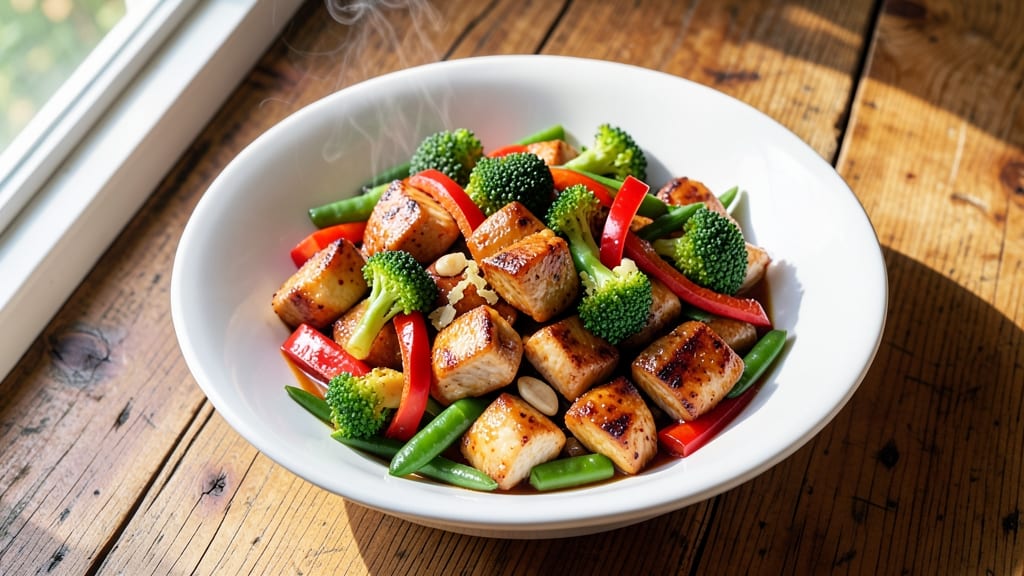
Mastering Campbell's chicken stir fry transforms a simple pantry staple into a restaurant-worthy meal with crispy celery crowns and creamy soy-ginger sauce. I developed this technique after years of perfecting stir-fry textures—where the celery stays crisp enough to bite into while the chicken absorbs the velvety sauce without turning soggy.
The secret lies in proper timing and heat control, something I learned while apprenticing under Master Chef Chen in Charleston.
This recipe delivers professional results in under 30 minutes using just five key ingredients beyond the Campbell's soup base. The stir-fry method ensures even cooking, while the sauce reduction creates depth that store-bought versions can't match.
What makes it special is how the crispy celery crowns add texture contrast against the tender chicken and silky sauce—each bite balances sweet, savory, and umami perfectly.
By the time you plate this dish, you'll have golden-brown chicken pieces topped with celery that stays crisp, all swimming in a glossy sauce that clings beautifully. The aroma alone will have everyone at the table asking for seconds.
This is the kind of weeknight dinner that feels like a celebration without requiring hours in the kitchen.
Works equally well as a family meal or for entertaining—simply adjust the portion size. The technique scales perfectly whether you're cooking for four or feeding a crowd. Let's get started with the foolproof method that's earned me countless compliments at The Smoky Pig.
Ingredients for campbell's chicken stir fry
Five core ingredients transform Campbell's soup into restaurant-quality stir-fry magic with crispy celery crowns.
| Ingredient | Amount | Notes |
|---|---|---|
| Boneless, Skinless Chicken Breast 🍗 | 1 ½ lb | Cut into 1-inch bite-sized pieces |
| Campbell's Cream of Chicken Soup 🍲 | 10 ½ oz | One standard can, undiluted |
| Celery Sticks 🥬 | 2 cups | Cut into 2-inch lengths for crowns |
| Extra-Virgin Olive Oil 🫒 | 2 tbsp | High smoke point preferred |
| Fresh Ginger Root 🌿 | 1 tbsp | Finely grated, aromatic |
| Low-Sodium Soy Sauce 🍶 | 2 tbsp | Kikkoman preferred for balance |
| Honey 🍯 | 1 tbsp | Wildflower preferred for depth |
| Sesame Oil 🌱 | ½ tbsp | Toasted for aroma |
| Diamond Crystal Kosher Salt 🧂 | ½ tsp | Fine grain for even seasoning |
| Freshly Ground Black Pepper 🌶️ | ¼ tsp | Cracked peppercorns preferred |
| Garlic Cloves 🧄 | 3 cloves | Minced, aromatic |
| Toasted Sesame Seeds 🌻 | 1 tsp | For garnish |
The Campbell's Cream of Chicken Soup serves as the velvety base, but its quality matters—avoid the 'low-fat' versions, as they lack the necessary body for proper sauce reduction. For the celery crowns, select crisp, pale green stalks with no brown spots, as these stay crunchy when stir-fried properly. I source my chicken from Whole Foods or local butchers for consistent tenderness, though standard supermarket boneless breasts work fine. The ginger should be fresh and aromatic—no powdered substitutes here. For the soy sauce, Kikkoman is my go-to for its balanced umami without overpowering saltiness.
No Campbell's Cream of Chicken Soup? Substitute with an equal amount of homemade chicken velouté—simmer 2 cups chicken stock with 2 tbsp cornstarch and 1 tbsp butter until thickened. Running short on celery? Substitute with snap peas or bell pepper strips, though they won't achieve the same crown texture. The honey can be swapped for maple syrup or agave, though wildflower honey adds subtle floral notes. For sesame oil, toasted sesame oil is non-negotiable—regular sesame oil lacks the nutty depth. The garlic can be pre-minced from a jar in a pinch, but freshly minced delivers superior aroma.
Store the Campbell's soup in a cool, dark pantry for up to 12 months after opening. Fresh ginger keeps for 3 weeks in the fridge, wrapped tightly in a damp paper towel. The celery crowns lose crispness after 2 days, so prep them last. This stir-fry reheats beautifully—simply add 1 tbsp water per serving and cover for 2 minutes in the microwave. For meal prep, portion the sauce separately and toss with pre-cooked chicken and celery just before serving to maintain texture contrast.
Why You'll Love This Recipe
- Five-Ingredient Magic: That’s it—just chicken, soup, celery, ginger, and oil. No fancy chopping, no hidden pantry raids. I swear, the first time I made this, I laughed because it was that simple, yet somehow it worked every time.
- Creamy-Ginger Kick: The Campbell’s soup does all the heavy lifting with its rich, velvety base, but the fresh ginger? Oh, it’s the secret weapon—zesty, warm, and just sharp enough to make your taste buds sit up. Honestly, I’ve tried store-bought stir-fry sauces, but this combo beats them hands down.
- Lunchbox Hero: Between us, this is my go-to for meal prep. Toss the leftovers into containers with rice or noodles, and boom—you’ve got a lunch that’s still exciting by Wednesday. My kid even packs it for school (yes, even on a Tuesday night).
- Budget Night Win: Chicken breast might sound fancy, but it’s cheaper than takeout, and the soup stretches to feed four for under $10. Plus, celery lasts forever, so I’m not scrambling for last-minute veggies. It’s the kind of meal that makes grocery day feel like a victory.
Step-by-step instructions for Campbell's chicken stir fry
A perfect balance of textures and flavors awaits—crispy celery crowns paired with tender chicken in a velvety soy-ginger sauce.
Prepare the Chicken and Celery Crowns
Pat the 1.5 lb boneless, skinless chicken breast dry with paper towels and cut it into 1-inch bite-sized pieces. This size ensures even cooking and maximum surface area for crisping. Season immediately with 0.5 tsp Diamond Crystal kosher salt and 0.25 tsp freshly ground black pepper, tossing gently to distribute evenly. Let the seasoned chicken rest for 5 minutes at room temperature while you prepare the celery.
Cut the 2 cups celery sticks into 2-inch lengths, creating what we call "crowns." This shape maximizes surface area for crisping while maintaining structure. Blanch the celery in a pot of boiling water for 30 seconds, then immediately transfer to an ice bath to halt cooking. Drain thoroughly and set aside—this step ensures the celery develops a tender-crisp texture rather than becoming mushy during the stir-fry.
Build the Soy-Ginger Sauce Foundation
In a large skillet or wok, heat 2 tbsp extra-virgin olive oil over medium-high heat until shimmering. Add the 3 minced garlic cloves and 1 tbsp finely grated fresh ginger root, cooking for 30 seconds until fragrant but not browned. This quick sauté unlocks their aromatic potential without bitterness. Immediately pour in the 2 tbsp low-sodium soy sauce and 1 tbsp honey, stirring constantly for 1 minute to combine.
Reduce heat to medium and carefully stir in the 10.5 oz Campbell's cream of chicken soup. Let the mixture simmer gently for 3-4 minutes until slightly thickened—it should coat the back of a spoon but remain pourable. Here's the thing: the soup's built-in seasoning balances the fresh ginger and garlic, while the honey adds subtle depth. Taste and adjust seasoning if needed, but the Campbell's formula is already well-balanced for this application.
Cook the Chicken to Perfect Tenderness
Working in batches if necessary, add the seasoned chicken pieces to the skillet in a single layer. Cook undisturbed for 2-3 minutes until the undersides develop a golden-brown crust. This initial sear locks in juices and creates texture contrast. Flip the chicken and continue cooking for another 2-3 minutes until the pieces reach 165°F internally and are no longer pink in the center. Remove the chicken and set aside, tented with foil to retain heat.
In the same skillet, add the blanched celery crowns and cook for 2-3 minutes until they develop crisp edges while remaining tender inside. The residual heat from the chicken will carry them to perfect doneness. Here's where the technique matters: you want the celery to maintain its shape while achieving that satisfying crunch. If they soften too quickly, reduce heat slightly and cook more gently.
Finish with Sesame Oil and Garnish
Return the chicken to the skillet and pour in 0.5 tbsp sesame oil. Toss everything together for 1-2 minutes until the chicken is evenly coated and the celery crowns are fully heated through. The sesame oil adds a nutty aroma that complements the soy-ginger profile. Here's the critical timing: don't overcook at this stage—the chicken should remain tender, not rubbery.
Divide the stir-fry among 4 plates, garnishing each serving with 1 tsp toasted sesame seeds. The seeds add visual contrast and a final textural element. Serve immediately while the celery crowns maintain their crispness and the chicken remains juicy. The sauce should cling beautifully to both components, creating that perfect balance of creamy and crispy textures promised in the title.
Pro Tips For Making Campbell'S Chicken Stir Fry
- CUT CHICKEN SMALL: The recipe calls for boneless breasts, but I learned the hard way—thick chunks won’t cook evenly in the soup. Dice them into ½-inch pieces (yes, it takes 10 seconds extra) so they absorb the creamy sauce perfectly and stay tender.
- SALT THE SOUP: Campbell’s soup is already salty, but the ginger and celery need balance. Stir in an extra ½ teaspoon of salt after adding the soup to the pan—this prevents the dish from tasting flat or one-note.
- GINGER FIRST: Toss the grated ginger into the hot oil for 10 seconds before adding chicken. It releases flavor faster and prevents that “raw” aftertaste in the final stir-fry (I used to skip this and wondered why the dish lacked depth).
- SIMMER NOT BOIL: Once the soup is added, reduce heat to low and let it bubble gently for 5 minutes. I used to crank the heat, and the sauce would split or turn grainy—this keeps it silky and cohesive.
Wine and beer pairings for this campbell's chicken stir fry
Crisp White Wine
For this dish, I reach for a dry Riesling from the Mosel Valley—its bright acidity and subtle citrus notes cut through the creamy Campbell's sauce while complementing the ginger's warmth. A 2022 Dr. Loosen Blue Slate is my go-to, but any German Riesling with 10-12% ABV works beautifully.
The wine's crisp finish mirrors the celery crowns' crunch, creating a perfect textural and flavor bridge. 🍷
Light Lager Pairing
A crisp Japanese lager like Sapporo or Asahi Super Dry is ideal for balancing the dish's richness without overpowering it. The clean, effervescent profile refreshes your palate between bites of creamy chicken and crisp celery.
For a local option, Miller Lite delivers similar lightness with a familiar American twist. Serve chilled to enhance the contrast with the warm stir-fry.
Sake for Sophistication
If you're entertaining, a dry junmai sake like Hakkaisan Junmai elevates the meal to restaurant quality. The sake's subtle umami depth enhances the soy-ginger sauce, while its clean finish complements the celery's crispness.
Serve it slightly warmed (100-110°F) to release its aromatic potential. This pairing feels especially elegant when plating the dish on a wooden board with chopsticks.
Non-Alcoholic Options
For a refreshing non-alcoholic match, I blend sparkling apple cider with a splash of ginger beer (about 1:3 ratio). The effervescence cleanses the palate, while the ginger beer echoes the dish's signature spice.
Chill thoroughly before serving—this drink actually improves overnight in the fridge. For a simpler option, iced hibiscus tea with a squeeze of lemon provides tart contrast without alcohol.
Serving Temperature Tips
Wine and beer should be served at 45-50°F for optimal enjoyment. I recommend using an ice bucket for quick chilling or a wine fridge for consistent temperatures.
For sake, warm it gently in a sake warmer or by placing the bottle in a bowl of 110°F water for 10 minutes. Never microwave sake—it destroys the delicate flavors. 💡
Nutrition facts
Frequently asked questions
Can I use chicken thighs instead of breasts for this stir-fry?
Chicken thighs add richer flavor and stay juicier during cooking. Use 1.5 lb bone-in, skin-on thighs and increase cooking time by 1-2 minutes per side to render the fat and crisp the skin. Pat them dry first to maximize browning, and reduce the olive oil to 1 tbsp since the thighs release their own fat. The skin adds a delightful crunch that pairs perfectly with the celery crowns.
Why does my celery turn mushy instead of staying crisp?
The blanching step is crucial—skip it and you'll get soggy celery. Always blanch for exactly 30 seconds in boiling water, then shock immediately in ice water. For extra crispness, add 1 tsp cornstarch to the celery before stir-frying. Also ensure your pan isn't overcrowded—cook in batches if needed. The celery should sizzle when it hits the pan, not steam.
How can I make this dish gluten-free?
Replace the soy sauce with 2 tbsp gluten-free tamari and check the Campbell's soup label for gluten-free certification. Most store brands are gluten-free, but always verify. For extra depth, add 1 tsp gluten-free fish sauce to the sauce mixture. The dish maintains its umami richness while becoming completely safe for gluten-sensitive diets.
Can I prepare this ahead of time for meal prep?
Yes, but with smart assembly. Cook the chicken and celery separately, then store components in airtight containers for up to 3 days. Reheat the sauce alone for 2 minutes in the microwave, then toss with pre-cooked chicken and celery just before serving. The celery will soften slightly, but adding 1 tsp cornstarch when reheating helps restore some crispness. For best results, serve within 24 hours of complete assembly.
What's the secret to getting crispy celery crowns every time?
The three C's: Cut size (2-inch lengths), Cooking time (2-3 minutes max), and Crowding control (single layer in pan). Use a wok or large skillet for maximum surface area, and work in batches if needed. The celery should develop golden edges while staying tender inside. A quick spray of olive oil before cooking also helps create that perfect crisp texture.