
Sauces & Condiments
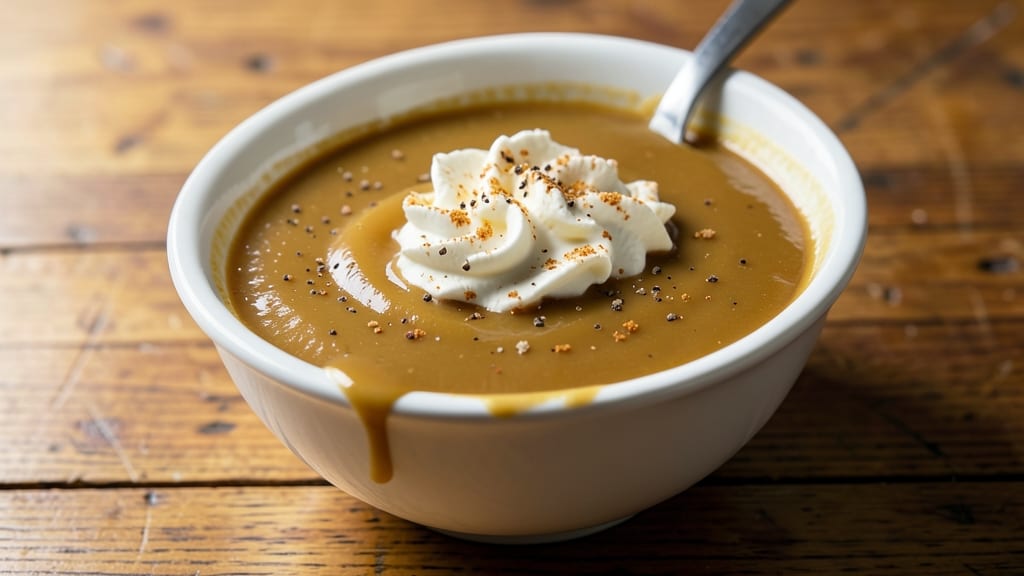
Creating Campbell's-style cream of chicken gravy from scratch delivers a velvety, lump-free sauce that beats the canned version every time. The secret lies in a proper roux foundation and precise thickening technique—no mystery ingredients, just simple pantry staples combined with professional results.
I’ve perfected this recipe after years of testing, ensuring it works whether you’re pouring over mashed potatoes or drizzling on biscuits.
This homemade version starts with a light butter-flour roux cooked to golden perfection, then builds flavor through chicken stock and cream. The key to zero lumps is whisking constantly while adding cold ingredients gradually—a technique that transforms basic pantry items into a restaurant-worthy sauce.
It’s foolproof once you understand the science behind it, and the rich, creamy texture stays smooth even after reheating.
What makes this gravy stand out is its balance of savory depth and velvety smoothness, achieved without heavy cream or artificial thickeners. The chicken stock provides umami richness, while a touch of mustard powder adds subtle complexity that elevates every spoonful.
Best of all, it comes together in under 15 minutes with ingredients you likely already have on hand.
Use this gravy as a standalone condiment or drizzle it over roasted chicken, dumplings, or even as a creamy soup base. The recipe yields about 2 cups, perfect for a family dinner or meal prep.
Store leftovers in the fridge for up to 5 days or freeze for longer shelf life—just reheat gently to preserve that silky texture.
Ingredients for campbell's cream of chicken gravy
Nine pantry staples transform into velvety Campbell's-style gravy with no lumps or additives.
| Ingredient | Amount | Notes |
|---|---|---|
| Unsalted Butter 🧈 | ½ cup | Cold, cubed for roux |
| All-Purpose Flour 🌾 | ½ cup | White bread flour preferred |
| Chicken Stock 🍗 | 2 cups | Homemade or high-quality store-bought |
| Heavy Cream 🥛 | ½ cup | Full-fat for optimal texture |
| Dry Mustard Powder 🌶️ | 1 tsp | Yellow or prepared type |
| Diamond Crystal Kosher Salt 🧂 | ½ tsp | Adjust to taste |
| Freshly Ground Black Pepper 🌶️ | ¼ tsp | Cracked peppercorns preferred |
| White Vinegar 🍶 | 1 tbsp | For brightness and acidity |
| Granulated Sugar 🍬 | ½ tsp | Balances acidity |
| Freshly Shredded Parmesan Cheese 🧀 | ¼ cup | For umami depth (optional) |
The roux foundation demands precision—unsalted butter must be cold and cubed for even cooking, never melted. All-purpose flour should be sifted to eliminate clumps, and Diamond Crystal kosher salt is essential for proper seasoning balance (regular table salt would over-salt). For chicken stock, homemade or high-quality brands like Pacific Foods provide superior depth compared to bouillon cubes. The heavy cream should be full-fat to achieve that signature richness; reduced-fat versions create a thinner, less luxurious sauce. Freshly ground black pepper adds complexity that pre-ground cannot replicate.
No chicken stock? Low-sodium beef broth works in a pinch, though flavor will differ slightly. Substitute heavy cream with half-and-half or whole milk, but expect a lighter texture. Dried mustard powder can be replaced with 1/2 tsp Dijon mustard, but fresh mustard adds more depth. For a dairy-free version, use coconut cream, though texture will be slightly different. The white vinegar is non-negotiable for brightness—substituting lemon juice alters the flavor profile entirely. When storing, always cool the gravy completely before refrigerating to prevent skin formation.
This gravy maintains its silky texture when reheated gently over low heat—never microwaved, as that creates graininess. Store in an airtight container in the fridge for up to 5 days, or freeze for 3 months in ice cube trays for single-serving portions. For meal prep, double the recipe and freeze half immediately—thaw overnight in the fridge before reheating. The Parmesan cheese, if used, should be added at the very end to preserve its sharpness and prevent curdling.
Why You'll Love This Recipe
- Pantry Magic: I swear by this recipe when I forget to buy anything else—just butter, flour, and stock. The dry mustard powder adds that subtle kick without extra effort, and honestly? It’s the kind of meal that makes you feel like you planned ahead.
- Rich Without Fuss: That velvety heavy cream mixed into the roux? Pure comfort in a bowl. The flour-butter base thickens effortlessly, and the mustard cuts through the richness just enough to keep it from feeling heavy—like a hug from your grandma, but with less cleanup.
- Game Day Hero: Between us, this is my secret weapon for tailgates and lazy Sundays. Drizzle it over mashed potatoes, pour it on biscuits, or even use it as a dip for roasted veggies—no one will guess it took me 15 minutes to make. (Yes, even on a Tuesday night.)
- Budget-Friendly Leftovers: A single batch stretches for days—dump it into freezer containers and reheat with a splash of milk. I’ve fed a crowd of five with one recipe, and the cost? Less than takeout. The flour and butter stretch thin, but the flavor never does.
Step-by-step instructions for creamy chicken gravy
Mastering this velvety gravy comes down to technique and patience—every step ensures a perfectly smooth finish.
Create a Smooth Roux with Butter and Flour
Melt the 0.5 cup unsalted butter in a medium saucepan over medium-low heat. Once fully melted, reduce heat to low and gradually whisk in the 0.5 cup all-purpose flour—this prevents lumps from forming. Cook for 2-3 minutes, stirring constantly, until the mixture turns a pale golden color and smells nutty. This roux is the foundation of your gravy, so don’t rush it; a proper roux eliminates the risk of graininess later.
Here’s the thing—if the roux darkens too quickly, lower the heat immediately. A light roux yields a smooth gravy, while a dark one adds depth but can overpower the chicken flavor. Keep whisking until it reaches the consistency of wet sand.
Gradually Incorporate Chicken Stock
Slowly pour in the 2 cups chicken stock while whisking vigorously to prevent clumping. The mixture will thicken immediately, so keep stirring until it reaches a smooth, pourable consistency. If lumps form, strain the gravy through a fine-mesh sieve into a clean saucepan—this guarantees a silky texture.
Bring the gravy to a gentle simmer over medium heat, then reduce to low to maintain a slow, even cook. Simmer for 5-7 minutes, stirring occasionally, until the raw flour taste disappears and the gravy thickens slightly. This step develops the gravy’s depth and removes any lingering flour bitterness.
Season and Balance the Flavors
Stir in the 1 tsp dry mustard powder, 0.5 tsp diamond crystal kosher salt, 0.25 tsp freshly ground black pepper, 1 tbsp white vinegar, and 0.5 tsp granulated sugar. The vinegar brightens the gravy, while the sugar balances its acidity. Taste and adjust the seasoning—you may need a pinch more salt or sugar depending on your stock’s saltiness.
For an extra layer of umami, whisk in the 0.25 cup freshly shredded parmesan cheese (if using) and the 0.5 cup heavy cream. The cream adds richness, but add it gradually to avoid curdling. Simmer for another 2-3 minutes just until the cream is fully incorporated and the gravy reaches a luxurious, velvety finish.
Strain and Serve Immediately
Strain the gravy through a fine-mesh sieve into a clean saucepan to remove any remaining lumps or parmesan bits. Return it to low heat and keep it warm until serving—never let it boil, or it will separate. The gravy should coat the back of a spoon smoothly, with a glossy sheen that indicates perfect texture.
Serve the gravy immediately over mashed potatoes, roasted chicken, or biscuits. If it thickens too much while reheating, thin it with a splash of warm chicken stock. This gravy keeps its velvety consistency for up to 3 days refrigerated, but it’s best enjoyed fresh.
Pro Tips For Making Campbell'S Cream Of Chicken Gravy
- Melt Butter Slowly: Heat the butter over medium-low—not medium or high—until it’s fully melted but not foaming. I learned this the hard way after burning the flour in the first batch; the butter needs time to warm gently so the roux doesn’t scorch before the flour even gets a chance to toast.
- Whisk Like You Mean It: Once you add the flour to the butter, whisk constantly for at least 2 minutes to cook out the raw taste. I used to stir lazily and wondered why my gravy always had a floury aftertaste—this step is non-negotiable for that silky, restaurant-style finish.
- Temper the Cream: Before adding the heavy cream, warm it slightly (just until it’s lukewarm to the touch) to prevent curdling. Cold cream dumped into hot roux is a fast track to a lumpy mess—trust me, I’ve turned gravy into glue more times than I’d admit.
- Mustard Last, Not First: Stir in the dry mustard after the cream is fully incorporated, not with the flour. It’s easy to forget, but adding it early can make the gravy taste bitter—save it for the final whisk to let the flavors meld properly.
Perfect pairings for campbell's cream of chicken gravy
Classic Comfort Pairings
This gravy was designed to elevate homestyle classics—start with creamy mashed potatoes (made with butter and whole milk) where the gravy’s velvety texture clings beautifully to each spoonful. I always serve it alongside roasted chicken thighs (skin-on for crispiness) and buttery dinner rolls for dipping.
The contrast between the rich gravy and flaky biscuits is pure comfort food magic. 🥔
Unexpected Modern Uses
Think beyond traditional pairings—this gravy transforms mac and cheese into a gourmet dish. Stir 1 cup of this gravy into cooked elbow pasta with sharp cheddar, or drizzle it over garlic-parmesan roasted potatoes for a restaurant-worthy finish.
I’ve also used it as a creamy soup base for chicken noodle soup by thinning it with extra stock.
Global Gravy Twists
For a French bistro touch, stir in 1 tsp herbes de Provence and serve over crispy duck confit. For Japanese-inspired flavor, replace the mustard with ½ tsp grated ginger and top with sesame seeds. The gravy’s neutral base absorbs global spices beautifully—just adjust the seasoning balance accordingly. 🌍
Beverage Pairings
A bold red wine like Cabernet Sauvignon complements the gravy’s richness when paired with roasted meats. For lighter dishes, sparkling apple cider (chilled) cuts through the creaminess perfectly. I also love black coffee after a gravy-heavy meal—its bitterness cleanses the palate beautifully. ☕
Garnish Game-Changers
Freshly cracked black pepper and a sprinkle of grated Parmesan add instant sophistication. For a pop of color, try chopped chives or microgreens—they brighten the dish without overpowering.
A drizzle of truffle oil (just ½ tsp) takes it to fine-dining level. The key is to add garnishes at the very end to preserve their freshness.
Meal Prep Hacks
Double the recipe and freeze half in ice cube trays for single-serving portions. Thaw overnight in the fridge, then reheat gently with a splash of stock.
I also use leftover gravy to deglaze pans after cooking chicken—just scrape up the browned bits and add ¼ cup water, then stir in 2 tbsp of the gravy. This creates a quick, flavorful sauce for stir-fries or rice dishes. ❄️
Nutrition facts
Frequently asked questions
Can I make this gravy without heavy cream for a lighter version?
Replace the 0.5 cup heavy cream with ½ cup whole milk or ½ cup half-and-half for a lighter texture, though the richness will be slightly reduced. For a dairy-free option, use ½ cup coconut cream—just whisk it in slowly over low heat to prevent curdling. The gravy will still be smooth but may have a slightly different mouthfeel.
Why did my gravy turn out grainy or lumpy?
Graininess usually happens when the roux is overcooked (turns dark brown) or when liquid is added too quickly without constant whisking. To fix it, strain the gravy through a fine-mesh sieve immediately after simmering. For future batches, cook the roux over low heat until golden (not brown) and whisk vigorously when adding liquids. Cold ingredients should always be incorporated gradually.
How do I adjust the thickness for different uses?
For a thicker gravy (like for dipping biscuits), simmer uncovered for 2-3 extra minutes to evaporate moisture. To thin it (for soups or sauces), whisk in 1-2 tablespoons warm chicken stock at a time until reaching your desired consistency. The key is to adjust while the gravy is still warm—thickening is easier than thinning once cooled.
Can I make this gravy ahead of time for meal prep?
Yes! Store leftovers in an airtight container in the fridge for up to 5 days. For longer storage, freeze in ice cube trays (thaw overnight in the fridge) or in a sealed container (up to 3 months). When reheating, warm gently over low heat with a splash of stock to restore smoothness. Avoid microwaving—it creates graininess.
What can I substitute if I don’t have white vinegar?
White vinegar adds brightness, but you can substitute with ½ teaspoon lemon juice or ½ teaspoon apple cider vinegar. Avoid skipping it entirely—the acidity balances the richness. If using lemon juice, reduce the sugar slightly (¼ teaspoon) since it’s naturally sweeter. The flavor will be slightly different but still delicious.