
Sauces & Condiments
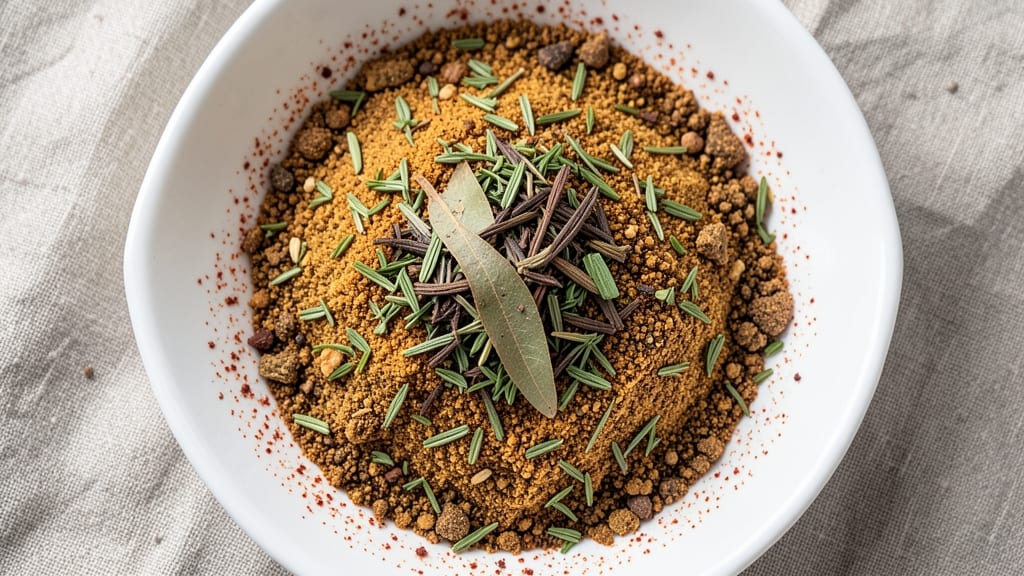
Creating a chicken bouillon seasoning recipe transforms ordinary soups and stews into deeply flavorful masterpieces with just a few simple ingredients. This dry blend delivers restaurant-quality umami depth without the need for store-bought cubes, giving you complete control over salt and sodium levels.
I developed it after years of testing what truly elevates homemade broths—precise spice ratios that work in everything from quick weeknight meals to slow-cooked classics.
The secret lies in balancing savory, umami, and aromatic elements: dried herbs, garlic powder, and a touch of smoked paprika create complexity while keeping it versatile. This blend dissolves instantly in hot water, making it perfect for last-minute broths or deepening flavor in marinades and sauces.
Unlike commercial bouillon, this version stays fresh for months when stored properly, cutting costs while improving every dish it touches.
What makes this seasoning truly special is its ability to enhance rather than overpower—whether you're simmering a hearty beef stew or whipping up a light chicken noodle soup. The precise measurements ensure consistent results every time, while the customizable salt content lets you adjust to dietary needs.
One tablespoon transforms 4 cups of water into a rich, aromatic base that builds flavor layer by layer.
Use it as a base for homemade stock, a quick flavor booster for grains, or even in baking for savory depth. The possibilities are endless, and the quality is always professional.
Ready to elevate your cooking with this foolproof blend? Let’s get started with the exact measurements and techniques that make the difference.
Ingredients for chicken bouillon seasoning
Nine simple spices unlock restaurant-quality broth flavor in every pot.
| Ingredient | Amount | Notes |
|---|---|---|
| Dried Parsley Flakes 🌿 | 2 tbsp | Lightly toasted for depth |
| Dried Thyme Leaves 🌿 | 1 ½ tbsp | French thyme preferred |
| Dried Bay Leaves 🍃 | 1 tbsp | Crushed for faster infusion |
| Onion Powder 🧅 | 1 ½ tbsp | Freshly ground preferred |
| Garlic Powder 🧄 | 1 ½ tbsp | Not garlic salt |
| Smoked Paprika 🌶️ | 1 tbsp | Spanish paprika for color |
| Ground Black Pepper 🌶️ | 1 tsp | Freshly ground for best flavor |
| Sea Salt 🧂 | 1 tsp | Diamond Crystal preferred |
| MSG (Optional) 🌶️ | ½ tsp | For extra umami boost |
| Dried Sage Leaves 🍃 | ½ tbsp | Earthy depth to blend |
The herbs are the heart of this blend—freshness matters most. Grab Penzeys or bulk bins at natural markets for the best quality, but even grocery store dried herbs work if they're labeled '100% pure' with no fillers. French thyme has a brighter flavor than regular thyme, and Spanish smoked paprika gives that authentic depth. Toast your dried herbs for 30 seconds in a dry pan before blending—it wakes up their flavors. The bay leaves? Crush them first so they release flavor faster in your broth. I always buy a small bag of Diamond Crystal kosher salt for this—it dissolves perfectly and doesn't clump.
No MSG? Add an extra 0.5 tsp of sea salt for umami. Running low on thyme? Dried oregano at half the amount works in a pinch, though it won't be identical. The onion and garlic powders are non-negotiable—they're what makes this taste like actual chicken broth. Trader Joe's has a great bulk section for these if you want to stock up. Want more heat? Swap half the smoked paprika for cayenne. For a vegetarian version, skip the MSG and boost the umami with a splash of soy sauce when using the blend. The sage is optional but adds that classic 'homemade stock' depth—don't skip it if you've got it.
Store this in an airtight container in a cool, dark place for up to 6 months. I keep mine in a amber glass jar with a tight seal—light and moisture are the enemies of shelf life. For best flavor, make a fresh batch every 3 months. This blend dissolves instantly in hot water, so it's perfect for last-minute broths. One tablespoon per 4 cups water is the magic ratio. Double or triple the batch if you're prepping for a week of soups—it disappears fast around here. Freeze extras in ice cube trays for single-use portions.
Why You'll Love This Recipe
- Pantry Magic: I keep this mix in a jar by my stove—no fancy shopping, no last-minute ingredient hunts. Just toss in dried parsley, thyme, and a pinch of onion powder, and boom: instant depth for any dish.
- Umami Bomb: That garlic powder and bay leaf combo? It’s the secret weapon in my broths and roasted veggies. Honestly, it turns bland chicken into something that makes people ask, "What’d you do to this?"
- All-Day Everyday: Slip it into soups, rice, or even scrambled eggs—it’s my go-to for weeknights when I’m too tired to think. (Yes, even on a Tuesday night when the kids are begging for something "fancy.")
- Budget Booster: A little goes a long way, and I’ve stretched this mix for months. No wasted spices here—just pure, reliable flavor that doesn’t break the bank. My wallet and my taste buds thank me.
Step-by-step instructions for chicken bouillon seasoning
This umami-packed blend comes together in minutes with simple technique.
Toast the Dried Herbs for Depth
Start by lightly toasting the dried parsley flakes and dried thyme leaves in a dry skillet over medium-low heat for 1-2 minutes. You'll see the herbs release their aroma and develop a subtle golden hue—this enhances their flavor without burning. Transfer immediately to a bowl to cool slightly while you prepare the remaining ingredients.
The reason for toasting is simple: heat awakens the essential oils in dried herbs, giving your seasoning that restaurant-quality depth. Don't let them darken—just enough to smell that fresh, toasted aroma. I like to use a 10-inch skillet for this step so the herbs spread out evenly and don't burn in spots.
Crush the Bay Leaves for Faster Infusion
While the herbs cool, take the dried bay leaves and crush them lightly with the flat side of a knife or rolling pin. You want them broken into small pieces—about ¼-inch fragments—so they'll infuse flavor more completely when used. Place these crushed bay leaves in the same bowl with the toasted herbs.
Crushing releases the aromatic oils trapped inside the bay leaves, which is why they're such a powerful flavor enhancer in soups and stews. If you're using whole bay leaves, they'll work too, but crushing them gives you that extra punch in every spoonful of your bouillon.
Combine All Dry Ingredients Thoroughly
Add all the remaining ingredients to the bowl: 1.5 tablespoons onion powder, 1.5 tablespoons garlic powder, 1 tablespoon smoked paprika, 1 teaspoon ground black pepper, 1 teaspoon sea salt, 0.5 teaspoon MSG (optional), and 0.5 tablespoon dried sage leaves. Use a fork or whisk to mix everything together until completely homogeneous.
Here's the thing—this isn't just about combining ingredients. You want to break up any herb clusters and ensure the MSG (if using) is evenly distributed for that umami boost. I like to press the mixture through a fine-mesh strainer to eliminate any large herb particles, but that's optional if you prefer a rustic texture.
Store Properly for Maximum Freshness
Transfer the finished seasoning blend to an airtight container—glass jars work best for this. Seal tightly and store in a cool, dark place like your pantry. This blend will keep its vibrant flavor for up to 6 months, though I find it's always used up before then. For even longer shelf life, you can freeze portions in ice cube trays and transfer to a freezer bag.
The key to long-term storage is keeping it dry. Any moisture will cause the herbs to lose potency faster. I like to add a small packet of silica gel or a slice of bread to my jars to absorb any potential moisture. When ready to use, simply shake the container well before measuring out portions.
Pro Tips For Making Chicken Bouillon Seasoning
- TOAST THE SPICES: Dried thyme and parsley flakes lose their punch if they sit in cold oil—give them a quick 30-second toast in a dry pan first. The aroma hits harder, and you’ll taste the difference right away (yes, even in a bouillon blend).
- CRUSH THE BAY LEAVES: Whole bay leaves can taste bitter if not handled right—lightly crush them between your palms or a rolling pin before adding. This releases the oils without turning the mix into a leafy mess.
- MEASURE BY SPOONS: Don’t eyeball the onion or garlic powder—use a ¼-teaspoon measure for each. Too much, and you’ll taste only heat; too little, and the broth will feel flat.
- BLEND WITH A PINCH OF SALT: Dried herbs need a tiny boost—add ⅛ teaspoon of salt to the mix before storing. It balances the flavors and keeps the seasoning from tasting dull over time.
Essential equipment for this dish
Essential Mixing Tools
You don’t need fancy equipment—just a few basics. A 10-inch stainless steel skillet (like All-Clad) handles the herb toasting perfectly, while a fine-mesh strainer (I use OXO Good Grips) helps eliminate any large herb particles for a silky-smooth blend.
For crushing bay leaves, a rolling pin or the flat side of a chef’s knife works best—no need for a mortar and pestle unless you’re making this weekly. 🌿
A glass jar with airtight lid (like Ball Mason jars) is ideal for storage—amber glass blocks light, preserving flavor longer. If you’re measuring precisely, a small digital scale (I recommend OXO Good Grips) ensures accuracy for the MSG or salt, though measuring spoons work fine for most ingredients.
Keep a whisk or fork handy to blend thoroughly—uneven mixing can lead to flavor pockets in your broth.
Optional but Helpful Gadgets
A spice grinder (like KitchenAid’s mini grinder) comes in handy if you prefer freshly ground black pepper or garlic powder—this makes a noticeable difference in flavor depth.
For those who love convenience, a small food processor (I use Ninja’s 3-cup model) can pulse the herbs into a finer powder, though I find the texture works perfectly coarse for most applications.
If you’re making this blend often, consider a spice organizer to keep your dried herbs fresh and easily accessible.
Storage Containers
Beyond the basic glass jar, vacuum-sealed bags (like FoodSaver) extend shelf life to 9 months by eliminating air exposure. For single-use portions, freeze the blend in ice cube trays—just pop out a cube and toss it into your pot.
I also keep a small amber glass jar on my stovetop for quick access, while the larger batch stays in the pantry. The key is airtight containers—moisture and light are the enemies of long-term flavor preservation. 💡
Measurement Essentials
Invest in a set of stainless steel measuring spoons (I love OXO’s) for precision—especially when dealing with small amounts like the 0.5 tsp MSG or dried sage.
A small bowl with a lip (like Pyrex) makes mixing easier, while a fine-mesh sieve catches any stray herb particles if you prefer a smoother texture.
For those who love data, a thermometer (like ThermoWorks) ensures your skillet stays at medium-low heat (around 275°F) during toasting—too hot, and you’ll burn the herbs.
Budget-Friendly Swaps
No fancy tools? No problem. A small saucepan works for toasting herbs, and a clean coffee mug can double as a mixing bowl. Use a butter knife to crush bay leaves—just press firmly. For storage, repurposed jam jars with tight lids work perfectly.
The only non-negotiable is airtight containers—even a ziplock bag pressed of air will do in a pinch. The beauty of this blend is that it’s forgiving—focus on the ingredients, not the tools. 💪
Nutrition facts
Frequently asked questions
Can I make this seasoning without MSG?
Simply omit the 0.5 teaspoon MSG and increase the sea salt to 1.5 teaspoons for comparable umami depth. The blend will still deliver rich flavor—MSG just amplifies the savory notes. For extra umami without MSG, add 1 teaspoon soy sauce when using the seasoning in recipes.
How long does it take to make this blend?
This seasoning comes together in just 10 minutes—about 2 minutes toasting herbs, 1 minute crushing bay leaves, and 5 minutes mixing and storing. The quick prep makes it perfect for meal prep Sundays or whenever you need a flavor boost.
Can I use this seasoning in recipes beyond broth?
Yes! This versatile blend enhances mashed potatoes, roasted vegetables, marinades, and even baked goods like savory breads. For marinades, dissolve 1 tablespoon in ½ cup hot water before mixing with oil. In baking, use ½ teaspoon per cup of flour for depth.
What's the shelf life of this homemade seasoning?
Properly stored in an airtight container, this blend stays fresh for up to 6 months at room temperature. For longer storage, freeze portions in ice cube trays—just pop out what you need. The herbs lose potency faster when exposed to light or moisture, so keep it in a cool, dark pantry.
Why does my homemade bouillon taste weaker than store-bought?
Store-bought bouillon often contains MSG and concentrated umami compounds that homemade versions lack. Boost your flavor by toasting herbs properly, using freshly ground spices, and adding a splash of soy sauce or Worcestershire when making broth. The homemade version builds flavor layer by layer—simmer longer for deeper taste.