
Sauces & Condiments
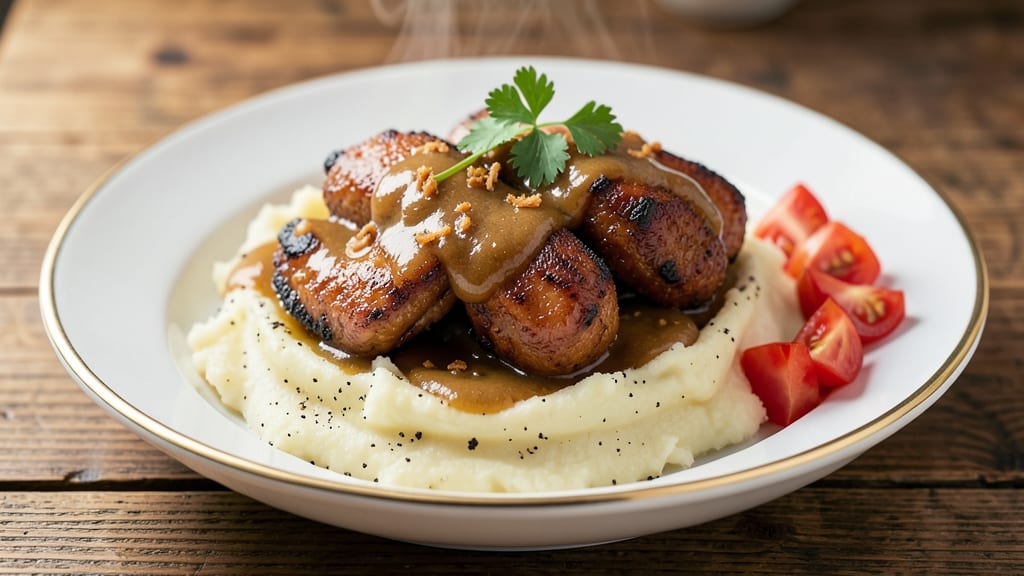
This chicken gizzard gravy recipe transforms humble pantry staples into a deeply flavorful sauce that rivals restaurant-quality dishes. The process begins with properly preparing gizzards—cleaning, seasoning, and cooking them until tender—before extracting their rich, umami-packed juices to create a velvety gravy.
What sets this recipe apart is its ability to deliver restaurant-quality depth using simple techniques like a well-built roux and careful reduction.
The key to success lies in patience and precision: simmering the gizzards until they're fork-tender ensures maximum flavor extraction, while a proper flour roux provides the ideal thickening agent.
This method creates a gravy that's rich, savory, and perfectly balanced—neither too thick nor too thin—with just the right amount of body to coat every bite. The result is a sauce that pairs beautifully with mashed potatoes, cornbread, or even on its own as a hearty condiment.
What makes this recipe particularly rewarding is how it elevates an often-overlooked ingredient into something extraordinary. With just a few basic steps—cleaning, cooking, and reducing—you'll transform simple gizzards into a deeply flavorful gravy that tastes like it's been simmering for hours.
The technique is straightforward, but the results are undeniably impressive, making this a go-to recipe for anyone looking to add restaurant-quality depth to their meals.
Whether you're serving it alongside a classic Southern-style dinner or enjoying it as a standalone dish, this gravy delivers unexpected richness that will have everyone asking for seconds. The method is designed to be both foolproof and adaptable, ensuring consistent results every time.
Ready to create a gravy that's as satisfying as it is flavorful? Let's get started.
Ingredients for chicken gizzard gravy
Transform humble gizzards into velvety restaurant-quality gravy with these 12 essential ingredients.
| Ingredient | Amount | Notes |
|---|---|---|
| Fresh Chicken Gizzards 🍗 | 1 ½ lb | Cleaned and trimmed of excess fat |
| All-Purpose Flour 🌾 | ½ cup | For roux base, unsifted |
| Unsalted Butter 🧈 | ½ cup | Cold, cut into small cubes |
| Yellow Onion 🧅 | 1 whole | Medium size, diced finely |
| Garlic Cloves 🧄 | 4 cloves | Peeled and minced |
| Chicken Broth 💧 | 3 cups | Low-sodium preferred |
| Diamond Crystal Kosher Salt 🧂 | 1 ½ tsp | Adjust to taste |
| Fresh Thyme Leaves 🌿 | ¼ cup | Stems removed, chopped |
| Fresh Parsley Leaves 🌿 | ¼ cup | Chopped for garnish |
| Black Peppercorns 🌶️ | ½ tsp | Freshly cracked |
| Apple Cider Vinegar 🍎 | 1 tbsp | For acid balance |
| Heavy Cream 🥛 | ½ cup | Optional for richness |
The gizzards form the gravy's soul—look for plump, firm ones at specialty butchers or the poultry counter. Costco or Whole Foods often carry them pre-cleaned, but if not, soak in cold water for 30 minutes to remove any blood. The butter should be cold and cubed for an ideal roux—don't skip this step. Fresh thyme and parsley elevate the flavor beyond store-bought blends, though dried will work in a pinch. For the broth, homemade or high-quality low-sodium ensures the right balance of depth without overpowering saltiness. The vinegar might seem unusual, but it brightens the umami notes perfectly.
No fresh thyme? Dried thyme at one-third the amount suffices, but fresh delivers that restaurant-quality aroma. Substitute the onion with 1/2 cup shallots for a milder sweetness. Short on time? Instant chicken bouillon granules can replace broth, though homemade yields superior results. The heavy cream is optional but adds luxurious body—half-and-half works too. For a dairy-free version, omit it entirely and reduce the broth slightly longer. The flour must be unsifted all-purpose for proper roux development; cake flour won't work. And never rush the roux—patience here prevents burning.
Store any leftover gravy in an airtight container for up to 5 days in the fridge, though it's best consumed within 3. For longer storage, freeze in ice cube trays—perfect for single servings later. The gizzards can be prepped ahead and refrigerated overnight, but cook them the same day for optimal texture. This gravy reheats beautifully—simmer gently on the stove, stirring occasionally, to restore its silky consistency. Garnish with fresh parsley just before serving to maintain vibrant color and freshness.
Why You'll Love This Recipe
- Pantry Stash Magic: I swear by this recipe because it turns five ingredients I already have into something special. No last-minute grocery runs—just butter, flour, and whatever’s lurking in my fridge.
- Rich Without Effort: That golden roux from butter and flour? It’s the secret weapon—creamy, velvety, and packed with caramelized onion depth. The gizzards add a meaty richness that’s hard to beat.
- Leftovers That Beg: This gravy thickens beautifully when reheated, making it perfect for lazy mornings or quick lunches. I’ll be real: my kids ask for it more than the actual dinner.
- Budget Feast: Gizzards are cheap, but they taste like a fancy meal. A pound feeds four, and the leftovers stretch into sandwiches or mashed potatoes without breaking the bank.
Step-by-step instructions for chicken gizzard gravy
Transform humble gizzards into velvety gravy using this precise technique.
Prepare the Gizzards for Cooking
Rinse the 1.5 lb fresh chicken gizzards thoroughly under cold water and pat them completely dry with paper towels. This step is crucial—excess moisture prevents proper browning and flavor development. Using kitchen shears or a sharp knife, trim away any remaining connective tissue or excess fat, leaving the gizzards clean but intact.
Place the prepared gizzards in a large skillet over medium-high heat and cook undisturbed for 5 minutes per side, until they develop a deep golden-brown crust. You'll hear them sizzle loudly—this indicates the fat is rendering properly. Flip carefully using a pair of tongs, as the gizzards will be delicate. Once browned on both sides, remove them from the skillet and set aside on a plate, leaving the rendered fat behind in the pan.
Build the Roux and Develop Flavor
Reduce the heat to medium and add the 0.5 cup unsalted butter, cut into small cubes, to the skillet containing the rendered gizzard fat. Allow the butter to melt completely, about 2 minutes, while continuing to deglaze the pan with a wooden spoon, scraping up any browned bits from the bottom. These bits, known as fond, are packed with umami flavor that will form the base of your gravy.
Next, add the 0.5 cup all-purpose flour and stir vigorously with a wooden spoon or whisk for 2-3 minutes until a smooth, nutty-colored roux forms. The roux should coat the back of a spoon and smell toasty—this indicates proper development. If the roux darkens too quickly, reduce the heat slightly. This roux will serve as the thickening agent for your gravy, so proper cooking is essential for achieving the right texture.
Incorporate Aromatics and Deglaze
Add the finely diced 1 whole yellow onion and minced 4 cloves garlic to the skillet, stirring constantly to coat the roux. Cook for 3-4 minutes until the onions soften and become translucent. Here's where the flavor foundation takes shape—don't rush this step, as proper cooking of the aromatics ensures they'll blend seamlessly into the gravy rather than remain distinct.
Pour in the 3 cups chicken broth all at once and stir vigorously to incorporate any remaining roux from the sides of the pan. Bring the mixture to a gentle simmer, then add the 1 tbsp apple cider vinegar, 1.5 tsp diamond crystal kosher salt, and 0.5 tsp freshly cracked black peppercorns. The vinegar will brighten the flavors and cut through any richness, while the salt and pepper balance the umami depth. Let the mixture simmer gently for 10 minutes, stirring occasionally, until it begins to thicken.
Finish with Herbs and Cream
Stir in the 0.25 cup fresh thyme leaves and 0.25 cup fresh parsley leaves, reserving a small handful of parsley for garnish. Simmer for an additional 5 minutes, allowing the herbs to infuse their aromatic qualities into the gravy. The thyme will add earthy depth, while the parsley provides a bright, fresh finish. Taste and adjust the seasoning if needed—this is your opportunity to fine-tune the balance of flavors.
Finally, remove the skillet from heat and stir in the 0.5 cup heavy cream. The cream adds luxurious richness and helps create a silky texture. If you prefer a lighter gravy, you can omit this step, but the cream elevates the dish significantly. Return the skillet to low heat for just 1 minute to warm through gently, being careful not to let it boil. The gravy should now coat the back of a spoon smoothly, with a velvety consistency.
Strain and Serve
Line a fine-mesh strainer with cheesecloth or a coffee filter and carefully strain the gravy into a clean saucepan, pressing gently on the solids with a wooden spoon to extract maximum flavor. This step ensures a silky texture without any fibrous bits. Return the strained gravy to the stove over low heat and keep it warm until serving.
Ladle the finished gravy over your choice of protein—whether it's roasted chicken, seared gizzards, or even mashed potatoes—and garnish with the reserved fresh parsley leaves. The gravy should be rich, deeply flavorful, and perfectly balanced, with a velvety texture that clings beautifully to each bite. Serve immediately while warm, as the flavors continue to develop as it sits.
Pro Tips For Making Chicken Gizzard Gravy
- SCORE THE GIZZARDS: Run them under cold water first, then slice them lengthwise with kitchen shears—no need to peel. I learned this the hard way after spending 10 minutes scrubbing stubborn membranes off whole gizzards. The shears cut through connective tissue cleanly, and you’ll save time without losing flavor.
- BROWN THE BUTTER FIRST: Melt the unsalted butter over medium heat until it’s nutty and golden—about 3 minutes. This adds depth to the gravy that plain melted butter can’t match. Skip this, and your gravy will taste bland, no matter how much onion or garlic you add.
- DON’T RUSH THE ROUX: Cook the flour-butter mix for 5-7 minutes until it’s a rich, caramelized color, not just pale. I used to walk away too soon, and the gravy would taste raw. This step locks in flavor and thickens the gravy properly—no slimy texture later.
- DEGLAZE WITH WARM BROTH: After searing the onions and garlic, splash in ½ cup of warm (not boiling) chicken broth first. It loosens the browned bits instantly, and you won’t scorch the pan. Cold broth? You’ll be scraping burnt bits off your pan for 10 minutes.
Flavor customization for these flavors
Spicy Kick
For a bold twist, stir in 1 teaspoon of smoked paprika and ½ teaspoon of cayenne pepper during the simmering phase. This adds a deep, smoky heat that pairs beautifully with the umami richness.
If you prefer a milder heat, reduce the cayenne to ¼ teaspoon and add 1 tablespoon of hot honey at the end for a sweet-spicy balance. 🌶️
Creamy & Tangy
Swap the heavy cream for ½ cup sour cream or ½ cup Greek yogurt to introduce a tangy brightness. The acidity cuts through the richness, creating a more complex flavor profile.
For extra depth, whisk in 1 tablespoon of Dijon mustard along with the cream—it adds a subtle sharpness that enhances the gravy’s overall harmony.
Herb-Forward Variation
Boost the herbal notes by adding 1 tablespoon of fresh rosemary and 1 teaspoon of fresh sage along with the thyme and parsley. These herbs add an earthy, piney aroma that elevates the gravy’s complexity.
For a Mediterranean twist, replace the thyme with 1 tablespoon of oregano and finish with a sprinkle of crumbled feta cheese before serving.
Umami Bomb
Deepening the umami flavor is easy—simmer in 1 tablespoon of soy sauce or 1 teaspoon of fish sauce during the final 5 minutes of cooking. Alternatively, add 1 tablespoon of Worcestershire sauce for a savory depth that complements the gizzards perfectly. These additions make the gravy taste even more restaurant-worthy.
Sweet & Savory
Balance the richness with a touch of sweetness by stirring in 1 tablespoon of honey or 1 teaspoon of maple syrup during the last 2 minutes of simmering. This creates a beautiful contrast that rounds out the gravy’s flavor profile.
For a caramelized touch, sprinkle ½ teaspoon of cinnamon into the roux before adding the broth—it adds warmth without overpowering.
Dairy-Free Option
To make this gravy dairy-free, skip the heavy cream and instead whisk in ½ cup of coconut milk (full-fat for creaminess) or ¼ cup of cashew cream at the end.
For extra richness, add 1 tablespoon of nutritional yeast—it adds a cheesy, umami depth that mimics the cream’s luxurious texture. The result is just as velvety and satisfying! 🌱
Nutrition facts
Frequently asked questions
Why do I need to clean chicken gizzards before cooking?
Cleaning removes blood and connective tissue that can make the gravy bitter or slimy. Soak them in cold water for 30 minutes if they're bloody, then rinse thoroughly. Proper prep ensures your sauce stays velvety smooth and packed with clean umami flavor rather than off-putting textures.
Can I use frozen gizzards for this recipe?
Yes, but thaw them completely first in the refrigerator for 24 hours. Never use partially frozen gizzards—they won't brown properly and the texture will be uneven. For best results, pat them completely dry after thawing to ensure a good sear.
What if my gravy turns out too thin?
Simmer uncovered for 5-10 more minutes to reduce it naturally. For instant thickening, mix 1 tablespoon flour with 1 tablespoon cold water, then whisk into the gravy while simmering. Avoid adding too much at once—build thickness gradually to prevent clumping.
How do I store leftover gizzard gravy?
Transfer to an airtight container and refrigerate for up to 5 days. For longer storage, freeze in ice cube trays—perfect for single servings later. Reheat gently on low heat, stirring constantly to prevent scorching. The texture may thicken slightly upon reheating, so add a splash of broth if needed.
What's the best way to use the cooked gizzards?
Slice them thinly and serve alongside the gravy for a complete meal. They pair beautifully with mashed potatoes, cornbread, or even over rice. For extra flavor, toss the cooked gizzards in a little extra gravy before serving, or use them as a topping for burgers and sandwiches.