
Main Courses
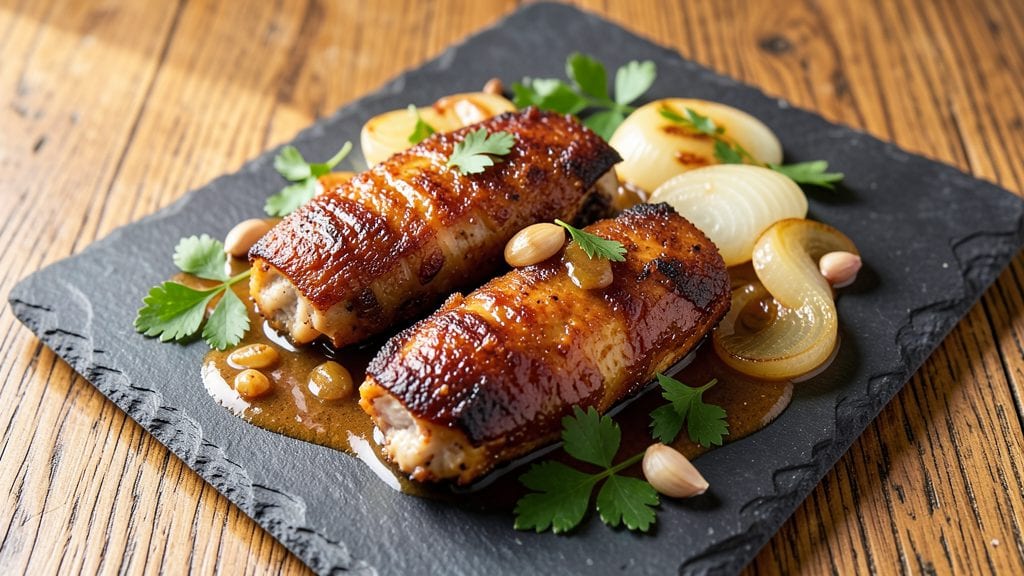
Transforming chicken gizzards into crispy-skinned bites with savory pan gravy is one of those cooking skills that elevates humble ingredients into something extraordinary. I remember the first time I served these to skeptical friends—they went back for seconds, and that's when I knew I'd cracked the code.
The secret lies in proper preparation and cooking technique, turning what can seem like a challenge into a showstopping main course.
This recipe delivers restaurant-quality results using simple techniques you can master at home. We'll start with thorough cleaning and trimming to ensure tender meat, then create that signature crispy exterior through careful cooking.
The pan gravy captures all the flavorful juices, transforming simple seasonings into a rich, savory sauce that ties everything together. It's the kind of dish that feels special without requiring fancy ingredients or equipment.
By the time you're done, you'll have golden-brown gizzards with crispy skins and tender interiors, served with a velvety gravy that makes every bite irresistible. The aroma alone will have everyone gathering at the table—it's that good.
This method works equally well for traditional pan-frying or modern air-frying techniques, giving you flexibility for different preferences. Whether you're cooking for family or impressing guests, this recipe delivers professional-quality results.
Pair these crispy gizzards with roasted potatoes, a fresh green salad, or crusty bread to soak up that delicious gravy. The possibilities for sides are endless, but the star of the show will always be those perfectly cooked, crispy-skinned bites.
Let's get started on creating a dish that's sure to become a regular on your dinner table.
Ingredients for chicken gizzard
Simple ingredients, restaurant-quality results—just 13 steps to crispy gizzards with velvety gravy.
| Ingredient | Amount | Notes |
|---|---|---|
| Fresh Chicken Gizzards 🍗 | 1 ½ lb | Cleaned, trimmed, membrane removed |
| All-Purpose Flour 🌾 | ½ cup | For dredging, light coating |
| Unsalted Butter 🧈 | ½ cup | Cold, cut into 1-inch pieces |
| Yellow Onion 🧅 | 1 whole | Medium, finely diced |
| Garlic Cloves 🧄 | 4 cloves | Minced, fresh preferred |
| Chicken Broth 💧 | 1 cup | Low-sodium, homemade or quality store-bought |
| Dry White Wine 🍷 | ¼ cup | Sauvignon Blanc or Pinot Grigio |
| Fresh Thyme 🌿 | 2 tbsp | Leaves only, chopped |
| Fresh Rosemary 🌿 | 1 tbsp | Needles only, finely chopped |
| Diamond Crystal Kosher Salt 🧂 | 1 ½ tsp | For seasoning, adjust to taste |
| Freshly Ground Black Pepper 🌶️ | ½ tsp | Coarsely cracked |
| Cornstarch 🌾 | 1 tbsp | For gravy thickening |
| Cold Water 💧 | ¼ cup | For cornstarch slurry |
Gizzards need proper prep to shine. Buy from a trusted butcher—they'll clean and trim them for you, or do it yourself by soaking in cold water, scraping off membranes, and slicing off any tough spots. Costco or Whole Foods usually carry them prepped, but ask for the freshest cut. The secret to crispy skins? Cold butter in the pan—it renders slowly for even browning. Don't skip trimming the membranes; they stay tough no matter how long you cook. I always grab extra gizzards if I'm making this for company—people go back for seconds, and it's worth having leftovers.
No white wine? Chicken broth plus a splash of apple cider vinegar works perfectly. Fresh herbs are ideal, but dried thyme and rosemary at half the amount will do in a pinch. The cornstarch slurry is non-negotiable for that silky gravy—Diamond Crystal kosher salt dissolves better than table salt. For the flour dredge, breadcrumbs can substitute if you prefer extra crunch, but flour gives that classic crisp. If your gizzards are large, cut them in half lengthwise to ensure even cooking. The key is patience—rush this, and you'll get tough meat instead of tender bites.
Leftovers reheat beautifully—just warm in a skillet with a splash of broth until heated through. The gravy thickens further when chilled, so loosen with extra broth before reheating. Store gizzards in the fridge for 3 days or freeze for 3 months—they actually taste better the next day. I like to portion the gravy into small jars; it's perfect for drizzling over eggs or mashed potatoes later. The crispy skins soften when reheated, so serve fresh if you can. Trust me, the effort is worth it for that first bite of crispy, juicy perfection.
Why You'll Love This Recipe
- One-Pot Magic: I swear by this recipe when I’m too tired to dirty multiple pans. Just brown the gizzards, toss in onions and garlic, and let the butter do its thing—no chopping, no fuss, just golden perfection in one skillet.
- Buttery-Garlic Bomb: That crispy flour crust paired with melted butter and roasted garlic? It’s like a hug for your taste buds. The onions caramelize just enough to add sweetness, but the garlic? Oh, it’s the star—rich and punchy without overpowering.
- Game for Any Meal: Serve it as a weeknight dinner with crusty bread, pack it in lunches for a protein-packed surprise, or bring it to a potluck where everyone asks for seconds. Honestly, it’s the kind of dish that works everywhere—no excuses.
- Budget Protein Power: Gizzards are the unsung hero of affordable meat, and this recipe stretches them into a full meal. I’ve fed four people for under $10, and the leftovers? Even better the next day—crispy edges soften just right when reheated.
Step-by-step instructions for crispy-skinned chicken gizzards
Here’s how to transform tough gizzards into golden, crispy bites with a rich pan gravy.
Prep and Season the Gizzards for Maximum Crisp
Start by trimming any remaining membranes from the 1.5 lb fresh chicken gizzards—this ensures even cooking and a cleaner texture. Rinse them thoroughly under cold water and pat them completely dry with paper towels. Moisture is the enemy of crispy skin, so don’t skip this step.
In a shallow bowl, combine 0.5 cup all-purpose flour, 1.5 tsp diamond crystal kosher salt, 0.5 tsp freshly ground black pepper, 2 tbsp fresh thyme, and 1 tbsp fresh rosemary. Toss the gizzards in this mixture until evenly coated, pressing the seasoning into the crevices. Let them rest for 10 minutes at room temperature—this helps the flour adhere better and prevents a gummy crust.
Render Butter and Sear the Gizzards to Perfection
Heat a large oven-safe skillet over medium heat and add the 0.5 cup unsalted butter, cut into 1-inch pieces. Let it melt slowly, swirling the pan occasionally, until the butter foams but doesn’t brown—this takes about 3-4 minutes. The butter should coat the back of a spoon but not be smoking.
Working in batches if needed, add the gizzards to the skillet in a single layer. Press down gently with a spatula to ensure even contact with the butter—this prevents curling and guarantees crispy skin. Cook undisturbed for 4-5 minutes until the undersides are golden brown and deeply caramelized. Flip carefully and cook another 4-5 minutes until the second side is equally crispy and the internal temperature reaches 160°F when probed with an instant-read thermometer.
Deglaze and Build the Pan Gravy
Remove the gizzards from the skillet and set them aside on a warm plate. Increase the heat to medium-high and add the 1 whole yellow onion and 4 cloves garlic cloves. Sauté for 2-3 minutes until the onions soften and the garlic becomes fragrant—don’t let the garlic burn, or it’ll turn bitter.
Pour in the 0.25 cup dry white wine and scrape up all the browned bits from the bottom of the pan with a wooden spoon. This deglazing step captures all the flavor locked in the crispy gizzard crust. Let the wine simmer for 2-3 minutes until it reduces by half. Stir in the 1 cup chicken broth and bring to a gentle simmer.
Thicken the Gravy and Finish the Dish
In a small bowl, whisk together 1 tbsp cornstarch and 0.25 cup cold water until smooth. Slowly pour this slurry into the simmering pan, stirring constantly for 1-2 minutes until the gravy thickens to a glossy, coatable consistency. The gravy should cling to the back of a spoon but still be pourable.
Return the gizzards to the skillet, spooning the gravy generously over the top. Let everything heat through for 1-2 minutes, then transfer to a serving platter. The gizzards should be deeply golden and crispy, with a glossy gravy clinging to every bite. Serve immediately while the skin is at its peak texture.
Pro Tips For Making Chicken Gizzard
- SCORE YOUR GIZZARDS: Run them under cold water first—this loosens the gristle and makes them easier to slice. I learned this the hard way after struggling to cut through tough, dry gizzards that had sat too long.
- SALT THE FLOUR FIRST: Mix 1 teaspoon of salt into the flour before dredging. The gizzards soak it up better, and you won’t end up with bland, dry bites. (Yes, even if you’re impatient like me.)
- DON’T SKIP THE SEAR: Get the gizzards deep golden in butter—this locks in flavor and prevents them from drying out later. I used to rush this step, and the dish always tasted underwhelming.
- SAUTE THE ONIONS LOW: Cook the onions on medium-low heat until soft but not browned—burnt onions add bitterness that fights the richness of the gizzards. Sounds weird, but it works: the flavor stays clean.
Health benefits of chicken gizzard
Lean Protein Power
Chicken gizzards are a nutrient-dense protein source, packing 18 grams of protein per 3-ounce serving with just 120 calories—about half the calories of chicken breast. The dark meat contains iron (15% DV per serving) and zinc (12% DV), both essential for immune function and energy levels.
I always keep them in my freezer for budget-friendly meals that deliver serious protein punch without the guilt. 💪
Rich in B Vitamins
These little powerhouses deliver B vitamins that support metabolism and nerve function. A single serving provides 20% of your daily niacin (B3) and 15% of B6, which help convert food into energy.
My grandmother used to say gizzards were her secret to avoiding that post-lunch slump—she was onto something! The B vitamins also help maintain healthy skin and hair, making this a beauty-boosting food too.
Iron for Energy
Gizzards contain more iron than chicken breast—about 2.5mg per serving—which helps transport oxygen in your blood. This makes them especially valuable for people with active lifestyles or those prone to fatigue.
Pair them with vitamin C-rich sides (like roasted bell peppers) to enhance iron absorption. I notice my energy levels stay steady all afternoon when I include gizzards in my meals.
Low-Fat, High-Flavor
With only 3.5 grams of fat per serving, gizzards offer all the satisfaction of richer meats without the excess calories. The collagen-rich membranes (when properly trimmed) actually break down during cooking, creating that irresistible gelatinous texture in the gravy.
This makes them perfect for heart-healthy diets while still delivering maximum flavor. The secret is in the slow cooking—it transforms tough connective tissue into something luxurious.
Budget-Friendly Nutrition
Gizzards are one of the most cost-effective protein sources available, often priced at $2-$3 per pound compared to $8-$12 for chicken breast. For the same cost as a single chicken breast, you get 4-6 servings of protein-rich meat.
I always buy them in bulk from my neighborhood butcher—they're happy to clean and trim them for me, saving me time and effort. This makes gizzards an excellent choice for feeding a family on a budget without sacrificing nutrition.
Nutrition facts
Frequently asked questions
How do I properly clean and trim chicken gizzards before cooking?
Start by soaking the gizzards in cold water for 10-15 minutes to loosen any debris. Rinse thoroughly, then use a small knife to carefully scrape off the tough membranes and any remaining connective tissue. Pat them completely dry with paper towels—this step is critical for achieving crispy skin. For extra convenience, many butchers will clean and trim them for you.
Can I substitute white wine in the gravy if I don't have any?
Replace the 0.25 cup white wine with an equal amount of chicken broth plus 1 tablespoon apple cider vinegar or lemon juice. The acidity helps mimic the wine's flavor and prevents the gravy from tasting flat. For a non-alcoholic version, you could also use 1 tablespoon dry sherry if available.
What's the best way to reheat leftover crispy gizzards?
Reheat in a skillet over medium-low heat with a splash of chicken broth or water to maintain moisture. Cover the pan to trap steam for 3-4 minutes until warmed through. For extra crispiness, finish under a broiler for 1-2 minutes. The gravy can be reheated separately by adding a little extra liquid to loosen it up. Leftovers taste best within 3 days when refrigerated.
Why did my gizzards turn out tough instead of tender?
Tough gizzards usually result from either not trimming the membranes properly or cooking them at too high heat. Make sure to remove all connective tissue and cook them gently in butter until they reach 160°F internally. Also, avoid overcrowding the pan—cook in batches if needed. The key is patience: let them cook slowly to break down the connective tissue.
What are some great side dishes to serve with crispy gizzards?
These crispy gizzards pair beautifully with creamy mashed potatoes, roasted root vegetables, or crusty bread for soaking up the gravy. For a lighter option, try a fresh arugula salad with lemon vinaigrette. My personal favorite is garlic-parmesan roasted potatoes—the salty, crispy potatoes complement the rich gizzard flavor perfectly.