
Sauces & Condiments
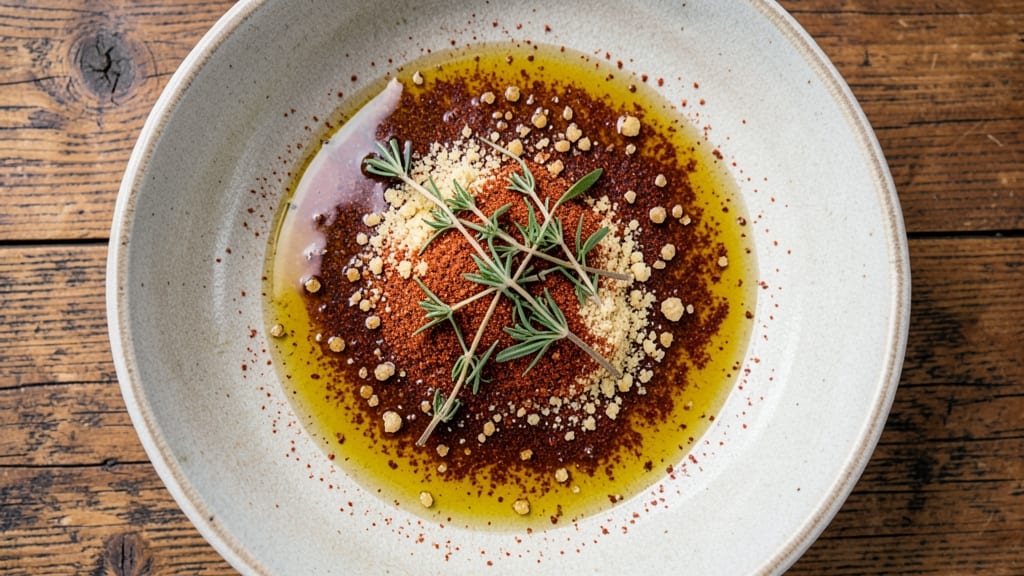
This chicken leg marinade recipe transforms ordinary meat into crispy-skinned, boldly flavored bites that stand up to any cooking method. The secret lies in balancing oils, acids, and spices to create a paste that tenderizes while building a flavorful crust—no matter how you cook the chicken afterward.
I developed this marinade after years of testing what works best for achieving that perfect crispy exterior without drying out the meat inside.
The foundation of this marinade is a blend of olive oil and vinegar, which work together to break down proteins while adding depth.
A mix of smoked paprika, garlic powder, and a touch of brown sugar creates a bold spice infusion that caramelizes beautifully during cooking, giving you that irresistible crispy skin.
The marinade is designed to be used for at least 4 hours (or overnight for maximum flavor), ensuring the chicken absorbs every layer of flavor.
What makes this marinade special is its versatility—it works equally well for grilling, baking, or air frying, always delivering that crispy skin you crave. The spices are balanced to complement rather than overpower, so the natural flavor of the chicken still shines through.
Whether you're preparing for a weeknight dinner or a weekend cookout, this marinade will elevate your chicken legs to restaurant-quality.
Use this marinade as a base and customize it with your favorite herbs or a dash of hot sauce for extra heat. The key is letting the chicken sit uncovered in the refrigerator while marinating, allowing the flavors to penetrate deeply.
Ready to take your chicken legs to the next level?
Ingredients for chicken leg marinade
Nine simple ingredients for a marinade that turns ordinary chicken legs into crispy, restaurant-quality bites.
| Ingredient | Amount | Notes |
|---|---|---|
| Extra-Virgin Olive Oil 🫒 | ½ cup | High quality, fruity variety |
| Apple Cider Vinegar 🍏 | ¼ cup | Balances oil for tenderizing |
| Smoked Paprika 🌶️ | 2 tbsp | For bold, smoky depth |
| Garlic Powder 🧄 | 1 ½ tbsp | Freshly ground preferred |
| Brown Sugar 🍯 | 1 tbsp | Enhances caramelization |
| Dried Thyme 🌿 | 1 tsp | Or fresh thyme at 3x amount |
| Ground Black Pepper 🌶️ | 1 tsp | Freshly cracked for best flavor |
| Kosher Salt 🧂 | 1 ½ tsp | Adjust to taste |
| Honey 🍯 | 1 tbsp | Optional for extra sweetness |
| Hot Sauce 🔥 | 1 tbsp | Optional for heat kick |
The olive oil and vinegar are your power duo here—they work together to break down the chicken’s proteins while adding that deep, savory foundation. Trader Joe's has great affordable olive oil, but if you can splurge, grab a bottle of California extra-virgin from the store’s premium section. The vinegar should be apple cider, not white—it adds subtle fruitiness that pairs perfectly with the smoky paprika. I always double-check the paprika’s smoke level; if it’s labeled 'hot smoked,' cut back slightly since it packs more heat than regular smoked paprika. The brown sugar might seem odd, but it’s what gives you that irresistible caramelized crust when you cook the chicken—don’t skip it!
No smoked paprika? Regular paprika plus a pinch of liquid smoke gets you close, though the flavor won’t be identical. Short on thyme? Dried oregano at half the amount works in a pinch, but fresh thyme is ideal if you’ve got it. Honey or hot sauce optional, but if you’re using both, start with just a teaspoon of each—you can always add more. The kosher salt is crucial; it balances all the flavors and helps build that crispy skin. Pro tip: if your vinegar smells funky, it’s time to replace it—good vinegar should have a clean, sharp aroma, not a sour or wine-like smell.
This marinade keeps for up to 2 weeks in the fridge, sealed in a jar. Shake it well before each use since the spices settle. For best results, marinate the chicken for at least 4 hours, but overnight is even better—just remember to pat the chicken dry before cooking for that perfect crispy skin. If you’ve got leftovers, freeze the marinade in ice cube trays for single-use portions. The flavors only get better as they meld together over time, so don’t rush it!
Why You'll Love This Recipe
- Five-Ingredient Magic: I swear by this combo—just oil, vinegar, paprika, garlic powder, and brown sugar. No fancy prep, no measuring cups that make you second-guess yourself. Honestly, I’ve made it blindfolded (okay, maybe not), and it still delivers every time.
- Smoky-Sweet Obsession: That smoked paprika and brown sugar? They’re the secret weapons—crispy edges with a caramelized sweetness that’ll have you licking the pan. The apple cider vinegar cuts through the richness, so it’s never heavy, just ridiculously good.
- Weeknight & BBQ Hero: Slather it on chicken legs for a weeknight dinner, toss them on the grill for summer gatherings, or even bake them for a lazy Sunday. Between us, this marinade turns dry store-bought chicken into the star of any meal—no one will guess it’s this simple.
- Leftovers That Don’t Suck: Marinate a big batch, cook once, and eat for days. The flavor only gets better as the chicken rests, and it reheats like a dream. Not the prettiest leftovers, but the taste makes up for it—always. (Yes, even on a Tuesday night.)
Step-by-step instructions for chicken leg marinade
This marinade delivers bold flavor and that coveted crispy skin every time.
Combine Wet Ingredients for Perfect Balance
In a medium bowl, whisk together the 0.5 cup extra-virgin olive oil and 0.25 cup apple cider vinegar. The vinegar helps tenderize the chicken while balancing the richness of the oil. You'll notice the mixture immediately emulsify slightly—this is normal and ensures even distribution of flavors.
Next, add the 1 tbsp honey and 1 tbsp hot sauce to the bowl. Stir well until fully incorporated. The honey adds subtle sweetness that caramelizes beautifully during cooking, while the hot sauce introduces a subtle heat that penetrates the meat. Let this mixture sit for 5 minutes while you prepare the dry ingredients—this gives the flavors a chance to meld slightly before combining everything.
Mix in Dry Seasonings for Maximum Flavor
Add the 2 tbsp smoked paprika, 1.5 tbsp garlic powder, 1 tbsp brown sugar, 1 tsp dried thyme, 1 tsp ground black pepper, and 1.5 tsp kosher salt to the wet mixture. Use a whisk or fork to break up any clumps in the spices, ensuring they distribute evenly throughout the marinade.
Here's the thing—don't be tempted to skimp on the salt. The 1.5 tsp kosher salt is crucial for both seasoning and helping the skin crisp up properly. Stir vigorously for 30 seconds until you have a smooth, well-combined marinade with no visible dry spots. The brown sugar will dissolve completely, creating a syrupy consistency that clings beautifully to the chicken.
Marinate Chicken Legs for Optimal Results
Place the chicken legs in a resealable plastic bag or shallow dish. Pour the marinade over the chicken, ensuring each piece is thoroughly coated. For best results, I like to turn the chicken legs several times to distribute the marinade evenly on all sides, including the crevices and skin.
Refrigerate the chicken for at least 4 hours, but I recommend marinating overnight for maximum flavor penetration. This extended time allows the acid in the vinegar to gently break down the muscle fibers, while the spices and oils infuse deeply. If you're short on time, a minimum 4-hour marinade will still yield excellent results—just don't skip this step entirely.
Prepare for Cooking (Don't Skip This!)
Before cooking, remove the chicken from the refrigerator and let it sit at room temperature for 30 minutes. This ensures even cooking and helps prevent the skin from tearing when you handle it. Pat the chicken legs dry with paper towels just before cooking—this crucial step removes excess moisture that would otherwise steam the skin instead of crisping it.
The marinade should be well-absorbed by now, but you'll still see some clinging to the surface. Don't rinse it off—those flavorful residues are what create that beautiful caramelized crust during cooking. When you're ready to cook, you'll want to use high heat for that crispy skin promise we're after.
Pro Tips For Making Chicken Leg Marinade
- Whisk, Don’t Stir: The vinegar and olive oil need to emulsify, not separate—give that marinade a good 30-second whisk with a fork or chopstick. I used to just stir it lazily, and the oil would pool on top like a sad little puddle. Now it clings to the chicken like it’s supposed to.
- Toast the Spices First: Heat your smoked paprika and garlic powder in a dry pan for 30 seconds until fragrant—it deepens the flavor without burning. I learned this after tasting a batch where the spices just tasted like dust. (Yes, even if you’re impatient like me.)
- Don’t Skip the Vinegar Rest: Let the apple cider vinegar sit in the marinade for at least 10 minutes before adding it to the oil mix—this mellows its sharpness. I once dumped it in fresh and ended up with chicken that tasted like a science experiment gone wrong.
- Use Wet Brown Sugar: Mix the brown sugar with 1 tablespoon of warm water before adding it to the marinade—it dissolves completely, so every bite gets that caramelized sweetness. Dry sugar just clumps and makes you question your life choices.
Essential equipment for great chicken leg marinade
Mixing Bowls
Start with a medium-sized mixing bowl (at least 8-inch diameter) for combining your marinade ingredients. I recommend using glass or ceramic bowls—they’re non-reactive and won’t absorb flavors like plastic.
For larger batches, a stainless steel bowl works great, but avoid aluminum since it can react with acids like vinegar. If you’re prepping for a crowd, consider a large rectangular dish (like a 9x13-inch Pyrex) for easier marinating later. 🥣
Whisk or Fork
A whisk is ideal for emulsifying the oil and vinegar, but a sturdy fork works just as well. If you’re using a whisk, I love the OXO Good Grips—it’s durable and easy to clean. For dry ingredients, a fork helps break up clumps more effectively than a spoon.
Pro tip: Use a small whisk for the initial wet ingredients, then switch to a larger one when adding spices to ensure everything blends smoothly. 🍴
Measuring Tools
Precision matters here, especially with spices and liquids. Use a liquid measuring cup for the olive oil and vinegar—they’re more accurate than pouring from the bottle. For dry ingredients like smoked paprika and garlic powder, a small measuring spoon set (like Westcott’s 16-piece) keeps things tidy.
I always double-check measurements since spices pack differently—tap the spoon gently to level off for consistency. 📏
Plastic Bags or Dish
For marinating, a resealable plastic bag (like Glad’s Gallon Freezer Bags) is my go-to—it lets you turn the chicken easily to coat evenly. If you prefer dishes, use a shallow glass or ceramic container (like a rectangular baking dish) to maximize surface area.
Avoid metal containers, as they can react with acidic marinades. For extra security, place the bagged chicken in a large bowl to catch any spills during refrigeration. 🧊
Thermometer (Optional but Helpful)
While not required for making the marinade, a meat thermometer (like Thermoworks Smoke) comes in handy later to ensure your chicken reaches 165°F internal temperature safely. If you’re grilling or baking, this prevents overcooking while guaranteeing juicy results.
For marinating specifically, a kitchen timer (set for 4 hours minimum) ensures you don’t forget about your chicken. ⏱️
Paper Towels
Before cooking, you’ll need paper towels to pat the chicken dry—this is non-negotiable for crispy skin. Use Bounty or Viva brands; they’re thick and absorbent enough to handle the job without tearing. Keep a stack nearby while marinating so you’re ready to go when the time comes.
Pro tip: Lay a clean kitchen towel under your chicken legs while they dry to catch drips and keep your counter clean. 🧻
Nutrition facts
Frequently asked questions
Can I use this marinade for other types of chicken?
Yes! This marinade works beautifully on chicken thighs, drumsticks, or even whole chicken pieces. The balanced spices and acidity help tenderize thicker cuts while creating crispy skin. For boneless breasts, reduce marinating time to 2-3 hours to avoid over-tenderizing. The smoky paprika and garlic make it versatile for any chicken dish.
How long can I store leftover marinade?
Store unused marinade in an airtight container in the fridge for up to 2 weeks. The flavors actually deepen over time, making it perfect for future batches. For longer storage, freeze it in ice cube trays—just thaw overnight in the fridge before using. Never refreeze thawed marinade to maintain quality.
What if I don't have smoked paprika?
No problem! Substitute with regular paprika plus ½ teaspoon liquid smoke for a similar smoky depth. Alternatively, use 1 teaspoon chili powder for heat without smoke. The brown sugar and honey will still create that caramelized crust—just adjust other spices to balance flavors. This marinade is flexible enough to handle substitutions.
Can I marinate chicken for too long?
While this marinade is safe for overnight marinating, avoid exceeding 24 hours—the acid can start breaking down the meat fibers too much, making it mushy. For best texture, stick to 4-12 hours. If you're short on time, even 2 hours will add noticeable flavor, though 4 hours minimum is ideal for maximum crispiness.
Why is my chicken skin not crispy after using this marinade?
Skipping the drying step is the #1 reason for soggy skin. Always pat chicken very dry with paper towels before cooking. Also ensure you're using high heat (like 450°F for baking or direct flame for grilling) and avoid covering while cooking. The brown sugar in the marinade needs heat to caramelize properly for that crispy texture.