
Main Courses
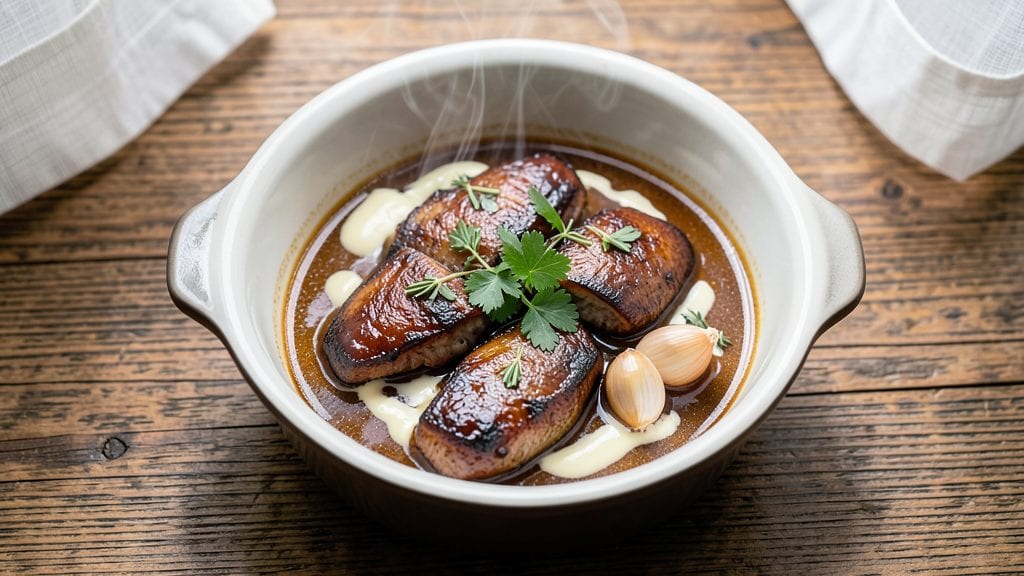
Mastering chicken liver recipe with crispy edges and velvety centers transforms these often-overlooked ingredients into a showstopping main course. After years of testing techniques—including my early kitchen disasters with burnt livers—I’ve perfected a method that removes bitterness while delivering restaurant-quality results at home.
The secret lies in proper preparation and a high-heat sear that creates that coveted contrast between crispy exterior and tender interior.
This recipe starts with soaking the livers in milk to mellow their natural intensity, then searing them in a screaming-hot pan with butter until golden brown. A herbed butter finish adds richness and depth, turning a simple protein into something extraordinary.
What makes this approachable is the 15-minute active prep time—ideal for weeknight dinners when you want to impress without spending hours in the kitchen.
By the time you plate these golden-brown livers with their herbed butter pooling around them, you’ll have a dish that feels luxurious yet remains grounded in home cooking. The crispy edges contrast beautifully with the buttery, tender centers, making every bite satisfying.
Pair with roasted potatoes or a simple green salad to complete the meal—this is comfort food elevated.
Whether you're serving this for a special occasion or a casual family dinner, the technique remains the same: proper preparation and confident searing. The result? A dish that proves even the most intimidating ingredients can become a crowd-pleaser with the right approach.
Let’s get cooking—this recipe delivers on flavor and texture every time.
Ingredients for chicken liver
Transform overlooked chicken livers into a luxurious dish with these carefully selected ingredients.
| Ingredient | Amount | Notes |
|---|---|---|
| Chicken Livers 🍗 | 1 lb | Fresh, trimmed of connective tissue |
| Whole Milk 🥛 | 1 cup | Full-fat preferred for soaking |
| Unsalted Butter 🧈 | ½ cup | European-style, cold for searing |
| Garlic Cloves 🧄 | 4 cloves | Minced, fresh for herbed butter |
| Fresh Parsley 🌿 | ¼ cup | Chopped, flat-leaf preferred |
| Fresh Thyme Leaves 🌿 | 1 tbsp | Chopped, organic if possible |
| Diamond Crystal Kosher Salt 🧂 | 1 tsp | Fine grain for seasoning |
| Freshly Ground Black Pepper 🌶️ | ½ tsp | Cracked peppercorns preferred |
| Extra-Virgin Olive Oil 🫒 | 1 tbsp | High-quality, for pan searing |
| Lemon Zest 🍋 | 1 tsp | From organic lemon, fine grated |
| All-Purpose Flour 🌾 | 2 tbsp | For dredging, fine texture |
| Fresh Chives 🌿 | 2 tbsp | Chopped, for garnish |
The quality of chicken livers makes all the difference—look for bright red, moist livers at your local butcher or specialty market like Whole Foods. Avoid any with grayish hues or an ammonia-like smell, as these indicate spoilage. Trim away any connective tissue or membranes before soaking. For optimal results, source livers from pasture-raised chickens, which tend to have a more delicate flavor. Costco often carries high-quality livers in bulk, making them cost-effective for frequent preparation. If using frozen livers, thaw them in milk overnight rather than water to preserve texture.
No full-fat milk? Heavy cream works in a pinch, though the texture may be slightly richer. For the herbed butter, European-style unsalted butter melts more cleanly than American varieties. Substitute fresh parsley with cilantro at half the amount, though the flavor profile will differ. If you lack fresh thyme, dried thyme at one-third the quantity suffices, but fresh is preferred for its aromatic intensity. The flour for dredging should be fine-milled to avoid a gritty texture—King Arthur brand is a reliable choice. For extra brightness, add a pinch of lemon juice to the milk soak if zest isn't available.
Store trimmed livers in an airtight container with a paper towel to absorb moisture, keeping them in the fridge for up to 2 days. The herbed butter mixture can be prepared ahead and stored in the refrigerator for 3 days or frozen for 3 months. For best results, sear the livers immediately after soaking to maintain their crispy exterior. Leftover cooked livers reheat beautifully in a skillet with a splash of milk or broth, though they're best enjoyed fresh. Portion the herbed butter into small ramekins for easy serving alongside the livers.
Why You'll Love This Recipe
- Pan-Fry Magic: I swear by this method—just sear the livers in butter until they’re golden, then finish with milk for that creamy texture. No fancy techniques, no stress, just hands-off cooking while you chop parsley or stir a side dish.
- Rich Umami Bomb: That first bite? The garlic and parsley cut through the richness of the livers while the milk adds a velvety finish. Honestly, it’s the kind of flavor that makes you pause mid-bite—like a little taste of a fancy bistro on a weeknight.
- Leftovers Reinvented: Turn extra livers into breakfast hash the next morning or stuff them into toasted bread with a fried egg. Between us, I’ve even thrown them into pasta sauce for an instant upgrade—because good food shouldn’t go to waste.
- Budget Game-Changer: Chicken livers are cheap, and this recipe stretches them further than you’d think. A pound feeds four, and the milk and butter make it feel indulgent without breaking the bank. My wallet and my family thank me every time.
Step-by-step instructions for pan-searing chicken livers
Master the technique for achieving perfectly crispy edges while keeping the centers tender and rich.
Prepare the Chicken Livers for Soaking
Rinse the 1 lb chicken livers under cold water and pat them thoroughly dry with paper towels. This step is critical—any moisture will prevent proper searing. Trim away any visible connective tissue or silver skin using a sharp knife, as these can make the livers tough.
Place the cleaned livers in a shallow dish and cover them completely with the 1 cup whole milk. Let them soak for 30 minutes at room temperature. This soaking process removes excess blood and bitterness while tenderizing the meat. Real talk: Skipping this step results in a stronger, more metallic flavor that even high heat can't mask.
Create the Herbed Butter and Season the Livers
In a small bowl, combine the 0.5 cup unsalted butter with the 4 cloves minced garlic cloves, 0.25 cup chopped fresh parsley, 1 tbsp chopped fresh thyme leaves, 1 tsp lemon zest, 1 tsp diamond crystal kosher salt, and 0.5 tsp freshly ground black pepper. Mix well until the butter is evenly coated with the herbed mixture. Form this into a log by rolling it between two sheets of parchment paper and refrigerate until ready to use.
Remove the livers from the milk and pat them dry once more. Dredge each liver lightly in the 2 tbsp all-purpose flour, shaking off any excess. This thin coating helps create a delicate crust during searing. I press down gently on the livers during the first minute of cooking—this prevents them from curling and ensures even contact with the pan.
Sear the Livers to Crispy Perfection
Heat a large skillet over medium-high heat and add the 1 tbsp extra-virgin olive oil. Allow the oil to shimmer but not smoke—this ensures proper heat distribution without burning the livers. Add the floured livers in a single layer, leaving space between each piece. Cook undisturbed for 2-3 minutes per side until they develop a deep golden-brown crust and release easily from the pan.
This is the moment that matters: The livers should be crispy on the outside while maintaining a tender, slightly pink center. If they stick, don't panic—add a splash of water and cover the pan for 30 seconds to steam them gently. Overcooking turns them rubbery, so watch closely. Transfer the seared livers to a warm plate and keep them covered to maintain heat.
Finish with Herbed Butter and Garnish
Return the skillet to medium heat and add the herbed butter log. Let it melt completely, scraping up any browned bits from the bottom of the pan. These bits add depth of flavor that transforms a simple dish into something extraordinary. Pour the melted butter over the seared livers, coating them evenly.
Garnish each serving with the 2 tbsp chopped fresh chives and serve immediately. The contrast of crispy edges, tender centers, and rich herbed butter creates a harmonious balance of textures and flavors. Pair with crusty bread or roasted potatoes to soak up every last bit of the pan sauce.
Pro Tips For Making Chicken Liver
- Trim the Gall Bladders: DESCRIPTION:
- Sear, Then Deglaze Fast: DESCRIPTION:
- Soak Livers in Milk: DESCRIPTION:
- Garlic in Butter Only: DESCRIPTION:
Serving suggestions for this dish
Classic Side Pairings
For a timeless presentation, serve your crispy chicken livers alongside creamy mashed potatoes—their buttery texture soaks up the herbed butter beautifully. I like using Yukon Gold potatoes boiled until tender, then mashed with ½ cup sour cream, 2 tbsp butter, and a pinch of salt.
The contrast between the smooth potatoes and crispy livers is pure comfort food magic. 🥔
Another crowd-pleaser is roasted fingerling potatoes tossed in olive oil, rosemary, and sea salt, roasted at 425°F until golden. Their crispy edges mirror the livers' texture while adding earthy depth.
For a lighter option, sautéed green beans with garlic and lemon zest brighten the plate without overpowering the main.
Bread for Soaking
Crusty bread is a must—I reach for a baguette or sourdough from my local bakery, sliced into thick pieces and toasted until golden. The bread's chewiness contrasts perfectly with the livers' tenderness, and it's ideal for mopping up the herbed butter sauce.
For an extra touch, brush the toasted bread with garlic-infused olive oil before serving.
Salad Balance
A simple arugula salad with shaved fennel, pomegranate seeds, and a lemon vinaigrette adds freshness to cut through the richness. The anise notes in fennel complement the thyme in the livers, while the pomegranate seeds add a pop of color and tartness.
For a heartier option, roasted beet salad with goat cheese and walnuts brings earthy sweetness to the plate.
Wine Pairings
I love pairing these livers with a dry Riesling—its crisp acidity and slight sweetness balance the richness of the butter and liver. For red wine lovers, a Pinot Noir from Oregon offers enough body to stand up to the dish without overpowering it.
Avoid heavy tannins like Cabernet Sauvignon, which can clash with the delicate flavors. 🍷
Dessert Contrast
End your meal with something light to reset your palate. A lemon sorbet or honeycomb ice cream cleanses the richness of the livers while adding a refreshing finish. For a more substantial option, dark chocolate-dipped strawberries provide a sweet-tart contrast that feels indulgent yet balanced.
The citrus notes in the dessert echo the lemon zest in the herbed butter, tying the meal together beautifully.
Nutrition facts
Frequently asked questions
Why do I need to soak chicken livers in milk?
The milk soak removes excess blood and bitterness while tenderizing the meat. Skipping this step leaves a stronger, metallic flavor that even high heat can't fully mask. For a quicker option, use 30 minutes in cold milk, but room temperature works best for even results.
How do I prevent chicken livers from curling during cooking?
Press down gently on the livers with a spatula during the first 1-2 minutes of cooking. This ensures even contact with the pan and prevents curling. A light flour dredge also helps create a delicate crust that holds their shape. Avoid moving them too soon—they need time to develop that crispy exterior.
Can I use chicken livers that are frozen?
Yes, but thaw them properly in milk (not water) overnight in the fridge. Frozen livers should be fully thawed before soaking to ensure even cooking. Never microwave them, as this can create uneven textures. For best results, use fresh livers when possible—they sear more consistently.
What's the best way to reheat leftover chicken livers?
Gently warm them in a skillet with a splash of milk or broth over low heat for 2-3 minutes. Avoid high heat, which can dry them out. Leftover livers are best used in dishes like pâtés or frittatas where texture isn't as critical. For maximum freshness, enjoy them the same day they're cooked.
How do I know when chicken livers are fully cooked?
They should reach an internal temperature of 145°F and have a deep golden-brown crust. The centers should be slightly pink but not bloody. Cut into one to check—if it looks pale pink throughout, they're done. Overcooking turns them rubbery, so watch closely during the last 30 seconds of searing.