
Sauces & Condiments
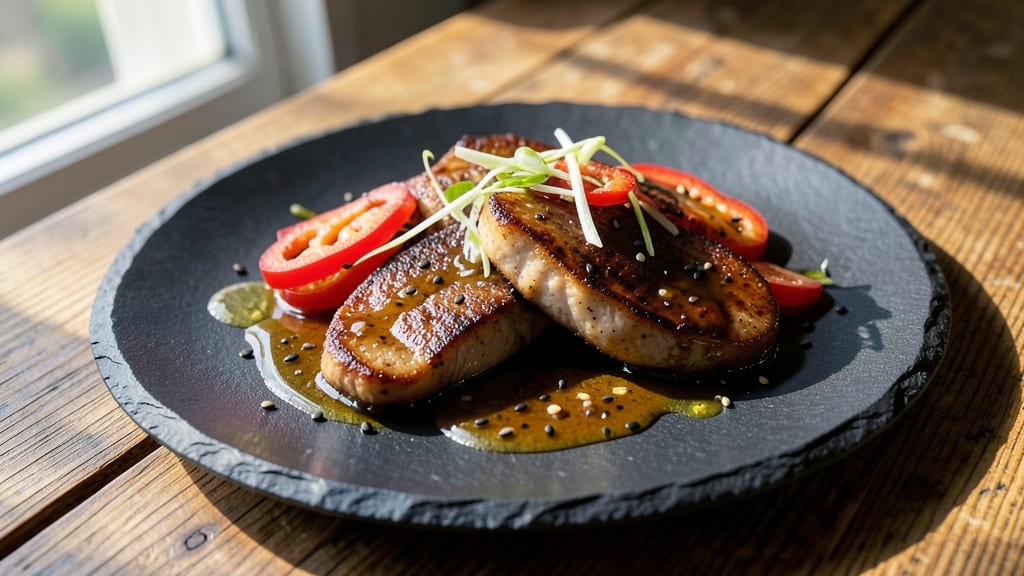
Cooking chicken liver with oyster sauce transforms this often-overlooked ingredient into a luxurious, umami-rich dish that rivals restaurant-quality preparations. The key lies in proper searing to eliminate bitterness while building a velvety pan sauce that clings to each tender bite—achievable in just 20 minutes with the right technique.
I developed this recipe after years of experimenting with different cooking methods, and the results speak for themselves: perfectly balanced flavors and a sauce so rich it feels like a celebration on a plate.
What sets this dish apart is the harmonious marriage of chicken liver's natural richness with oyster sauce's deep, savory notes. The process begins with a quick sear in a hot pan, which removes any potential bitterness while creating a flavorful crust.
Then, we deglaze with a splash of sherry or dry white wine, allowing the browned bits to lift into the sauce. This simple step elevates the dish from ordinary to extraordinary, creating a pan sauce that's both complex and approachable.
By the time you plate this dish, you'll have tender chicken livers with a glossy, caramelized exterior and a sauce that's perfectly balanced between sweet, salty, and umami. The texture is velvety yet substantial, with each bite delivering layers of flavor that linger.
This recipe proves that cooking chicken liver doesn't require special equipment or advanced skills—just attention to technique and quality ingredients.
The beauty of this preparation is its versatility—serve it alongside roasted vegetables for a complete meal, pair it with steamed jasmine rice for a comforting dinner, or even use it as a filling for dumplings.
The sauce's richness makes it equally at home in both traditional and modern settings. Let's create this umami masterpiece together.
Ingredients for chicken liver with oyster sauce
Transform ordinary chicken livers into a luxurious umami masterpiece with these carefully selected ingredients.
| Ingredient | Amount | Notes |
|---|---|---|
| Fresh Chicken Livers 🍗 | 1 lb | Trimmed of connective tissue |
| Extra-Virgin Olive Oil 🫒 | 2 tbsp | High smoke point preferred |
| Unsalted Butter 🧈 | 2 tbsp | Cold, cut into small cubes |
| Shallots 🧅 | 2 whole | Finely minced, about 2 tbsp |
| Garlic Cloves 🧄 | 4 cloves | Minced, not pressed |
| Dry Sherry 🍷 | ¼ cup | Or dry white wine substitute |
| Oyster Sauce 🦪 | 3 tbsp | High-quality, reduced variety |
| Soy Sauce 🍶 | 1 tbsp | Light or dark preferred |
| Honey 🍯 | 1 tbsp | Wildflower preferred |
| Diamond Crystal Kosher Salt 🧂 | ½ tsp | For seasoning |
| Freshly Ground Black Pepper 🌶️ | ¼ tsp | Coarsely ground |
| Fresh Parsley 🌿 | ¼ cup | Chopped, for garnish |
| Jasmine Rice 🍚 | 1 cup | Uncooked, long-grain |
The quality of chicken livers is paramount—look for vibrant, deep-red pieces with minimal connective tissue. Whole Foods Market or high-end butchers typically carry the freshest cuts, though most grocery stores stock them in the refrigerated section near other meats. Trim any visible connective tissue or fat before using, as these can impart bitterness. For the oyster sauce, Lee Kum Kee or Kikkoman premium varieties provide the richest umami depth, though any reputable brand will suffice. The shallots and garlic should be fresh, with no signs of sprouting or discoloration, as their sweetness balances the liver's natural richness. Store your livers in an airtight container in the coldest part of your fridge, and use within 2 days for optimal texture and flavor.
No sherry on hand? A dry white wine like Sauvignon Blanc or Pinot Grigio works beautifully as a substitute—just ensure it's bone dry with no residual sweetness. The honey in this recipe isn't just for sweetness; it helps caramelize the sauce for a deeper, more complex flavor profile. If you prefer a vegetarian alternative, vegetarian oyster sauce (made with mushrooms) can replace traditional oyster sauce, though the umami impact will differ slightly. For the rice, jasmine provides an aromatic base that complements the dish's richness, but basmati or even short-grain rice will work if that's what you have. The butter should be cold when added to create a luxurious sauce that clings beautifully to each tender bite—don't skip this step, as it's what transforms a simple pan sauce into something truly extraordinary.
This dish reheats beautifully, making it ideal for meal prep. Portion the cooked livers and sauce into airtight containers and store them in the refrigerator for up to 3 days, or freeze for 3 months in a single layer before transferring to a freezer bag. When reheating, gently warm over low heat with a splash of water or stock to restore moisture. The sauce thickens as it cools, so adding a few drops of water or a pat of butter when reheating ensures a silky texture. Garnish with fresh parsley just before serving to brighten the dish and add a pop of color that makes it feel restaurant-worthy.
Why You'll Love This Recipe
- One-Pan Magic: I swear by this recipe because it’s that simple—just sear the livers in olive oil and butter, toss in shallots and garlic, and let the oyster sauce do its thing. No chopping boards, no extra pans, just pure, satisfying ease.
- Umami Bomb: The oyster sauce transforms these livers into something ridiculously rich—salty, sweet, and deeply savory all at once. That crispy sear from the butter? It’s the perfect contrast to the velvety sauce.
- Weeknight or Dinner Party: Honestly, this recipe works for both: toss it together for a quick weeknight meal, or double the batch for a crowd. The flavors sing even when reheated, so it’s my go-to for lazy nights and when I’m actually trying to impress.
- Budget-Friendly Protein: Chicken livers are a steal, and this recipe stretches them far—leftovers reheat beautifully in stir-fries or over rice. I’ll be real: it’s one of those dishes where you end up making more than you planned, just because it’s so dang good.
Step-by-step instructions for chicken liver and oyster sauce
This method delivers silky chicken livers with a glossy, umami-rich sauce in under 20 minutes.
Prepare the Chicken Livers for Cooking
Begin by trimming any visible connective tissue or silver skin from the 1 lb fresh chicken livers using a sharp knife. This step is crucial—connective tissue makes the livers tough. Rinse the livers thoroughly under cold water and pat them completely dry with paper towels. The dry surface ensures proper searing.
Cut the livers into ½-inch thick slices. For even cooking, aim for uniform thickness. Place the sliced livers in a bowl and season generously with ½ teaspoon diamond crystal kosher salt and ¼ teaspoon freshly ground black pepper. Let them sit at room temperature for 10 minutes while you prepare the aromatics. This resting period helps the seasoning penetrate and prevents the livers from curling during cooking.
Sear the Chicken Livers in Butter and Olive Oil
Heat a large skillet over medium-high heat until it's hot but not smoking. Add 2 tablespoons extra-virgin olive oil and 2 tablespoons cold unsalted butter (cut into small cubes). Swirl the pan to coat the bottom evenly. The butter should foam and begin to sizzle—this indicates the pan is ready.
Working in batches to avoid overcrowding, add the seasoned chicken livers to the skillet. Press down gently on each piece with a spatula for 10 seconds to ensure even contact with the pan. Cook undisturbed for 1 minute per side until the livers develop a deep golden-brown crust. They should release easily from the pan when ready. Remove the livers to a plate and tent loosely with foil to keep warm. Repeat with remaining batches, adding more butter and oil if needed.
Build the Umami-Rich Pan Sauce
Reduce the heat to medium and add the 2 whole shallots (finely minced) to the same skillet. Cook for 2 minutes until softened and translucent, stirring occasionally. Add the 4 cloves garlic cloves (minced) and cook for 30 seconds until fragrant. The garlic should sizzle but not brown—this ensures it adds flavor without bitterness.
Pour in the ¼ cup dry sherry and scrape up any browned bits from the bottom of the pan with a wooden spoon. This deglazing step captures all the flavorful fond. Simmer for 2 minutes until the sherry reduces by half. Stir in the 3 tablespoons oyster sauce, 1 tablespoon soy sauce, and 1 tablespoon honey, then let the mixture simmer for 3 minutes until slightly thickened. The sauce should coat the back of a spoon with a glossy, velvety texture.
Finish the Dish and Serve
Return the seared chicken livers to the skillet and toss gently to coat them in the sauce. Cook for 1 minute to heat through and allow the flavors to meld. The livers should be tender but still hold their shape—overcooking will make them rubbery. Remove from heat and stir in the ¼ cup chopped fresh parsley for brightness.
Serve the chicken livers immediately over 1 cup cooked jasmine rice, spooning the sauce generously over the top. The dish should be rich, slightly sweet, and deeply savory, with a perfect balance of umami from the oyster sauce and a touch of acidity from the sherry. Garnish with an additional sprinkle of parsley for freshness.
Pro Tips For Making Chicken Liver With Oyster Sauce
- Trim and Soak: Chicken livers are blood-rich, so trim off any white connective tissue—it’s bitter and won’t soften. Give them a 15-minute soak in cold water with a splash of vinegar (or lemon juice) to draw out impurities. I learned this the hard way after serving a batch that tasted metallic.
- Start High, End Low: Sear the livers in olive oil over maximum heat for 30 seconds per side—they’ll release juices and develop a crust. Then lower to medium and finish cooking; rushing this step turns them rubbery. Yes, even if you’re impatient like me.
- Butter Matters: Use unsalted butter for the sauce, but don’t skimp—2 tablespoons per pound of livers guarantees a glossy finish. Add it in the last minute of cooking so it melts into the aromatics instead of burning. (Your future self will notice the difference.)
- Shallots First: Sweat the shallots in olive oil for 5 minutes before adding garlic—this softens their sharpness and prevents burning. If you’re short on time, pulse them in a food processor until finely chopped; they’ll release flavor faster. (Does it look weird? Yes. Does it work? Every single time.)
Regional styles of chicken liver with oyster sauce
Cantonese-Inspired Style
In Cantonese cuisine, chicken liver with oyster sauce is often served as a luxurious dim sum accompaniment or elegant banquet dish.
The key difference lies in the sauce preparation—I use 1 tablespoon of Shaoxing wine instead of sherry for deeper complexity, and reduce the oyster sauce to a thicker, glossier consistency by simmering it longer. Garnish with crispy fried shallots and a sprinkle of toasted sesame seeds for texture contrast.
Serve over steamed rice noodles for a true Cantonese twist. 🍜
Hong Kong Street Food Twist
Hong Kong street vendors often prepare this dish with a smoky char, using charcoal grills instead of stovetop searing. For a home version, sear the livers in a cast-iron skillet until deeply caramelized, then finish with a splash of light soy sauce and a pinch of five-spice powder.
Serve in steamed buns or with pickled vegetables for that iconic street food balance of sweet, salty, and tangy. The five-spice adds warmth that complements the umami sauce beautifully. 🌶️
Modern Fusion Approach
For a contemporary take, I blend 1 teaspoon of miso paste into the oyster sauce for an extra layer of depth. Add roasted fingerling potatoes and caramelized onions to the pan after searing the livers, then finish with a drizzle of truffle oil and microgreens.
This fusion style keeps the traditional flavors intact while adding a gourmet touch that feels fresh and exciting. The miso enhances the umami without overpowering the delicate liver. ✨
Southern Chinese Home-Style
In Southern Chinese households, this dish often includes dried shiitake mushrooms rehydrated in the sauce for added earthiness. I simmer 2 slices of dried shiitake with the shallots and garlic, then strain them out before adding the oyster sauce.
The mushrooms lend a meaty texture and subtle sweetness that rounds out the dish. Serve with sticky rice and a side of quick-pickled cucumbers for a comforting, homey meal. 🍄
Japanese-Inspired Yakitori Style
For a Japanese-inspired version, marinate the chicken livers in 1 tablespoon of mirin and 1 teaspoon of sake for 15 minutes before searing. After cooking, brush the livers with a reduced soy-glaze (mix 1 tablespoon soy sauce, ½ tablespoon mirin, and ½ teaspoon sugar).
Serve on skewers with grilled leeks and a side of steamed bok choy. The mirin adds a subtle sweetness that pairs perfectly with the umami-rich sauce. 🍢
Korean BBQ Adaptation
In Korean BBQ culture, chicken livers are often cooked with gochujang for heat. For this adaptation, add 1 teaspoon of gochujang and ½ teaspoon of gochugaru (Korean chili flakes) to the sauce. Finish with a drizzle of sesame oil and toasted sesame seeds.
Serve with ssamjang (a spicy dipping sauce) and lettuce wraps for a bold, flavorful dish that’s perfect for sharing. The gochujang adds a fiery kick that balances the richness of the oyster sauce. 🔥
Nutrition facts
Frequently asked questions
Why do chicken livers sometimes taste bitter?
Chicken livers can taste bitter due to blood or connective tissue left on them. Always trim off any visible connective tissue and silver skin before cooking. The searing step in this recipe is critical—it removes bitterness by caramelizing the surface while keeping the interior tender.
Can I substitute oyster sauce with something else?
Yes! For a vegetarian option, use 1 tablespoon soy sauce + 1 teaspoon mushroom powder + ½ teaspoon sugar to mimic umami. If you prefer a deeper flavor, try 1 tablespoon fish sauce (for non-vegetarian) combined with ½ tablespoon honey—just reduce the soy sauce slightly to balance saltiness.
How do I prevent chicken livers from curling while cooking?
Pat the livers completely dry before seasoning and let them sit at room temperature for 10 minutes. Use a heavy skillet and press down gently with a spatula for 10 seconds at the start to flatten them. Avoid overcrowding the pan—cook in batches if needed to maintain even heat.
What’s the best way to reheat leftover chicken liver with oyster sauce?
Reheat gently in a skillet over low heat with a splash of water or stock to restore moisture. Cover the pan to prevent drying out. Never microwave—it makes the livers rubbery. For extra richness, add a pat of butter or a drizzle of oyster sauce while reheating.
Can I use frozen chicken livers for this recipe?
Frozen livers work, but thaw them in the refrigerator overnight first. Never thaw at room temperature—this can cause uneven cooking. After thawing, pat them completely dry and follow the same preparation steps as fresh livers for best results.