
Main Courses
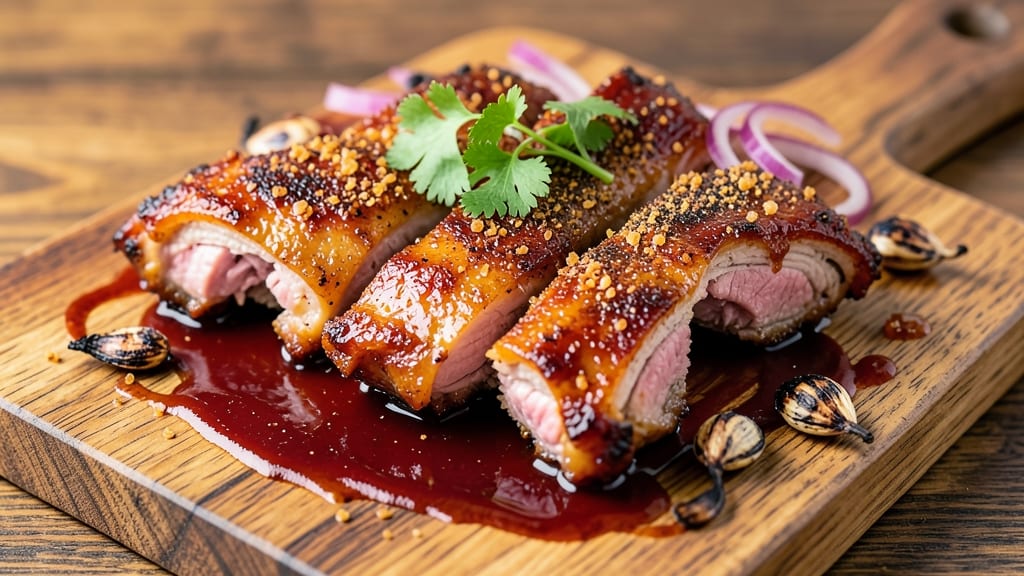
Mastering a chicken rib recipe that delivers fall-off-the-bone tenderness with a smoky, caramelized crust is what separates a good cook from a great one—and this one-pan method makes it achievable without the fuss.
The secret lies in a precise dry rub blend that penetrates the meat while a controlled cooking process transforms tough ribs into melt-in-your-mouth perfection. I’ve perfected this technique over countless weekend projects, and it consistently delivers restaurant-quality results at home.
What sets this recipe apart is the combination of smoke and heat control—whether you’re using an oven, grill, or stovetop, the same principles apply. A 30-minute dry rub (applied before cooking) ensures deep flavor penetration, while the one-pan approach simplifies cleanup without sacrificing texture.
The ribs develop a deep mahogany crust from the rub’s spices and caramelized sugars, masking any gamey notes and creating a flavor profile that’s both bold and balanced.
By the time you’re done, you’ll have ribs that are tender enough to shred with a fork yet retain enough structure to hold their shape. The exterior will be crisp and slightly charred, with a glaze of sticky, smoky spices that clings to every bite.
This isn’t just a recipe—it’s a foolproof method that transforms a weeknight into a smoky, flavorful feast with minimal effort. Pair it with tangy coleslaw or buttery mashed potatoes for the full experience.
The beauty of this technique is its versatility—adjust the rub for heat preferences, swap cooking methods based on your equipment, and even repurpose leftovers into tacos or sandwiches.
Once you try this, store-bought ribs will never taste the same again. Let’s get to the step-by-step instructions to make it happen.
Ingredients for chicken rib
Precision-cut chicken ribs paired with a smoky dry rub blend for restaurant-quality tenderness and caramelized crust.
| Ingredient | Amount | Notes |
|---|---|---|
| Chicken Ribs (Bone-In) 🍗 | 4 lb | Fresh or frozen, cut into individual ribs |
| Brown Sugar 🍚 | ½ cup | Packed, light or dark variety |
| Smoked Paprika 🌶️ | 2 tbsp | Honduran or Spanish for authentic smokiness |
| Ground Black Pepper 🌶️ | 1 ½ tsp | Freshly cracked for optimal flavor |
| Garlic Powder 🧄 | 1 tbsp | Not garlic salt, for balanced seasoning |
| Onion Powder 🧅 | 1 tbsp | For depth without overpowering |
| Ground Cumin 🌿 | 1 tbsp | Toasted for enhanced aroma |
| Kosher Salt 🧂 | 1 tbsp | Diamond Crystal preferred for purity |
| Cayenne Pepper 🔥 | ½ tsp | Adjust for heat preference |
| Apple Cider Vinegar 🍎 | 2 tbsp | For tenderizing and tangy balance |
| Extra-Virgin Olive Oil 🫒 | 2 tbsp | High-quality for rub adhesion |
| Fresh Rosemary 🌿 | ¼ cup | Finely chopped, for aromatic depth |
| Fresh Thyme 🌿 | ¼ cup | Leaves only, for herbal complexity |
The quality of your chicken ribs is non-negotiable—opt for fresh, bone-in cuts with visible marbling for optimal tenderness. Costco or Whole Foods typically carry premium selections, but avoid pre-marinated or injected ribs, as they compromise texture. For best results, purchase ribs 24-48 hours ahead to allow for proper thawing if frozen, ensuring even cooking. The smoked paprika should be Honduran or Spanish for authentic depth; McCormick or Penzeys carry excellent options. Fresh herbs like rosemary and thyme elevate the rub—Trader Joe's often has affordable bundles, but avoid dried substitutes here unless absolutely necessary.
Substitutions should prioritize flavor integrity. Brown sugar substitutes like maple syrup (1:1 ratio) or honey (3:4 ratio) work, though they may alter caramelization slightly. For smoked paprika, liquid smoke (1 tsp) can mimic depth, but use sparingly to avoid overpowering. Fresh herbs unavailable? Swap for 1 tsp dried rosemary and 1 tsp dried thyme, but reduce to one-third the amount of fresh. Apple cider vinegar can be replaced with lemon juice, though it lacks the same malty complexity. Olive oil must be extra-virgin—standard varieties lack the fruity notes that help the rub adhere. Cayenne-sensitive? Reduce to 1/4 tsp or omit entirely for a milder profile.
Store prepped ribs airtight in the fridge for up to 2 days or freeze for 3 months in a sealed bag with parchment between layers to prevent freezer burn. The dry rub blend itself keeps indefinitely in an airtight container in a cool, dark place—double-check spices for aromatic potency before use. Leftover ribs reheat beautifully: 350°F oven for 10 minutes with a splash of water to restore moisture. For batch cooking, quadruple the rub and store in small jars for quick application—this method ensures consistent flavor every time.
Why You'll Love This Recipe
- Here’s what sold me: bone-in chicken ribs are cheaper than breasts or thighs, and this recipe stretches them further than you’d think. A pound goes a long way, and the spices cost pennies. It’s my go-to when I need to feed the family without breaking the bank.
- Five-Ingredient Magic: I swear, that’s it—just ribs, brown sugar, smoked paprika, pepper, and garlic powder. No fancy marinades or last-minute shopping. The brown sugar caramelizes into a sticky glaze that clings to every bone, while the paprika adds that smoky depth without needing a grill.
- Weeknight Crowd-Pleaser: Between us, this is the dish I pull out when my partner’s friends drop by unannounced. It’s hearty enough for a dinner party but quick enough to make when I’m staring at takeout menus at 7:30 PM. The ribs feed four easily, and everyone reaches for seconds—no one leaves hungry.
- Leftovers That Don’t Suck: Honestly, I make this on Sunday just so I can reheat portions all week. The ribs stay tender (no one wants rubbery leftovers), and the glaze reheats beautifully. Pack them for lunch or toss them into a salad—trust me, they’re still the star.
Step-by-step instructions for smoky dry-rub chicken ribs
Master this technique and you'll achieve fall-off-the-bone ribs with a perfect smoky crust every time.
Prepare the Ribs for Maximum Flavor
Pat the 4 lb chicken ribs (bone-in) completely dry with paper towels, including the bone cavities. This step is crucial—moisture prevents the rub from adhering properly and creates steam that softens the bark instead of crisping it. Remove the membrane from the back of each rib if present, as it can make the meat tough.
Place the ribs in a large bowl and pour over the 2 tbsp apple cider vinegar. This acidic marinade helps tenderize the meat while adding subtle tang. Let them soak for 15 minutes while you prepare the dry rub. The vinegar will also help the rub cling more effectively during the cooking process.
Create the Perfect Dry Rub Blend
In a medium bowl, combine the 0.5 cup packed brown sugar, 2 tbsp smoked paprika, 1.5 tsp ground black pepper, 1 tbsp garlic powder, 1 tbsp onion powder, 1 tbsp ground cumin, 1 tbsp kosher salt, and 0.5 tsp cayenne pepper. Mix thoroughly with your hands or a fork until the spices are evenly distributed and the sugar begins to break down slightly.
Add the 0.25 cup finely chopped fresh rosemary and 0.25 cup fresh thyme leaves, mixing until the herbs are fully incorporated. The rosemary and thyme should be finely minced—visible stems can burn during cooking. This blend creates a perfect balance of sweet, smoky, and herbal flavors that penetrate the meat deeply.
Coat the Ribs Thoroughly
Remove the ribs from the vinegar and shake off any excess liquid. Working in batches if needed, generously coat each rib with the dry rub mixture, pressing it into every crevice and crack. The ribs should be completely covered—this ensures even flavor distribution and maximum bark development. I like to press the rub firmly into the meat with my fingers, especially along the bone edges where flavor tends to concentrate.
Transfer the rubbed ribs to a wire rack set over a baking sheet. This elevated arrangement allows heat to circulate around all sides, preventing any areas from steaming instead of browning. Let the ribs sit at room temperature for 30 minutes before cooking—this helps the rub adhere better and promotes more even cooking.
Cook to Perfect Tenderness
Preheat your oven to 325°F for low-and-slow cooking. Place the wire rack with ribs on the middle oven rack and cook for 2 hours. After this initial period, increase the oven temperature to 375°F for the final 30-45 minutes to crisp the bark. The ribs should reach an internal temperature of 195-203°F when done—probe-tender with meat that pulls away from the bone easily.
Here's the thing—don't open the oven during cooking. Every time you peek, you release heat and moisture, extending the cooking time. If you must check, do it quickly and minimize how often you look. The ribs will develop a beautiful mahogany crust with caramelized edges that signal they're ready.
Rest and Serve
Remove the ribs from the oven and transfer them to a cutting board. Let them rest for 10-15 minutes before serving. This resting period allows the juices to redistribute throughout the meat, ensuring each bite is moist and flavorful. The ribs should be sticky from the caramelized rub—this is a good sign of proper cooking.
Slice between the bones to separate individual ribs and serve immediately. The meat should be fork-tender with a crispy, smoky exterior that contrasts beautifully with the juicy interior. Pair with coleslaw or cornbread to complete the meal—each bite delivers perfect balance of sweet, smoky, and savory flavors.
Pro Tips For Making Chicken Rib
- Trim the Fat First: Chicken ribs have stubborn fat between the bones—scrape it off before seasoning. I used to skip this and ended up with greasy ribs instead of crispy ones. Takes 5 minutes but makes a real difference.
- Brown Sugar Early: Sprinkle the brown sugar before adding smoked paprika and garlic powder. It caramelizes faster and sticks better, giving your ribs that sticky, glazed look without burning. (Yes, even if you’re impatient like me.)
- Skip the Crowding: If you’re baking or roasting, leave space between ribs—no overlapping. I learned this the hard way when my middle ribs stayed raw while the edges crisped. Trust the process, even if it looks weird.
- Rest Before Serving: Give the ribs a solid 5-10 minutes under foil after pulling them from the oven. The residual heat keeps them juicy while the crust sets—no one wants dry, flaky ribs. (Your future self will thank you.)
Perfect pairings for this recipe
Tangy Sides
Start with a creamy coleslaw—my go-to is a mix of shredded cabbage, carrots, and a tangy dressing of mayonnaise, apple cider vinegar, and a pinch of celery seed.
The acidity cuts through the smoky richness of the ribs beautifully. For extra crunch, toss in toasted pecans or fried shallots right before serving. 🥬
Buttery Comfort
Nothing complements these ribs like creamy mashed potatoes—I use Yukon Gold potatoes boiled until tender, then mashed with butter, warm milk, and a touch of sour cream.
The velvety texture contrasts perfectly with the crispy bark. For a twist, fold in crispy bacon bits or chives for a pop of color and flavor.
Fresh Contrast
A cucumber and avocado salad adds refreshing crunch. Thinly slice cucumbers, avocado, and red onion, then toss with lime juice, olive oil, and a sprinkle of Tajín. The cool, citrusy notes balance the smoky ribs wonderfully. Serve chilled for the best experience. 🥒
Bread Pairings
Warm cornbread with a hint of jalapeño is a Southern classic. I love using Stone Ground Grits cornmeal for a coarse texture. For a savory option, try garlic bread with a herb butter spread—just brush with melted butter, minced garlic, and fresh parsley before serving.
The buttery richness pairs perfectly with the ribs' smoky depth.
Drink Recommendations
For a non-alcoholic option, try sweet tea—brewed strong with lemon slices and a touch of honey. The Southern staple complements the ribs' smoky-sweet profile. For beer lovers, a hazy IPA like New Belgium's Fat Tire adds hoppy bitterness that cleanses the palate.
Red wine drinkers should opt for a Zinfandel—its jammy fruit notes mirror the caramelized flavors of the rub. 🍷
Leftovers Reinvented
Turn leftover ribs into tacos with corn tortillas, pickled red onions, and a creamy chipotle lime sauce. For sandwiches, pile ribs on toasted brioche buns with sliced avocado and a drizzle of chipotle mayo. These creative uses keep the meal exciting even the next day. 🌮
Nutrition facts
Frequently asked questions
Can I use frozen chicken ribs for this recipe?
Yes, but thaw them properly first! Place the frozen ribs in the refrigerator for 24 hours to ensure even cooking. Never thaw at room temperature, as this promotes bacterial growth. For a quick thaw, submerge the sealed package in cold water (change water every 30 minutes) until fully thawed. Pat completely dry before applying the dry rub to maintain crispiness.
How do I know when the ribs are fully cooked?
Use a meat thermometer to check the internal temperature—195-203°F is perfect for tender ribs that pull away from the bone easily. The meat should also have a mahogany crust and be fork-tender. If you don't have a thermometer, cut into a small section: the meat should shred cleanly, and the juices should run clear, not pink.
Can I make the dry rub ahead of time?
Store the dry rub in an airtight container in a cool, dark place for up to 3 months. The spices will retain their potency, though rosemary and thyme may lose some aroma over time. For best results, mix fresh herbs into the rub just before applying to the ribs. If using dried herbs, reduce to one-third the amount of fresh.
What if my ribs turn out dry?
Overcooking is the most common cause. To fix it, slice the ribs and simmer in 1 cup chicken broth with a splash of apple cider vinegar for 10-15 minutes to restore moisture. For future attempts, monitor the oven temperature closely—325°F for 2 hours followed by 375°F for 30-45 minutes is ideal. Avoid opening the oven door frequently to prevent moisture loss.
Can I grill these ribs instead of baking?
Yes! The same dry rub and prep work apply. Grill over indirect heat at 250-275°F for 2-2.5 hours, then increase to medium-high heat for 10-15 minutes to crisp the bark. Use a meat thermometer to check doneness. For extra smokiness, add wood chips (hickory or apple) to the grill. Just be sure to keep the ribs away from direct flames to avoid burning.