
Side Dishes
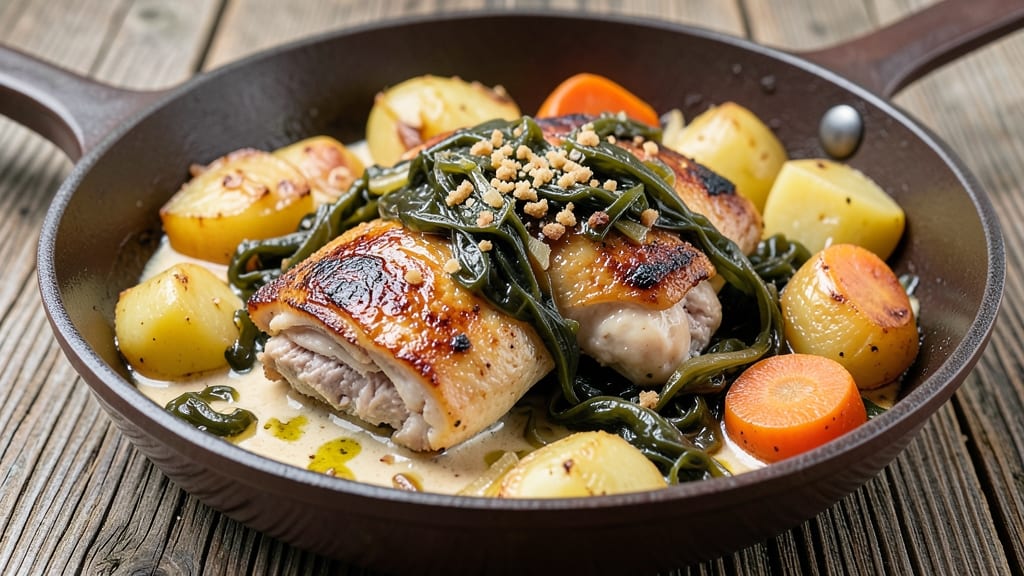
This chicken sauerkraut and potatoes recipe delivers the hearty, comforting flavors of a German-inspired one-pan meal that’s perfect for family dinners or casual gatherings. The tangy punch of sauerkraut pairs beautifully with tender chicken and crispy potatoes, creating a dish that’s both satisfying and simple to prepare.
Growing up in small-town Georgia, I learned that the best meals often start with bold flavors and minimal effort—this recipe is no exception.
The secret to this dish lies in balancing textures and flavors: pan-fried chicken stays juicy while absorbing the sauerkraut’s tang, and the potatoes develop a crispy exterior with a tender center.
I’ve perfected this method over years of cooking for crowds, ensuring every bite delivers that perfect harmony of savory, tangy, and slightly sweet notes.
It’s the kind of meal that feels like a hug on a plate, especially when served with a dollop of sour cream or a sprinkle of fresh dill.
What makes this recipe stand out is its versatility—it works as a standalone dinner or alongside roasted vegetables for a full spread. The one-pan approach means less cleanup, and the flavors only deepen as the dish sits, making it ideal for meal prep or last-minute dinners.
Whether you’re recreating a classic German Kasseler or putting your own Southern twist on it, this recipe is your ticket to a restaurant-quality meal at home.
For those who love hearty, flavorful dishes, this is a game-changer. The chicken stays moist, the sauerkraut adds that essential tang, and the potatoes bring the perfect crunch.
It’s the kind of recipe that gets better with each serving, and once you try it, you’ll never go back to store-bought versions. Let’s get cooking!
Ingredients for chicken sauerkraut potato
Hearty flavors in one pan—chicken stays juicy, potatoes get crispy, and sauerkraut brings that tangy magic.
| Ingredient | Amount | Notes |
|---|---|---|
| Boneless, Skinless Chicken Thighs 🍗 | 1 ½ lb | Cut into bite-sized pieces |
| Russet Potatoes 🥔 | 2 lbs | Cut into 1-inch chunks |
| Sauerkraut (Jarred) 🥬 | 2 cups | Drained, rinsed lightly |
| Heavy Cream 🥛 | ½ cup | Full-fat for richness |
| Carrots 🥕 | 3 medium | Peeled, sliced into rounds |
| Yellow Onion 🧅 | 1 whole | Diced, medium size |
| Garlic Cloves 🧄 | 4 cloves | Minced, fresh preferred |
| Dijon Mustard 🍯 | 1 tbsp | For tangy depth |
| Apple Cider Vinegar 🍏 | 1 tbsp | Enhances sauerkraut flavor |
| Dried Thyme 🌿 | 1 tsp | Or 1 tbsp fresh |
| Bay Leaves 🍃 | 2 whole | Remove before serving |
| Salt 🧂 | 1 ½ tsp | Kosher or sea salt |
| Black Pepper 🌶️ | ½ tsp | Freshly cracked |
| Olive Oil 🫒 | 3 tbsp | Extra-virgin preferred |
| Fresh Dill 🌿 | ¼ cup | Chopped, for garnish |
The chicken thighs are the star here—bone-in, skin-on if you can find them, but boneless works too. Trader Joe's and Costco always have great prices on bulk chicken. Look for thighs with some fat marbling; that’s what keeps them juicy. The potatoes? Russets are ideal—they brown beautifully and hold up to the long cooking time. I usually grab a 5-pound bag and cut them all at once, storing the extras in the fridge for another meal. The sauerkraut should smell tangy and fresh, not sour or off—jarred brands like Bubbies or Homestyle are my go-tos, but any quality sauerkraut will work.
No fresh dill? Dried dill at one-third the amount gets you close, though fresh is definitely better. Short on heavy cream? Half-and-half or whole milk works, but the dish won’t be quite as rich. The Dijon mustard adds depth—no substitute here, but if you’re out, a splash of extra apple cider vinegar helps. Carrots can be swapped for parsnips or celery if you’re feeling fancy. And if you’ve got smoked paprika, toss in a pinch—it adds a smoky note that pairs perfectly with the sauerkraut. The garlic? Fresh is non-negotiable—jarred minced garlic just doesn’t cut it in this dish.
This dish tastes even better the next day—make extra and save half for lunch. Keeps in the fridge for 4-5 days, and freezes beautifully for 3 months. I like to portion it into containers with a little extra sour cream on top for easy lunches. The potatoes get crispier as they sit, so if you’re reheating, pop them under the broiler for a minute to revive that crunch. And if you’ve got leftovers, a sprinkle of fresh dill and a drizzle of extra olive oil turns it into a killer breakfast hash the next morning.
Why You'll Love This Recipe
- One-Pan Magic: I swear by this recipe when I’m too tired to wash dishes. Toss everything—chicken, diced potatoes, carrots, and that tangy sauerkraut—onto one sheet pan, roast it all together, and boom. Less cleanup than a puzzle with more pieces.
- Tangy Creamy Dream: The sauerkraut’s sharp bite cuts through the richness of the heavy cream, while the crispy chicken thighs add that perfect contrast. Honestly, it’s the kind of dish that makes you go back for seconds without even trying.
- Leftovers for Days: This recipe actually improves the next day. The potatoes soak up all the juices, the chicken gets even more tender, and I’ve been known to pack it for lunch—no one complains, not even my picky teenager.
- Budget-Friendly Feast: Chicken thighs and potatoes stretch this meal across the whole family, and jarred sauerkraut? That’s a game-changer for flavor without breaking the bank. I’ve made this for $12 and fed four people—twice.
Step-by-step instructions for chicken sauerkraut and potatoes
This hearty German-inspired dish comes together effortlessly in one pan—rich flavors and tender textures guaranteed.
Sear the Chicken in Olive Oil
Heat 3 tablespoons olive oil in a large Dutch oven over medium-high heat until shimmering. Pat the 1.5 lb boneless, skinless chicken thighs dry with paper towels—this ensures a perfect sear. Add the chicken pieces in a single layer, leaving space between them. Let them cook undisturbed for 4-5 minutes until golden brown on one side.
Flip the chicken and cook another 4-5 minutes until deeply browned and cooked through. The chicken should reach an internal temperature of 165°F when checked with a meat thermometer. Remove the chicken and set it aside on a plate, leaving the rendered oil in the pot—it's packed with flavor for the next steps.
Sauté Vegetables and Sauerkraut
In the same Dutch oven, add the 1 whole yellow onion and 3 medium carrots (peeled and sliced into rounds). Cook over medium heat for 5 minutes, stirring occasionally, until the onions soften and the carrots begin to caramelize. Add the 4 cloves garlic cloves and cook for 30 seconds until fragrant—don't let it burn, or it'll turn bitter.
Stir in the 2 cups sauerkraut (jarred), which has been drained and rinsed lightly. Add the 1 tbsp apple cider vinegar, 1 tbsp Dijon mustard, 1 tsp dried thyme, 2 whole bay leaves, 1.5 tsp salt, and 0.5 tsp black pepper. Toss everything together and cook for 3-4 minutes until the sauerkraut softens slightly and the flavors meld. The mixture should smell tangy and aromatic—this is where the magic happens.
Simmer Potatoes in the Flavorful Base
Add the 2 lbs russet potatoes (cut into 1-inch chunks) to the Dutch oven, stirring to coat them evenly in the sauerkraut mixture. Pour in 2 cups water and bring the mixture to a gentle simmer over medium heat. Cover the pot and let it cook for 15 minutes, stirring occasionally, until the potatoes are tender when pierced with a fork.
Here's the thing—don't peek too often. Every time you lift the lid, you lose heat and steam, which can make the potatoes tough. Instead, trust the process and let the potatoes cook undisturbed. If the liquid reduces too much before the potatoes are done, add a splash of water to keep everything moist.
Finish with Cream and Fresh Dill
Once the potatoes are tender, stir in the 0.5 cup heavy cream and the chicken pieces. Simmer uncovered for 5 minutes on medium heat, allowing the cream to thicken slightly and coat the chicken and potatoes. The sauce should be creamy but not overly thick—if it's too stiff, add a splash of water or broth to loosen it.
Remove the 2 whole bay leaves before serving. Sprinkle the dish with 0.25 cup fresh dill and give it a final taste. Adjust the seasoning if needed—this is your chance to balance the tanginess of the sauerkraut with extra salt or a squeeze of lemon if you're feeling fancy. The dish should be rich, savory, and perfectly balanced.
Pro Tips For Making Chicken Sauerkraut Potato
- Parboil Potatoes First: I learned this the hard way—skipping the parboil means your russets turn to mush instead of fluffy, creamy bites. Cut them into even chunks, boil in salted water for 5 minutes, then drain. The starch washes off, and they’ll absorb the sauerkraut and cream without falling apart.
- Brown Chicken in Batches: Crowd the pan, and your chicken stays soggy. Use a 12-inch skillet and cook thighs in two batches over medium-high heat until golden—about 5 minutes per side. The crust locks in flavor, and you won’t end up with a stew instead of a dish.
- Drain and Rinse Kraut: Jarred sauerkraut is packed in brine, which dilutes the dish if you don’t handle it right. Drain it in a colander, then rinse briefly under cold water to mellow the acidity. Pat it dry with a towel—wet kraut steams instead of caramelizing.
- Simmer Cream Low and Slow: Heavy cream scalds faster than you think. After adding it to the pot, reduce heat to low and let it warm through for 3–4 minutes, stirring often. Rush it, and you’ll end up with scrambled eggs instead of a silky sauce. (Yes, even if you’re impatient like me.)
Storing and reheating your leftovers
Refrigerator Storage
This dish keeps beautifully in the fridge for 4-5 days, with flavors deepening as the sauerkraut and potatoes meld together. I transfer leftovers to a glass Pyrex dish with a tight-fitting lid—I swear by these for even reheating.
The potatoes will firm up slightly, so add a splash of water or broth when reheating to restore moisture. Store the chicken separately if you prefer it extra juicy upon reheating. 🥫
Freezer-Friendly Prep
For long-term storage, freeze portions in airtight freezer bags or glass containers with 1-inch headspace to prevent ice crystals. This recipe freezes for up to 3 months without losing texture.
Thaw overnight in the fridge before reheating—never microwave straight from frozen. I like to portion individual servings for easy grab-and-go meals during busy weeks. ❄️
Stovetop Reheat Method
My preferred way to revive leftovers is on the stovetop. Heat a splash of water or chicken broth in a skillet over medium heat, then add the dish and cover for 8-10 minutes, stirring occasionally.
The potatoes will crisp up beautifully while the chicken stays tender. For extra richness, stir in 1 tablespoon heavy cream at the end. This method preserves all the original flavors perfectly. 🔥
Oven Crisp Finish
If your potatoes look a little soggy after reheating, pop them under the broiler for 2-3 minutes to restore that golden crust. Watch closely—they go from perfect to burnt in seconds. I often do this when serving leftovers for lunch, as it makes the dish feel fresh again.
A sprinkle of fresh dill and a drizzle of olive oil right before serving elevates it to restaurant quality. ✨
Microwave Shortcut
For quick reheating, cover the dish with a damp paper towel and microwave on 50% power for 2-3 minutes, stirring halfway. Add a splash of water to prevent drying out.
While not as crispy as stovetop or oven methods, it's perfect for busy mornings. I sometimes finish with a quick broil to revive the texture if I'm in a hurry. 💡
Meal Prep Pro Tips
Double the recipe and freeze half for future meals—I often make this on Sundays when I have extra time. To keep things interesting, store components separately: chicken, potatoes, and sauerkraut mixture.
Reheat each element separately and assemble fresh for maximum flavor. The sauerkraut can be stored separately for up to 1 week in the fridge without affecting the dish's quality. 📅
Nutrition facts
Frequently asked questions
Can I use chicken breast instead of thighs?
Chicken thighs are ideal for this recipe—they stay juicy and absorb the sauerkraut flavors beautifully. If you must use breast, pound them to an even ½-inch thickness and cook for only 3-4 minutes per side to avoid drying out. For best results, marinate the breasts in a mix of apple cider vinegar and olive oil for 30 minutes before cooking.
How do I make the potatoes extra crispy?
For maximum crispiness, parboil the potato chunks in salted water for 5 minutes before adding them to the Dutch oven. This jumpstarts the cooking process and creates a firmer exterior. After simmering, transfer the potatoes to a baking sheet and broil for 3-4 minutes at the end to get that golden crust.
What’s the best way to balance the tangy sauerkraut flavor?
Start with 1 tablespoon honey or brown sugar when cooking the sauerkraut to mellow the acidity. A splash of heavy cream at the end also helps balance the tang. For extra depth, add a pinch of smoked paprika or a squeeze of lemon juice before serving—both work beautifully.
Can I make this dish in a slow cooker?
Brown the chicken and sauté the vegetables first, then transfer everything to a slow cooker. Add 1 cup water and cook on low for 6-7 hours or high for 3-4 hours. Stir in the heavy cream and fresh dill at the end. The slow cooker method makes the flavors even more tender and cohesive.
Why did my sauerkraut taste too sour?
Fresh sauerkraut should be tangy, not overly sour. If yours is too sharp, it may be from an older jar or excessive vinegar. Rinse it thoroughly before using, or reduce the amount to 1 cup and add ½ cup fresh cabbage> (shredded) to balance the flavor. A pinch of sugar while cooking also helps neutralize the acidity.