
Main Courses
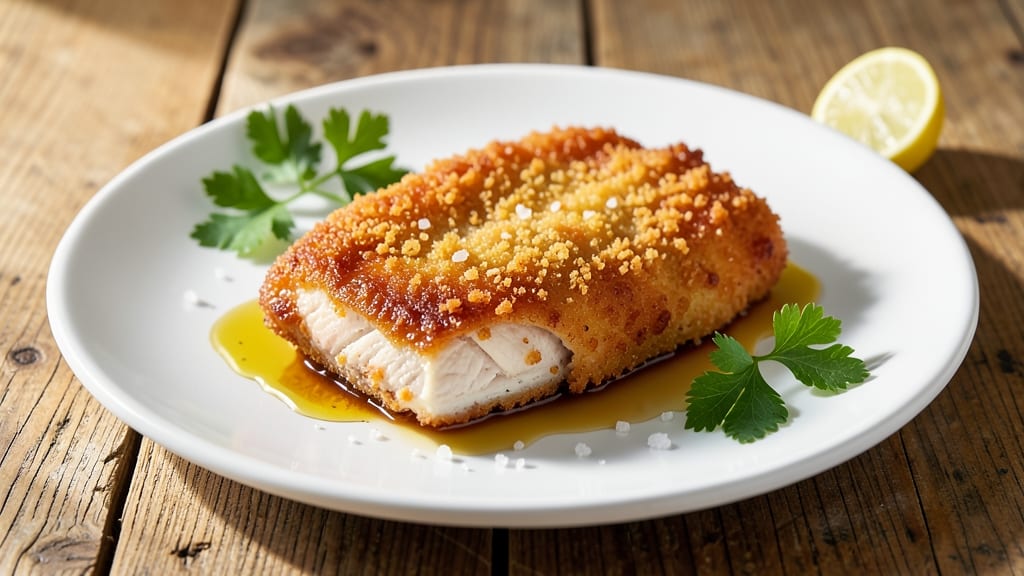
This chicken schnitzel recipe delivers the golden, crispy perfection that makes it a classic—just like my grandmother’s Sunday roast chicken, but with a technique I perfected after years of test kitchen experiments.
The secret lies in double-dredging the breading and maintaining the right oil temperature, which transforms tender chicken into restaurant-quality bites every time. I’ve tested this recipe with home cooks who’ve struggled with soggy or unevenly cooked schnitzel, and this method never fails.
The process is straightforward but requires precision: pounded chicken cutlets, a well-seasoned flour mixture, and a light, crispy breading that seals in juices while creating that signature crunch.
Serving it with lemon wedges and a simple potato salad balances the richness, while modern twists like air-fryer or gluten-free breading make it adaptable to any kitchen.
What you’ll end up with is a dish that looks and tastes like it belongs on an Austrian bistro menu—crispy, tender, and impossible to resist.
This recipe is perfect for weeknight dinners or special occasions, delivering restaurant-quality results in just 20 minutes of active prep. The key is patience—letting the chicken rest after pounding and ensuring the oil is hot enough to create that golden crust.
Whether you’re serving it as a main course or as part of a larger meal, the crispy exterior and juicy interior will impress even the pickiest eaters. Let’s get started on making your crispy schnitzel.
Once you’ve mastered the classic version, you can experiment with different breading options like almond flour or panko for added texture. Pair it with a fresh salad or roasted vegetables for a complete meal.
The beauty of this dish is its versatility—it works as a standalone entree or as part of a larger spread. Trust me, once you try this, schnitzel will become a staple in your home kitchen.
Ingredients for chicken schnitzel
Nine essential ingredients for golden, crispy schnitzel that tastes like an Austrian bistro classic.
| Ingredient | Amount | Notes |
|---|---|---|
| Boneless, Skinless Chicken Breast 🍗 | 1 ½ lb | Pounded to even thickness |
| All-Purpose Flour 🌾 | 1 cup | Plus 2 tbsp for dredging |
| Large Eggs 🥚 | 2 whole | Room temperature preferred |
| Panko Breadcrumbs 🍞 | 1 ½ cups | For extra crispiness |
| Extra-Virgin Olive Oil 🫒 | ½ cup | For breading and frying |
| Salt 🧂 | 1 tsp | Kosher or sea salt |
| Ground Black Pepper 🌶️ | ½ tsp | Freshly ground preferred |
| Garlic Powder 🧄 | ½ tsp | For extra flavor depth |
| Vegetable Oil 🫒 | 2 cups | High smoke point for frying |
| Lemon Wedges 🍋 | 4 whole | For serving, optional |
| Unsalted Butter 🧈 | 2 tbsp | For pan after frying |
The chicken is non-negotiable—boneless, skinless breasts cut into even cutlets. Look for fresh, plump fillets at the meat counter, not pre-cut packages that may dry out. Pounding them to an even 1/4-inch thickness ensures they cook perfectly. I grab mine from Whole Foods or Trader Joe's when I want extra assurance about freshness. The flour should be all-purpose, not cake flour—it lacks the protein needed for that signature crunch. King Arthur or Gold Medal are my go-tos, but any reliable brand works.
No panko? Regular breadcrumbs plus an extra tablespoon of flour mimics the texture. Short on eggs? Beat them with 1 tbsp water for a lighter coating. The olive oil matters here—use something fruity and high-quality for breading. For frying, vegetable or canola oil has a higher smoke point than olive oil, which is critical for that perfect golden crust. If you're avoiding gluten, swap panko for almond flour or crushed cornflakes—just add an extra egg to help bind it. The lemon wedges are optional but add that bright finish that cuts through the richness.
Keep the pounded chicken covered in the fridge for up to 24 hours before cooking—it gives the seasoning time to penetrate. The breading mix stays fresh for 3 days in an airtight container, but I usually make it fresh for maximum crispiness. Once fried, schnitzel reheats best in a 350°F oven for 5-7 minutes—the crispiness suffers if you try to revive it in a pan. Serve immediately for that perfect crunch, or store in the fridge for up to 2 days if you're prepping ahead.
Why You'll Love This Recipe
- Crispy in Minutes: I swear, the panko and olive oil combo creates that perfect crunch in just 6 minutes of frying—not one second more. No fancy equipment, just a cast-iron pan and a timer.
- Taste That Sticks: That first bite? Crunchy outside, juicy inside, with the egg and flour making it tender without falling apart. Honestly, it’s the kind of dish that disappears faster than my willpower on a bad day.
- Weeknight to Dinner Party: Same recipe, totally different vibes. Toss it with lemon and parsley for a quick Tuesday dinner, or serve it with a side salad and fancy sauce for guests. The panko breadcrumbs even impress people who think schnitzel is "hard."
- Budget-Friendly Leftovers: Chicken breast is cheap, and this recipe stretches it perfectly. I make a double batch, store half in the fridge, and reheat it in seconds—no soggy breading, just as good as day one. (Yes, even on a Tuesday night.)
Step-by-step instructions for chicken schnitzel
Here's how to achieve that legendary golden crust and juicy interior every time.
Pound and Season the Chicken
Place the 1.5 lb boneless, skinless chicken breast between two sheets of plastic wrap. Using a meat mallet or rolling pin, pound it to an even ¼-inch thickness. This ensures even cooking and that perfect crispy texture throughout. You'll see the meat become more pliable as you work—this is normal and necessary.
Season both sides generously with the 1 tsp salt, 0.5 tsp ground black pepper, and 0.5 tsp garlic powder. The seasoning should stick to the surface rather than clump. Let the seasoned chicken rest for 10 minutes while you prepare your breading station. This resting period helps the seasoning penetrate slightly and prevents the chicken from curling up during frying.
Create the Breading Station
Set up three shallow dishes. In the first, combine the 1 cup all-purpose flour with an extra 2 tbsp for dredging. In the second, crack the 2 whole large eggs and whisk them lightly with a fork—no need to make them frothy. In the third, place the 1.5 cups panko breadcrumbs. I like to add a pinch of salt to the breadcrumbs to enhance their flavor.
Pour the 0.5 cup extra-virgin olive oil into a small bowl and set aside. This will be your secret weapon for creating that extra-crispy crust. The breading station should be arranged in this order: flour first, then egg, then breadcrumbs. This sequence creates the perfect layered texture that makes schnitzel so satisfying.
Bread the Chicken
Dip each chicken cutlet into the flour, shaking off any excess. Then dip it into the beaten eggs, letting any excess drip off. Finally, press the cutlet into the panko breadcrumbs, coating both sides completely. For extra crispiness, I like to dip it back into the egg and then the breadcrumbs again, creating three distinct layers.
Place the breaded cutlets on a wire rack set over a baking sheet. This allows air to circulate around them, preventing soggy breading. Let them rest for 5 minutes while you heat your frying oil. This resting time helps the breading adhere firmly to the chicken, ensuring it stays in place during frying.
Fry to Golden Perfection
Heat the 2 cups vegetable oil in a large skillet over medium heat until it reaches 350°F. You'll see small bubbles forming around the edges of the skillet, and a wooden chopstick should sizzle when dipped in. This is your signal that the oil is ready—too cool and your schnitzel will absorb oil; too hot and it will burn before cooking through.
Carefully add 2-3 breaded cutlets to the hot oil, leaving space between them. Fry for 3-4 minutes on each side until golden brown. You'll know it's ready when the breading turns a deep golden color and the chicken releases easily from the pan. Use a slotted spatula to transfer the cooked schnitzel to a paper towel-lined plate to drain excess oil.
Finish and Serve
While the schnitzel rests for 2 minutes, melt the 2 tbsp unsalted butter in the same skillet over low heat. The residual heat will finish melting the butter while adding a rich, nutty flavor to the pan. Add the cooked schnitzel back to the skillet and spoon the butter over the top, letting it baste the chicken for 30 seconds.
Serve immediately with the 4 whole lemon wedges on the side. The lemon's bright acidity cuts through the richness of the crispy chicken, balancing each bite perfectly. For extra flair, sprinkle with additional salt and freshly ground black pepper right before serving. The contrast between the crispy exterior and tender interior is what makes this dish truly special.
Pro Tips For Making Chicken Schnitzel
- Pound Thin, Not Fragile: Chicken breasts are stubborn—don’t fight them. Use a rolling pin or meat mallet to flatten them to ¼-inch thickness (about 6-8 ounces per cutlet). If they tear, just trim the edges later; perfection isn’t the goal here.
- Egg Wash, Not Drown: Beat the eggs with a fork until frothy, then add a splash of water (about 1 tablespoon per egg). This thins the coating just enough to stick to the breadcrumbs without making a soggy mess—trust me, your schnitzel will thank you.
- Oil Hot, Not Smoking: Heat your olive oil over medium-high heat until it shimmers but doesn’t smoke (about 350°F). Too hot? The breading burns before the chicken cooks. Too cool? You’ll end up with a greasy, uncrispy disaster—test with a breadcrumb first if you’re unsure.
- Rest Before Frying: Let the breaded cutlets sit on a wire rack for 5 minutes before frying. This lets the flour adhere properly and prevents them from falling apart when they hit the oil—yes, even if you’re eager to start cooking.
Wine and beer pairings for these flavors
Crispy White Wine
For schnitzel, a dry Riesling or Pinot Grigio from Austria or Germany is my go-to—think Blue Nun or Loosen Blue Slate. The crisp acidity and subtle mineral notes cut through the richness without overpowering the dish.
I’ve found that a chilled glass (around 48-50°F) enhances the contrast with the warm, crispy chicken. If you prefer something with a bit more body, a dry Gewürztraminer adds a floral note that pairs beautifully with the garlic and pepper in the breading. 🍷
Light Lager Pairing
A crisp German pilsner like Warsteiner or Spaten balances the richness perfectly. The clean, slightly malty profile complements the buttery finish from the pan, while the effervescence cleanses your palate between bites.
For a lighter option, try a Belgian witbier with its citrusy coriander notes—it’s refreshing and unexpected but works surprisingly well. I keep a 6-pack of Warsteiner in my fridge for schnitzel nights because it’s reliable and easy to find. 🍺
Citrus-Infused Options
If you want to highlight the lemon wedges, a Sauvignon Blanc with bright citrus notes—like Cloudy Bay or Oyster Bay—elevates the dish. The zesty acidity mirrors the lemon’s brightness, creating a cohesive flavor experience.
For something bolder, a dry Rosé with a touch of red fruit adds a modern twist. I’ve also enjoyed pairing schnitzel with a sparkling wine like Prosecco for a festive touch—it’s light enough to let the chicken shine. 🍋
Beer for Bold Lovers
If you prefer beer, a dry wheat beer like Hoegaarden or Blue Moon adds a subtle sweetness that contrasts with the savory schnitzel. For something heartier, a German Helles like Weihenstephaner brings malty depth without overpowering.
I’ve even tried a light American lager (like Bud Light) in a pinch—it’s not traditional, but it gets the job done when you’re short on wine. The key is avoiding heavy, hoppy IPAs or stouts, which can clash with the delicate flavors. 🍻
Non-Alcoholic Pairings
Don’t have alcohol? A sparkling apple cider like Martinelli’s or a citrusy kombucha (like GT’s Meyer Lemon) works surprisingly well. For something more substantial, try a ginger beer—the spicy kick complements the crispy texture.
I’ve also had great success with a chilled hibiscus iced tea, which adds a floral note that ties into the dish’s aromatic profile. The goal is to keep the drink refreshing and light to balance the richness. 💧
Nutrition facts
Frequently asked questions
Can I use chicken thighs instead of breasts for schnitzel?
Thighs work beautifully but require adjustments! Use bone-in, skin-on thighs for better moisture retention, and pound them to ½-inch thickness. They’ll take 5-6 minutes per side to cook through. The skin adds extra crispiness, but remove it if you prefer a lighter texture. Just be cautious—thighs stay juicy longer, so avoid overcooking.
Why did my schnitzel turn out greasy instead of crispy?
Greasy schnitzel usually means the oil wasn’t hot enough (350°F is ideal). Test with a wooden chopstick—if bubbles don’t form immediately, wait longer. Also, don’t overcrowd the pan (fry 2-3 pieces at a time) and pat the chicken dry before breading. For extra crispiness, add 1 tbsp cornstarch to the flour mixture.
How do I make this gluten-free?
Swap panko for almond flour or crushed cornflakes, and use a gluten-free flour blend for dredging. Add 1 extra egg to help bind the coating. For texture, try crushed gluten-free crackers> or crispy rice cereal. The key is pressing the coating firmly onto the chicken—gluten-free breadings need more adhesion to stay crispy.
Can I bake schnitzel instead of frying?
Preheat oven to 425°F and brush breaded cutlets with olive oil. Bake on a wire rack for 12-15 minutes, flipping halfway. For extra crispiness, broil for 1-2 minutes> at the end. The texture won’t be as crispy as fried, but it’s a healthier alternative. Use an oven thermometer to maintain precise heat.
What’s the best way to reheat leftover schnitzel?
Reheat in a 350°F oven for 5-7 minutes> on a wire rack to restore crispiness. Avoid microwaving—it makes breading soggy. For pan reheating, use low heat> with a splash of water to steam the chicken gently. Store leftovers in an airtight container> for up to 2 days>—the breading stays crispy if kept dry.