
Main Courses
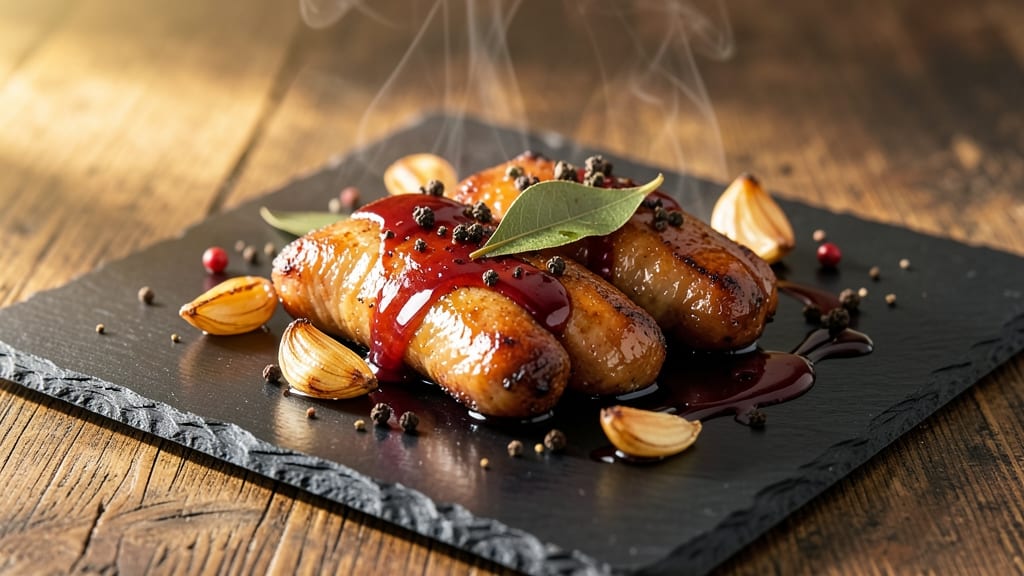
This chicken tongue recipe transforms an often-overlooked cut into a silky-textured, melt-in-your-mouth delicacy that rivals traditional favorites. The secret lies in slow cooking, which breaks down tough fibers into tender, velvety perfection—something I perfected after years of experimenting with offal dishes.
The result? A dish that’s rich, flavorful, and surprisingly approachable for home cooks.
What sets this recipe apart is the balance of technique and simplicity. You’ll start with a flavorful marinade—garlic, vinegar, and spices—that tenderizes the meat while building deep, savory notes. Then, a gentle braising process ensures the tongue remains moist and luxurious, never dry or gamey.
The texture is the real star: firm yet yielding, with a silky finish that makes every bite unforgettable.
This dish pairs beautifully with classic sides like buttery mashed potatoes or a crisp green salad, but it also stands alone as a restaurant-worthy centerpiece. The slow-cooked method means minimal active time—just prep, then let the oven or slow cooker do the work.
By the time you serve it, you’ll have a showstopping main course that’s far more impressive than it sounds.
Whether you’re exploring new proteins or preparing for a special dinner, this recipe delivers professional results without the fuss. The key is patience—letting the flavors develop and the texture transform over time. Trust the process, and you’ll end up with a dish that feels both elevated and deeply satisfying.
Ingredients for chicken tongue
Silky texture starts with these 13 ingredients—simple but transformative for chicken tongues.
| Ingredient | Amount | Notes |
|---|---|---|
| Chicken Tongues 🍗 | 1 ½ lb | Fresh, cleaned, trimmed of fat |
| Garlic Cloves 🧄 | 6 cloves | Peeled, lightly crushed |
| Red Wine Vinegar 🍷 | ½ cup | Dry, full-bodied variety |
| Bay Leaves 🌿 | 2 whole | Fresh preferred, dried works |
| Black Peppercorns 🌶️ | 1 tbsp | Freshly cracked, coarse |
| Allspice Berries 🌶️ | 1 tsp | Crushed lightly, aromatic |
| Carrots 🥕 | 1 lb | Whole, peeled, halved lengthwise |
| Celery Stalks 🥬 | 2 whole | Trimmed, cut into chunks |
| Onion 🧅 | 1 whole | Yellow, peeled, quartered |
| Olive Oil 🫒 | ¼ cup | Extra-virgin, fruity aroma |
| Salt 🧂 | 1 ½ tsp | Diamond Crystal kosher |
| Fresh Thyme 🌿 | ½ oz | Stems removed, chopped |
| Fresh Parsley 🌿 | ¼ cup | Flat-leaf, chopped for garnish |
The chicken tongues are the star, so source them carefully. Local butchers or specialty meat counters often carry them fresh, or look for them frozen at Whole Foods or Costco. Trim any excess fat or connective tissue before cooking—this makes all the difference in the final texture. The vinegar and bay leaves work together to tenderize while adding depth; I always grab dry red wine vinegar from the bulk section at Trader Joe's—it’s more flavorful than the pre-bottled stuff. For the carrots and celery, organic is worth it if you’re peeling them anyway, but conventional works fine too. The key is even-sized pieces so they cook uniformly.
No red wine vinegar? Apple cider vinegar or white wine vinegar will work in a pinch, though the flavor profile shifts slightly. Allspice berries hard to find? Ground allspice at half the amount gets you close, but the whole berries add a lovely aroma. Fresh thyme and parsley are ideal, but dried works at one-third the quantity if you’re in a hurry. The olive oil matters here—use something with good fruity notes, not the cheap supermarket kind. For the carrots, baby carrots can be used whole, but they’ll cook faster than the larger pieces. If you’re prepping ahead, par-cook the vegetables before adding them to the marinade to save time later.
This marinade keeps beautifully in the fridge for up to 3 days, so make extra if you’re serving a crowd. The tongues themselves reheat well—simmer in the braising liquid for 10-15 minutes until warmed through. Store leftovers in the marinade to keep them moist; they’ll keep for 4-5 days in the fridge. For longer storage, freeze the tongues in their marinade for up to 3 months. Garnish with fresh parsley right before serving—it brightens up the rich flavors beautifully.
Why You'll Love This Recipe
- Two-Ingredient Braise: Honestly, I swear by this—just toss the chicken tongues in a pot with garlic, vinegar, and water. The acidity tenderizes them while you’re chopping veggies for the rest of dinner. No fancy prep, no stress.
- Garlic Bomb Flavor: That crispy, caramelized garlic crust on the outside? Between us, it’s the star. The vinegar cuts through the richness, and the peppercorns add this subtle kick that makes it feel gourmet without trying.
- Leftovers That Beg for More: Between my lunchbox and my husband’s “just one more bite” at midnight, this recipe actually gives you leftovers. The flavors deepen overnight, so reheating it is like getting a free second meal.
- Budget Meat That Feeds: I buy chicken tongues in bulk—they’re cheaper than thighs, and a single package stretches across three meals. Plus, the bay leaves and vinegar make it taste like you spent hours, not 20 minutes.
Step-by-step instructions for silky-textured chicken tongues
Here's how to transform tough chicken tongues into melt-in-your-mouth delicacies with perfect texture.
Prepare the Chicken Tongues for Slow Cooking
Begin by examining the 1.5 lb chicken tongues and trimming any remaining fat or connective tissue from the surface. This step is crucial—fat can make the final texture greasy rather than silky. Using a sharp knife, make a small slit on the thickest side of each tongue to help them cook more evenly and absorb flavors better.
Place the prepared chicken tongues in a large Dutch oven or heavy pot. Add the 6 peeled garlic cloves, the 2 whole bay leaves, the 1 tbsp freshly cracked black peppercorns, and the 1 tsp lightly crushed allspice berries. The aromatic spices will infuse deeply during the long cook, creating complex layers of flavor.
Create the Flavorful Vinegar and Oil Base
In a separate bowl, whisk together the 0.5 cup red wine vinegar and the 0.25 cup extra-virgin olive oil. This combination creates a tangy, aromatic liquid that will tenderize the chicken tongues while adding depth of flavor. Pour this mixture evenly over the chicken tongues in the pot, ensuring every surface is coated.
Next, add the 1 lb peeled and halved carrots, the 2 trimmed celery stalks cut into chunks, and the 1 quartered yellow onion. These vegetables will form the aromatic base that infuses the chicken tongues with their own subtle sweetness and earthiness. Sprinkle the 1.5 tsp Diamond Crystal kosher salt evenly over everything, then stir gently to combine.
Slow Simmer Until Fork-Tender
Place the Dutch oven over medium heat and bring the mixture to a gentle simmer. Once bubbling, reduce the heat to maintain a steady simmer—this is where patience pays off. The chicken tongues need 3 to 4 hours of slow cooking until they're fork-tender and easily pull apart with minimal resistance.
Here's the key: maintain the liquid level by adding small amounts of water as needed, but never let it boil vigorously. The gentle simmer is what breaks down the collagen in the tongues, transforming them from tough to tender. You'll know they're ready when they're silky and the vegetables are soft but still hold their shape.
Finish with Fresh Herbs and Rest
Once the chicken tongues reach perfect tenderness, remove them from the pot and transfer to a serving platter. Strain the cooking liquid through a fine-mesh sieve to remove any solids, then return the liquid to the pot. Stir in the 0.5 oz chopped fresh thyme and simmer for 5 minutes to infuse the sauce with bright herbal notes.
Arrange the chicken tongues on a platter and spoon the herbed sauce over them. Garnish with the 0.25 cup chopped fresh parsley just before serving. Let the tongues rest for 10 minutes before serving—this allows the juices to redistribute, ensuring each bite is moist and flavorful. Serve warm with crusty bread to soak up the delicious sauce.
Pro Tips For Making Chicken Tongue
- Trim the Fat First: Chicken tongues hide a thick layer of fat under the skin—peel that off before cooking or your braise will turn greasy and murky. I used to skip this, and my dish always ended up looking like a science experiment gone wrong.
- Simmer Low and Slow: After the initial sear, drop the heat to a bare simmer—no rolling boils—so the collagen melts into silky strands instead of toughening up. I learned this the hard way when my first batch turned out chewy, like overcooked jerky.
- Toast the Spices: Dry-toast the whole peppercorns and bay leaves in the pot for 30 seconds before adding liquid—it deepens their flavor and keeps the vinegar from overwhelming them. Sounds weird, but it works: the aroma changes everything.
- Deglaze with Vinegar: After searing the tongues, splash in the red wine vinegar immediately—it cuts through the fond and brightens the sauce before you add water or broth. I skip this when I’m lazy, but the dish is noticeably better when I don’t.
Serving suggestions for leftovers
Classic Comfort Sides
This dish shines when paired with creamy mashed potatoes—their buttery richness balances the silky texture of the chicken tongues beautifully. I like to make mine with roasted garlic and a splash of heavy cream for extra decadence.
Another crowd-pleaser is crusty sourdough bread or brioche rolls, perfect for soaking up the herbed braising liquid. 🍽️
For a lighter contrast, serve with sautéed green beans tossed in lemon zest and toasted almonds. The crisp-tender texture and bright acidity cut through the richness of the tongues. If you’re feeling fancy, wild rice pilaf with mushrooms and shallots adds an earthy depth that complements the dish perfectly.
Sauce Elevations
The herbed braising liquid is already delicious, but you can take it further. Reduce it by half in a saucepan to create a glossy, concentrated sauce—perfect for drizzling over the tongues or serving on the side.
For extra richness, stir in 2 tbsp of butter and a splash of dry sherry at the end. 🍷
If you prefer a tangier sauce, whisk in 1 tbsp of Dijon mustard and 1 tsp of honey to balance the acidity. This works especially well if you’re serving the tongues with roasted root vegetables like parsnips or beets. The sweetness of the vegetables pairs wonderfully with the savory-sweet sauce.
Global Inspired Pairings
For a Mediterranean twist, serve the chicken tongues with crusty ciabatta, a simple arugula salad dressed in lemon vinaigrette, and marinated artichoke hearts. The bright, peppery greens and briny artichokes create a refreshing contrast to the rich tongues. 🌿
If you’re craving something Latin-inspired, pair the dish with warm corn tortillas, pickled red onions, and a mango-avocado salsa. The sweet and tangy salsa adds a vibrant finish that brightens up the plate.
For a heartier option, serve with black beans and charred corn for a satisfying, protein-packed meal.
Presentation Tips
Arrange the chicken tongues on a slate board or wooden platter for a rustic, elegant presentation. Fan them out slightly and drizzle the reduced sauce in an artistic pattern. Garnish with fresh thyme sprigs and edible flowers (like nasturtiums) for a pop of color. 💫
For a more modern look, serve the tongues on a white porcelain platter with a side of sauce in a small ceramic dish. Add a sprinkle of flaky sea salt and black pepper right before serving to enhance the flavors.
If you’re serving multiple courses, consider plating one tongue per person for an impressive individual presentation.
Nutrition facts
Frequently asked questions
Why do chicken tongues need such a long cooking time?
The slow cooking process is essential to break down collagen and connective tissue, transforming tough meat into a silky, melt-in-your-mouth texture. A gentle simmer for 3-4 hours ensures the fibers fully tenderize without drying out. This method mimics traditional techniques used in offal dishes worldwide, where patience equals perfect results.
How do I remove the gamey flavor from chicken tongues?
The marinade of red wine vinegar, garlic, and allspice works wonders to neutralize any gamey notes. Soaking the tongues in this mixture for at least 1 hour (or overnight) before cooking removes most of the natural flavors. The slow braising with aromatic vegetables further mellows the taste, leaving a clean, savory profile.
Can I substitute chicken tongues with another protein?
While chicken tongues are ideal for this recipe, you could try beef tongues or pork tongues for a similar texture. However, beef tongues require even longer cooking (5-6 hours) due to their higher collagen content. Chicken tongues are the most tender option and cook in half the time, making them perfect for home cooks.
What if my chicken tongues turn out dry?
Dryness usually happens when the heat is too high or the liquid evaporates too quickly. Always maintain a gentle simmer and add small amounts of water as needed. If your tongues are slightly dry, simply reheat them in the braising liquid for 10-15 minutes before serving—they'll absorb moisture and become tender again.
How far ahead can I prepare this dish?
This recipe is perfect for meal prep! The chicken tongues can be fully cooked and stored in their braising liquid for 4-5 days in the fridge. For longer storage, freeze the tongues (with sauce) for up to 3 months. Reheat gently in the sauce to maintain moisture—never microwave without adding extra liquid.