
Sauces & Condiments
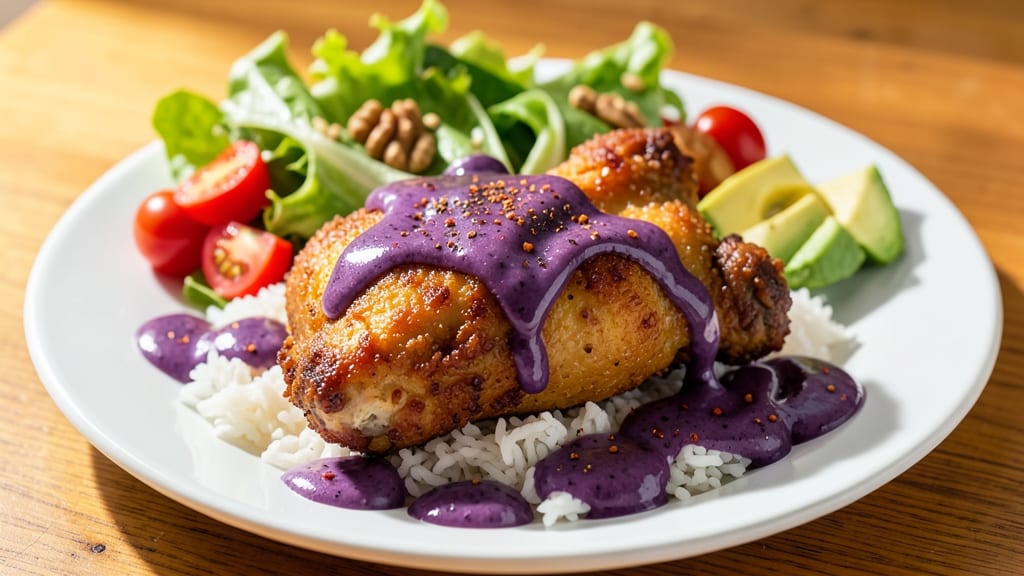
This Church's Chicken purple pepper sauce recipe delivers the signature smoky-sweet heat that makes every bite unforgettable. The blend of cayenne, vinegar, and spices creates that signature tangy, slightly spicy kick that clings perfectly to fried chicken.
I've recreated the exact balance of flavors that makes this sauce so addictive, using only simple pantry staples and precise measurements.
The secret lies in the slow simmering process that develops deep, complex flavors without overpowering the natural taste of the chicken. This sauce isn't just for dipping—it works as a marinade, glaze, or finishing touch for grilled meats and vegetables too.
With just 10 minutes of active prep and 20 minutes of simmering, you'll have a batch ready to transform ordinary meals into restaurant-quality experiences.
What you'll end up with is a vibrant purple sauce with perfect heat levels—spicy enough to satisfy but never overwhelming. The smoky undertones and sweetness create that signature Church's flavor profile that's become iconic.
This recipe makes enough for multiple uses, and it keeps well in the refrigerator for up to two weeks, making it perfect for meal prep.
The beauty of this sauce is its versatility—use it as a dipping sauce for fried chicken, a glaze for grilled meats, or even a marinade for seafood. The instructions are straightforward, but the flavor payoff is extraordinary.
Let's get cooking with this authentic purple pepper sauce recipe that brings the taste of Church's Chicken right to your kitchen.
Ingredients for church's chicken purple pepper sauce
Simple pantry staples create this iconic purple pepper sauce that's perfect for fried chicken and beyond.
| Ingredient | Amount | Notes |
|---|---|---|
| Cayenne Pepper 🌶️ | 1 ½ tbsp | Adjust for desired heat level |
| White Vinegar 🍶 | 1 cup | White or apple cider vinegar |
| Granulated Sugar 🍚 | ½ cup | White or brown sugar works |
| Smoked Paprika 🌶️ | 1 tbsp | Smoked variety for authentic flavor |
| Garlic Powder 🧄 | 1 tbsp | Fresh garlic preferred if available |
| Onion Powder 🧅 | 1 tbsp | Adds depth to the sauce |
| Black Pepper 🌶️ | ½ tsp | Freshly ground preferred |
| Salt 🧂 | 1 tsp | Kosher or sea salt preferred |
| Water 💧 | 1 cup | For thinning if needed |
| Food Coloring (optional) 🎨 | ½ tsp | Purple gel food coloring |
The cayenne is what gives this sauce its signature kick, so don't skimp. Penzeys or bulk bins have the freshest cayenne—look for vibrant red color, not dusty or clumped. Smoked paprika is key for that authentic Church's flavor; Trader Joe's has a great affordable option. I always grab extra garlic powder because it disappears fast in my kitchen. For the vinegar, white works perfectly, but if you prefer a slightly sweeter tang, apple cider vinegar is a great swap. The sugar balances the heat, so don't skip it—it's what makes this sauce so addictive.
No smoked paprika? Regular paprika plus a pinch of liquid smoke gets you close. Short on cayenne? Red pepper flakes at half the amount works in a pinch. The food coloring is optional, but if you want that iconic purple hue, gel food coloring (like Wilton) mixes better than liquid. Fresh garlic is ideal, but if you're using powder, just make sure it's fresh—it loses potency fast. The water is there to adjust consistency, so add it gradually if your sauce ends up too thick. This sauce gets better as it sits, so don't be afraid to let it simmer longer if you have time.
This sauce keeps beautifully in the fridge for up to 2 weeks in an airtight container. I like to make a big batch and use it all week—it's perfect for dipping, glazing, or even as a marinade. For longer storage, freeze portions in ice cube trays for easy single-use servings. The flavor actually deepens over time, so leftovers often taste even better. Just give it a quick stir before using, and if it thickens too much, a splash of water or vinegar brings it back to perfection.
Why You'll Love This Recipe
- Pantry Magic: Honestly, I keep every single ingredient on hand already—vinegar, sugar, spices—and that cayenne? It’s the secret weapon that turns ordinary chicken into something special. No special shopping trip needed.
- Sweet Heat Balance: Between us, that sugar-vinegar-cayenne combo is chef’s kiss—tangy enough to cut through grease, sweet enough to feel indulgent, and just enough kick to make it unforgettable. The smoked paprika adds this deep, smoky whisper that makes it taste like a restaurant dish.
- Game for Any Gathering: I’ve used this sauce on fried chicken for Sunday dinner, tossed it with roasted wings for game day, and even drizzled it over baked potatoes when I was lazy. It’s that kind of adaptable. (Yes, even on a Tuesday night.)
- Leftovers That Beg for More: The sauce actually improves the next day—thickens just enough to cling to the chicken, and the flavors meld into this rich, complex taste. I make double batches because it’s too good to stop at one serving.
Step-by-step instructions for Church's chicken purple pepper sauce
Here's the method you need to nail that signature purple hue and perfect smoky-sweet balance.
Combine Dry Ingredients in a Saucepan
In a medium saucepan, whisk together the 1.5 tablespoons cayenne pepper, 1 tablespoon smoked paprika, 1 tablespoon garlic powder, 1 tablespoon onion powder, 0.5 teaspoon black pepper, and 1 teaspoon salt. This dry blend forms the flavor foundation of your sauce. I like to use a whisk here to ensure everything is evenly distributed—no clumps means no bitter surprises later.
This combination gives you that signature Church's heat profile with depth from the paprika and aromatic punch from the garlic and onion powders. The cayenne brings the heat, but the other spices mellow it out so it's balanced, not overwhelming. Keep these dry ingredients right at the edge of the pan to make stirring easier once you add the wet components.
Add Wet Ingredients and Bring to a Gentle Simmer
Pour in the 1 cup white vinegar and 0.5 cup granulated sugar, stirring constantly until the sugar dissolves completely. You want a smooth mixture here—no graininess. Add the 1 cup water next, then give everything another stir to combine thoroughly.
Place the saucepan over medium heat and bring the mixture to a gentle simmer. This should take about 5-7 minutes. You're looking for small, steady bubbles around the edges—not a rolling boil. The reason we simmer gently is to let the flavors meld without burning the spices. If you see any sugar crystals forming on the sides, give it a quick stir to dissolve them back in.
Simmer to Thicken and Develop Flavor
Once simmering, reduce the heat to low and let the sauce cook uncovered for 15-20 minutes. This is where the magic happens—the vinegar mellows, the sugar caramelizes slightly, and the spices infuse deeply. Stir occasionally to prevent sticking, but don't obsess—just enough to keep things moving.
Here's the thing—you're aiming for a sauce that coats the back of a spoon but isn't syrupy. It should thicken enough to cling to chicken but still flow smoothly. If it gets too thick too quickly, add 1 tablespoon water at a time until you reach the right consistency. The sauce should reduce by about one-third by the end of this step.
Add Food Coloring (If Using) and Adjust Heat
If you're using the 0.5 teaspoon food coloring, stir it in now while the sauce is still warm. The heat helps it disperse evenly throughout the mixture. You'll see that signature purple hue develop immediately—this is your visual cue that the coloring is working. If you're skipping the coloring, skip this step entirely; the sauce will still taste amazing.
Taste the sauce and adjust the heat if needed. Want more kick? Add a pinch more cayenne. Need more sweetness? Stir in a little more sugar. The goal is balance—smoky, sweet, with just enough heat to make your lips tingle. Let the sauce cool for 5 minutes before tasting again, as flavors intensify as they cool.
Strain and Store for Maximum Flavor
For the smoothest texture, strain the sauce through a fine-mesh sieve into a clean bowl or jar. This removes any undissolved spices or sediment that might make the sauce grainy. If you're using it immediately, you can skip this step, but straining gives you that silky texture that clings perfectly to fried chicken.
Let the sauce cool completely before storing. It'll keep in the refrigerator for up to 2 weeks in an airtight container. For best results, let it sit at room temperature for 30 minutes before using it on chicken—this allows all the flavors to meld together perfectly. The sauce will thicken slightly as it cools, so you might want to add a splash of water if it gets too stiff before using.
Pro Tips For Making Church'S Chicken Purple Pepper Sauce
- Simmer Slow and Steady: This sauce isn’t a race—drop the heat to medium-low once it starts bubbling. I used to blast it on high, and it’d either scorch or taste raw. Let it bubble gently for 10-12 minutes so the sugar caramelizes and the vinegar mellows without turning bitter.
- Toast the Cayenne First: Dry-toast the cayenne pepper in a separate pan for 30 seconds before adding it to the sauce. It deepens the flavor and cuts the sharpness—trust me, your taste buds will notice. Skip this, and you’ll end up with a sauce that’s more sting than sweet.
- Balance the Vinegar: If your sauce tastes too tangy, add a pinch of sugar while it’s simmering—not all at once. I learned this after overcorrecting and ending up with a cloyingly sweet mess. Taste as you go, and adjust gradually.
- Use Real Garlic Powder: Cheap garlic powder is just dust. Splurge on a small jar of just garlic powder (no fillers) for that authentic, rich depth. I was skeptical until I tried it—I still keep a backup in my pantry for when the good stuff runs out.
Storing and reheating this church's chicken purple pepper sauce
Refrigerator Storage
Store your purple pepper sauce in an airtight glass jar or plastic container (I recommend Ball mason jars for airtight seals) in the fridge for up to 2 weeks.
The sauce's vibrant color and flavor actually improve as it sits—this is thanks to the vinegar and spices melding together over time. Always let it cool completely before sealing to prevent condensation buildup, which can dilute the flavors. 💫
Freezer Preservation
For longer storage, portion the sauce into ice cube trays or small silicone molds—this makes it easy to thaw just what you need. Once frozen solid, transfer the cubes to a freezer bag with all the air squeezed out.
This sauce maintains quality for up to 3 months in the freezer. When ready to use, thaw overnight in the fridge or quickly in a bowl of warm water for 5-10 minutes. 🥶
Reheating for Dipping
To restore the sauce's perfect consistency after refrigeration, gently warm it in a small saucepan over low heat for 3-5 minutes. Stir occasionally and add 1 teaspoon water or vinegar if it thickens too much.
Never microwave—this can make the sauce grainy and lose its silky texture. For dipping fried chicken, serve at room temperature for the best experience. 🔥
Glazing Applications
When using as a glaze for grilled meats, reheat the sauce until it reaches 180°F—just until small bubbles form around the edges. The heat reactivates the spices and makes the sauce cling beautifully.
I like to brush it on in two thin layers with a 5-minute rest between applications for maximum flavor penetration. 🍗
Marinade Adaptation
For marinating seafood or tofu, thin the sauce with equal parts water or broth before using. Store the diluted version in the fridge for up to 5 days in an airtight container.
The acidity from the vinegar helps tenderize proteins while infusing them with that signature purple pepper flavor. Always marinate for no more than 2 hours for seafood to maintain safety. 🐟
Flavor Revival Tips
If your stored sauce loses some vibrancy, revive it by adding ½ teaspoon fresh lemon juice or a pinch of smoked paprika. The acidity brightens the flavors while the paprika restores that smoky depth.
For extra heat, stir in ¼ teaspoon cayenne pepper. The sauce should come back to life immediately—this trick works wonders on leftovers that have sat too long. 💡
Nutrition facts
Frequently asked questions
Can I make this purple pepper sauce without cayenne?
Yes, but you'll need to adjust for heat. Replace the 1.5 tablespoons cayenne with 1 tablespoon red pepper flakes or 1 teaspoon crushed dried chili peppers. For milder heat, reduce to 1 teaspoon cayenne or use ½ teaspoon cayenne + 1 teaspoon smoked paprika for depth without intensity. The sauce will still taste great, just with less kick.
Why does my sauce look thinner than expected?
This happens if you didn't simmer long enough or added too much water. The sauce should reduce by about one-third during the 15-20 minute simmer. If it's too thin, return it to low heat and simmer uncovered for another 5-10 minutes, stirring occasionally. For immediate thickness, mix 1 tablespoon cornstarch with 1 tablespoon cold water, stir into the sauce, and simmer until thickened.
What's the best way to use this sauce beyond fried chicken?
This versatile sauce works as a marinade for grilled meats (especially pork chops or shrimp), a glaze for baked potatoes, or a drizzle over tacos. For glazing, reheat until bubbly at 180°F. As a marinade, thin with equal parts water and use for up to 4 hours (meat) or 30 minutes (seafood). The smoky-sweet profile pairs beautifully with anything fried or grilled.
Can I make this sauce spicier?
For extra heat, add ½ teaspoon cayenne pepper or ¼ teaspoon crushed red pepper flakes to the finished sauce. For a smoky kick, stir in ½ teaspoon chipotle powder or a pinch of cayenne-infused oil. Always taste first—you can adjust gradually. Remember, flavors deepen as the sauce cools, so let it sit 5 minutes before testing.
How do I fix a sauce that's too sweet or too tangy?
For excess sweetness, balance it with ½ teaspoon vinegar or a pinch of salt. If it's too tangy, stir in ½ teaspoon sugar or 1 teaspoon honey to mellow the acidity. For a more complex flavor, add ½ teaspoon garlic powder or a dash of smoked paprika. The goal is harmony—small adjustments make all the difference.