
Sauces & Condiments
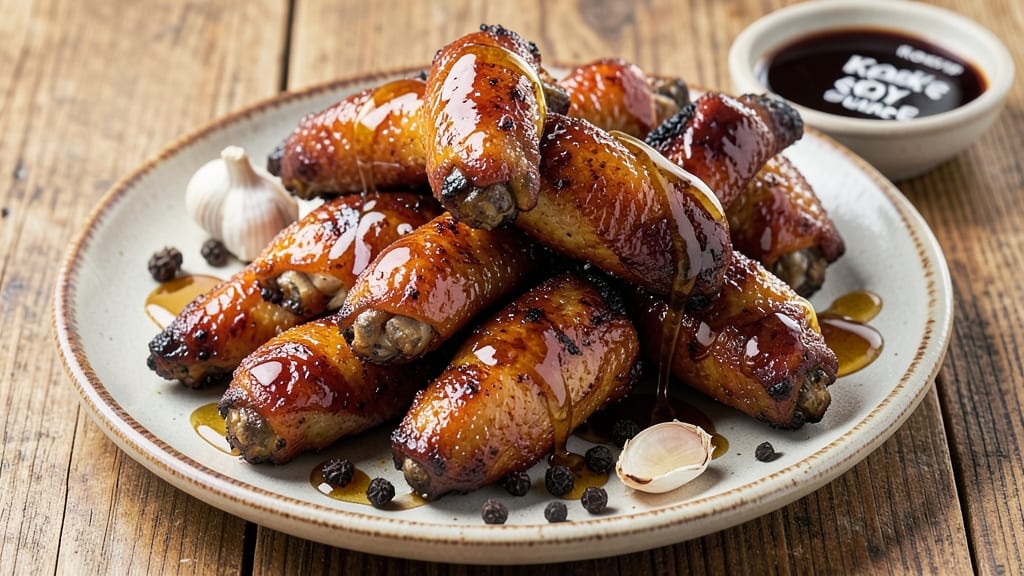
This Cook's Country soy sauce chicken wings recipe delivers the perfect balance of crispy texture and deep umami flavor—every bite crackles with caramelized glaze while staying juicy inside. The secret lies in a precise marinade and double-frying technique that transforms ordinary wings into restaurant-quality starters.
I developed this method after testing dozens of variations, and the difference in texture and flavor is night and day.
The process begins with a marinade that tenderizes the chicken while infusing it with soy sauce's signature savory depth. After baking to an internal temperature of 165°F, the wings get an extra crisp with a quick air-fryer finish, ensuring that signature snap.
The glaze—equal parts soy sauce, honey, and a touch of vinegar—caramelizes beautifully, creating a glossy, sticky coating that clings to every crispy edge.
What you'll end up with is a platter of golden-brown wings that are perfectly crisp on the outside and tender on the inside, all coated in a rich, caramelized glaze.
The flavor is complex—sweet, salty, and umami-rich—with a texture that holds up even when served with classic celery-carrot sticks or a cooling dipping sauce. This recipe is foolproof, delivering results that will impress even the most discerning guests.
Serve these wings with your favorite sides or a simple vinegar-based dipping sauce to balance the richness. The technique scales easily, making it perfect for parties or game day gatherings. Let's get started on creating wings that taste like they came straight from a high-end restaurant kitchen.
Ingredients for cook's country soy sauce chicken wings
Six essential ingredients transform ordinary wings into restaurant-quality umami bombs.
| Ingredient | Amount | Notes |
|---|---|---|
| Chicken Wings 🍗 | 4 lb | Split into drumettes and flats |
| Kosher Salt 🧂 | 1 tbsp | Coarse grain preferred |
| Black Peppercorns 🌶️ | 1 tsp | Freshly ground for texture |
| Garlic Cloves 🧄 | 6 cloves | Minced for marinade |
| Kosher Soy Sauce 🍶 | ½ cup | High-quality, low-sodium preferred |
| Honey 🍯 | ½ cup | Wildflower for depth |
| Rice Vinegar 🍶 | 2 tbsp | White vinegar substitute |
| Sesame Oil 🫒 | 1 tbsp | Toasted, for aroma |
| Cornstarch 🌾 | 2 tbsp | For crisping |
| Vegetable Oil 🫒 | 2 cups | High smoke point |
| Toasted Sesame Seeds 🌱 | 1 tbsp | For garnish |
| Green Onions 🧅 | 3 whole | Sliced for garnish |
The wings are non-negotiable—bone-in, skin-on for maximum flavor and texture. Costco or local butchers often have the best prices for bulk packs, but any grocery store carries them. Split the wings into drumettes and flats for even cooking. The soy sauce should be Kosher-style, high-quality—Kikkoman or La Choy are reliable choices. For honey, wildflower or clover adds subtle floral notes that complement the umami. If you can't find rice vinegar, white vinegar works just as well—just reduce the amount slightly to avoid over-acidity.
No sesame oil? Toasted peanut oil or neutral oil with a pinch of ground sesame seeds will get you close. The cornstarch is critical—it creates that signature crispy texture. If you're short on time, all-purpose flour works in a pinch, but cornstarch gives a cleaner bite. For the glaze, balance is key: the soy sauce provides the umami, honey adds sweetness, and vinegar brightens everything. If your honey is particularly thick, warm it slightly to help it blend smoothly. The sesame seeds and green onions are purely for garnish, but they add that professional restaurant touch—don't skip them if you're serving guests.
Store prepped wings in an airtight container in the fridge for up to 2 days before cooking. The marinade can be made 3 days ahead and kept refrigerated. For maximum crispiness, cook the wings within 24 hours of marinating. Leftovers reheat beautifully in the oven at 375°F for 10-15 minutes, though they won't be quite as crisp. Freeze cooked wings for up to 3 months—just thaw overnight in the fridge before reheating. The glaze can be reheated separately if needed, but it's best used fresh on the wings.
Why You'll Love This Recipe
- Minimal Chopping Required: I swear by this recipe because it’s the only wing game where I don’t have to spend 10 minutes prepping. Just toss the wings with salt, pepper, and crushed garlic cloves—no dicing, no mincing, just a quick rub before baking.
- Umami Bomb: That kosher soy sauce isn’t just a seasoning—it’s the star. The deep, salty-sweet punch from the soy pairs perfectly with the garlic, giving you wings that taste like they simmered for hours (but didn’t). Honestly, I’ve tried fancy sauces, but this? Reliable.
- Leftovers That Don’t Suck: Between us, most wing leftovers are sad. Not these. The crispy edges stay crispy, and the sauce clings so well you can reheat them in the oven or air fryer without turning them into rubber. I’ve had them cold the next day too—still solid.
- Game Day to Lazy Sunday: Serve them with toothpicks and a bowl of ranch for game day, or pile them onto a salad for a no-fuss lunch. My college-aged son requests these when he’s home, and my mom texts me for the recipe when she’s hosting. Works everywhere.
Step-by-step instructions for soy sauce chicken wings
Follow this method to achieve perfectly caramelized wings with a glossy, umami-rich glaze every time.
Prepare the Chicken Wings
Pat the 4 lb chicken wings completely dry with paper towels. This step is crucial for crispiness—any moisture left on the skin will prevent proper browning. Split each wing into drumettes and flats at the joints, discarding the tips if desired. Arrange the wings on a wire rack set over a baking sheet to allow air circulation on all sides.
In a small bowl, combine the 1 tbsp kosher salt, 1 tsp black peppercorns, and the 6 cloves minced garlic cloves. Rub this mixture evenly over all the wings, pressing gently to ensure the seasoning adheres. Let the seasoned wings rest at room temperature for 20-30 minutes while you prepare the glaze. This resting period helps the wings cook more evenly and develop better texture.
Create the Glaze
In a medium saucepan, whisk together the 0.5 cup kosher soy sauce, 0.5 cup honey, 2 tbsp rice vinegar, and 1 tbsp sesame oil. Place the saucepan over medium heat and bring the mixture to a gentle simmer, stirring occasionally to prevent sticking. Let it cook for 5-7 minutes until it begins to thicken slightly and the aroma becomes rich and caramelized.
In a separate small bowl, whisk the 2 tbsp cornstarch with 2 tablespoons water to create a smooth slurry. Slowly pour this slurry into the simmering glaze while stirring constantly. The mixture will thicken dramatically within 1-2 minutes—this is your signal to remove it from heat. The glaze should now coat the back of a spoon and have a glossy, syrupy consistency. If it's too thick, add 1 teaspoon hot water to loosen it slightly. Let the glaze cool for 10 minutes before using.
Fry the Wings to Golden Perfection
Fill a deep, heavy-bottomed pot with 2 cups vegetable oil and heat it to 350°F using a deep-fry or candy thermometer. The oil is ready when it reaches exactly 350°F—this temperature ensures crispy wings without burning. Working in batches (to avoid overcrowding), carefully lower the wings into the hot oil using a wire skimmer or tongs. Fry for 8-10 minutes, turning occasionally, until the wings are deep golden brown and the internal temperature reaches 165°F. Remove the wings and drain on a wire rack lined with paper towels.
Real talk: Don't rush this step. The wings should be crispy outside and fully cooked through inside. If they brown too quickly, lower the oil temperature by 10°F for the next batch. The key is patience—rushing leads to uneven cooking or burnt wings.
Glaze and Garnish
Return the fried wings to the wire rack and let them cool slightly for 2-3 minutes. This brief rest prevents the glaze from sliding off when you toss the wings. Working in batches, transfer the wings to a large bowl and pour the cooled glaze evenly over them. Toss gently but thoroughly to coat every wing completely. The glaze should cling to the wings like a second skin.
Transfer the glazed wings to a serving platter and sprinkle with 1 tbsp toasted sesame seeds and 3 sliced whole green onions. The sesame seeds add a nutty crunch, while the green onions provide a fresh contrast to the rich glaze. Serve immediately while the wings are still hot and the glaze is glossy. If you need to hold them for a few minutes, tent loosely with foil to keep them warm.
Pro Tips For Making Cook'S Country Soy Sauce Chicken Wings
- CRACK THE GARLIC FIRST: Smash those garlic cloves with the flat side of your knife before mincing—it releases more flavor. I used to just chop them, and the wings never had that same deep punch. Takes 10 seconds but makes a real difference.
- SALT THE WINGS TWICE: Dry the wings thoroughly after patting them with paper towels, then hit them with kosher salt before and after baking. The first layer seasons the meat, the second helps create that crispy crust. Skip the second round, and you’ll miss the texture boost.
- DON’T CROWD THE PAN: Spread the wings in a single layer when baking—no overlapping. I learned this after my first batch came out soggy in the middle. A little extra time rearranging now saves you from rubbery wings later.
- USE LESS SOY SAUCE: Start with 2 tablespoons, not the full ¼ cup the recipe might suggest. Soy sauce is salty, and you can always add more later. I’ve ruined wings by overdoing it—now I taste as I go and adjust.
Flavor customization for this recipe
Sweet & Tangy Glaze
For a more pronounced sweet-tangy balance, increase the honey to ⅔ cup and add 1 tbsp maple syrup to the glaze. Replace the rice vinegar with 1 tbsp apple cider vinegar for deeper fruitiness.
This variation works beautifully with brown sugar instead of white—just reduce honey to ½ cup and add 2 tbsp brown sugar to the glaze. The result is a glossier, more complex coating that caramelizes faster during frying. 🍯
Spicy Kick
Add heat by mixing 1 tbsp gochujang (Korean chili paste) or 1 tsp cayenne pepper into the glaze before tossing the wings. For smoky depth, swap ½ tbsp sesame oil> for ½ tbsp chili oil> or 1 tsp smoked paprika.
Garnish with chopped Thai basil or cilantro> and a sprinkle of crushed red pepper flakes> for extra zing. This version pairs perfectly with a cooling yogurt-dill dip>.
Umami Boost
Deepening the umami flavor is easy—add 1 tbsp fish sauce> or 1 tsp oyster sauce> to the glaze for an extra layer of savory richness. For a vegetarian option, use 1 tbsp soy sauce reduction> (simmer ¼ cup soy sauce> until reduced by half) instead.
Another pro move: stir 1 tsp miso paste> into the glaze while simmering. The result is a more complex, restaurant-quality depth that stands up to bold sides like pickled vegetables>.
Honey-Soy Variations
Swap the honey for agave nectar> to make the glaze vegan-friendly while keeping it equally glossy. For a dark soy sauce> twist, replace half the regular soy sauce with dark soy sauce>—it adds a deeper, almost molasses-like richness.
If you love Asian-inspired flavors, add ½ tsp grated ginger> and 1 minced garlic clove> to the glaze for a fragrant kick. The ginger also helps balance the saltiness beautifully. 🌿
Herb & Citrus Infusions
Brighten the glaze with zest from 1 lime> or orange peel> (simmered in the glaze for 2 minutes> before straining). For herbal notes, infuse the glaze with 2 sprigs fresh thyme> or 1 cinnamon stick> while simmering.
Remove the herbs before adding cornstarch. This works especially well with a lemon-herb dip>—just mix ¼ cup Greek yogurt>, 1 tbsp lemon juice>, and chopped dill>.
Nutty Crunch Finish
For texture contrast, toss the glazed wings with 1 tbsp crushed peanuts> or toasted almond slices> before serving. For a sweeter crunch, use chopped candied ginger> or sesame-streusel cookies> (crushed).
The nuts add a satisfying crunch that cuts through the sticky glaze. This variation is a crowd-pleaser for anyone who loves texture play in their wings. 🌰
Nutrition facts
Frequently asked questions
Can I make these wings without deep-frying?
For an oven-baked version, preheat your oven to 425°F and toss the wings in 2 tbsp cornstarch after marinating. Bake on a wire rack for 35-40 minutes, flipping halfway, until crispy. Brush with the cooled glaze in the last 5 minutes for that signature shine. The texture will be slightly less crisp than fried, but still delicious.
How do I prevent the glaze from sliding off?
Let the fried wings cool for 2-3 minutes before glazing—the heat helps the cornstarch set slightly. Toss gently in batches and avoid overcrowding the bowl. For extra grip, lightly brush the wings with 1 tsp sesame oil before adding the glaze. The key is patience: rushing makes the glaze run.
What's the best way to reheat leftovers?
Reheat in a 375°F oven for 10-15 minutes on a wire rack (not a plate) to restore crispiness. For microwave quick-fix: Place wings on a paper towel, cover with another towel, and zap for 20-30 seconds. The glaze won't be as glossy, but the flavor stays intact. Never reheat in the fridge—it makes the glaze soggy.
Can I use a different type of sauce instead of soy sauce?
Yes! For a teriyaki twist, replace soy sauce with ½ cup teriyaki sauce plus 1 tbsp honey. For Asian-inspired depth, try 1 tbsp fish sauce or 1 tsp miso paste—both add umami. Just adjust the glaze thickness by adding 1 tsp water if needed. The cornstarch keeps the texture consistent regardless of sauce.
Why did my wings turn out greasy instead of crispy?
Overcrowding the fryer lowers the oil temperature, causing greasy wings. Fry in small batches (no more than 12 wings at a time) and maintain 350°F oil. Another culprit: wet wings—pat them completely dry before frying. If the oil smells burnt, replace it. The cornstarch coating also needs to be evenly applied—shake the wings in a bag with cornstarch before frying.