
Sauces & Condiments
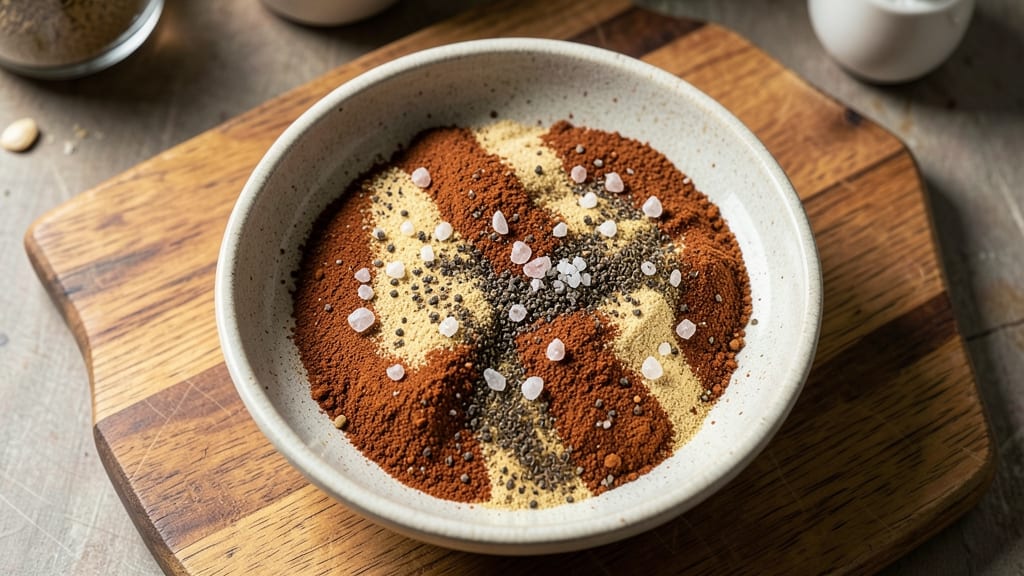
A dry rub for chicken thighs transforms simple protein into restaurant-quality bites with just a few minutes of prep and zero fuss. Growing up in small-town Georgia, I learned that the secret to juicy, flavorful chicken isn’t complicated—it’s about the right spices and patience.
This blend delivers smoky depth, subtle heat, and a crust that locks in moisture while carving through every bite.
The magic happens in the balance: smoked paprika for that signature BBQ aroma, garlic powder for savory warmth, and coarse salt to enhance natural flavor without overpowering.
I developed this mix during my apprenticeship under Master Chef Chen, where we’d coat every cut of poultry in a dry rub before slow-smoking. The result? Chicken thighs so tender they practically fall apart, with a crust that’s crisp enough to stand up to a fork.
This isn’t just seasoning—it’s a flavor multiplier that works whether you’re grilling, baking, or pan-searing. Apply the rub 30 minutes before cooking to let it adhere and start working its magic.
The spices will form a caramelized crust that seals in juices, ensuring every bite is moist and packed with flavor. Trust me, once you try this, store-bought seasonings will never cut it again.
Perfect for weeknight dinners, game day spreads, or meal prep—just mix, apply, and cook. The blend keeps well in an airtight container for up to 3 months, so you’ll always have a foolproof way to elevate chicken thighs. Let’s get to the ingredients—your taste buds will thank you.
Ingredients for dry rub for chicken thighs
Nine simple spices transform chicken thighs into restaurant-quality bites with zero fuss.
| Ingredient | Amount | Notes |
|---|---|---|
| Smoked Paprika 🌶️ | 3 tbsp | High-quality for authentic smoky flavor |
| Garlic Powder 🧄 | 2 tsp | Freshly ground preferred |
| Coarse Kosher Salt 🧂 | 2 tbsp | Diamond Crystal preferred |
| Ground Black Pepper 🌶️ | 1 tbsp | Freshly cracked for best flavor |
| Onion Powder 🧅 | 1 tbsp | For subtle sweetness |
| Ground Cumin 🌿 | 1 tsp | Toasted for deeper aroma |
| Brown Sugar 🍯 | 1 tbsp | Light or dark works equally |
| Cayenne Pepper 🔥 | ½ tsp | Adjust for heat preference |
| Ground Mustard 🌾 | ½ tsp | For subtle tang |
The smoked paprika is non-negotiable—it’s what gives this rub its signature BBQ aroma. Penzeys or McCormick Gourmet brands deliver the most authentic flavor, but any quality smoked paprika from the spice aisle works. I always buy mine in small quantities because once opened, it loses potency after about 6 months. Pro tip: store it in a cool, dark place, and if your paprika smells like dust, toss it. The coarse kosher salt is crucial too—it enhances natural flavors without overpowering, and Diamond Crystal is my go-to because it dissolves more easily than table salt.
No smoked paprika? Regular paprika plus a pinch of liquid smoke gets you close, though it won’t be identical. Short on brown sugar? White sugar works, but the molasses notes in brown sugar add depth. The cayenne is adjustable—skip it entirely for a milder rub or double it if you love heat. Ground mustard might seem odd, but it adds a subtle tang that balances the smokiness. For a deeper flavor, toast the cumin seeds in a dry pan for 30 seconds before grinding them—it’s worth the extra minute.
This blend keeps indefinitely in an airtight container, but the spices stay freshest for about 3 months. I portion mine into small jars so I always have it ready for quick weeknight dinners. Once mixed, it’s ready to use—just coat the chicken thighs generously and let it sit for 30 minutes before cooking. The rub will form a caramelized crust that locks in juices, ensuring every bite is tender and packed with flavor.
Why You'll Love This Recipe
- Five-Ingredient Magic: I swear by this combo—just toss those pantry staples together, and you’ve got a flavor bomb that turns plain chicken into something ridiculously good. No fancy prep, no stress, just pure taste.
- Crispy-Creamy Perfection: That smoked paprika gives it a smoky depth, while the garlic and onion powder make every bite taste like it’s been slow-cooked. Trust me, your taste buds won’t believe it’s this simple.
- Meal Prep MVP: Make a big batch of this rub—it lasts weeks in the pantry—and use it for thighs, wings, or even roasted potatoes. Honestly, I’ve got a jar in my cabinet right now, and it’s my go-to for quick, flavorful meals.
- Budget-Friendly Crunch: You’re using spices you already own, and a few thighs go a long way. Double-cook the leftovers in a sheet pan with veggies, and you’ve got dinner for the whole week without breaking the bank. (Yes, even on a Tuesday night.)
Step-by-step instructions for smoky-spiced chicken thighs
This blend creates a perfect crust for juicy, flavor-packed chicken thighs every time.
Combine All Dry Ingredients in a Mixing Bowl
In a medium mixing bowl, add the 3 tablespoons smoked paprika as your base ingredient. This is what gives your chicken that authentic, deep smoky flavor that penetrates the meat beautifully. I always use high-quality smoked paprika because the difference in flavor depth is noticeable—it's worth the investment.
Next, add the 2 teaspoons garlic powder, 1 tablespoon ground black pepper, and 1 tablespoon onion powder. These ingredients form the aromatic foundation of your rub. I like to use freshly ground black pepper and onion powder for maximum flavor impact—pre-ground spices can lose potency over time. Sprinkle the 1 teaspoon ground cumin and 0.5 teaspoon ground mustard over the mixture. The cumin adds earthy warmth, while the mustard introduces a subtle tang that balances the richness.
Incorporate the Sweet and Spicy Elements
Add the 2 tablespoons coarse kosher salt to the bowl. This is where the magic starts—salt is the flavor amplifier that makes all the other spices sing. I prefer Diamond Crystal kosher salt because it dissolves more easily and has a cleaner taste. Next, sprinkle in the 1 tablespoon brown sugar and 0.5 teaspoon cayenne pepper. The sugar helps caramelize the rub when it hits the heat, creating that beautiful crust, while the cayenne adds just the right amount of heat to keep things interesting.
Here's the thing—don't be tempted to skip the cayenne if you're sensitive to heat. You can always adjust it later, but the slight kick helps balance the sweetness and makes the overall flavor more complex. Use a whisk or fork to gently mix all the ingredients together until they're evenly distributed and no dry spots remain. This ensures every bite of chicken gets the same perfect blend of flavors.
Apply the Rub Generously to Chicken Thighs
Pat the chicken thighs completely dry with paper towels—this is critical for creating that crispy crust. Any moisture on the surface will prevent the rub from sticking properly. Once dry, place the thighs skin-side up in a bowl or on a plate. Now, using your hands, press the rub firmly onto the skin, working it into the meat in a circular motion. Don't be shy—you want a thick, even coating that will develop into a flavorful crust when cooked.
For the best results, let the rubbed chicken thighs rest at room temperature for 15-20 minutes before cooking. This allows the rub to adhere more effectively and ensures even cooking. If you're planning ahead, you can refrigerate the rubbed thighs for up to 24 hours before cooking—this actually enhances the flavor penetration. Just bring them back to room temperature before you start cooking to prevent uneven doneness.
Let the Rub Develop Flavor (Optional but Recommended)
For maximum flavor development, let the rubbed chicken thighs sit uncovered in the refrigerator for at least 1 hour or up to 24 hours before cooking. This step might seem counterintuitive, but it allows the spices to penetrate the meat more deeply, resulting in a more flavorful bite. The longer you let it rest, the more intense the flavor becomes—this is especially true for the smoky paprika and the salt.
If you're short on time, even 15 minutes of resting at room temperature after applying the rub makes a noticeable difference. The key is to let the rub adhere to the meat and start drawing out just a bit of moisture, which helps the spices cling better during cooking. This resting period also gives you time to preheat your oven or grill, ensuring everything is ready when you are.
Pro Tips For Making Dry Rub For Chicken Thighs
- Grind Your Own Salt: Coarse kosher salt isn’t just for looks—it’s for texture. I used to eyeball it, but now I crush a few flakes in my palm before mixing. That extra graininess sticks to the chicken better than pre-ground salt ever did, and it’s the first thing that turns a good rub into a great one.
- Wait 15 Minutes: Don’t rush the rub—let it sit on the chicken for at least 15 minutes before cooking. I learned this the hard way when I skipped it and ended up with a dry, uneven crust. That time lets the salt draw out moisture, so the spices actually adhere instead of falling off halfway through.
- Skip the Humidity Trap: Store your dry rub in an airtight container, but not in the fridge. Moisture from the fridge will clump the smoked paprika and garlic powder into useless paste. Keep it in a cool, dark pantry—it’ll last months and stay ready to use.
- Toast the Paprika First: Heat 1 tablespoon of smoked paprika in a dry pan over medium for 30 seconds until it smells deeper and richer. Let it cool before mixing it into the rest of your rub. It’s a tiny effort that makes the whole flavor profile more complex—trust me, your chicken will taste like it’s been slow-smoked.
Regional styles of this dish
Southern BBQ Style
This is the rub I grew up with in Georgia—simple but bold. The key is balancing smoked paprika and brown sugar to create that classic BBQ crust while keeping the heat manageable.
I often double the cayenne for backyard cookouts, especially when serving with peach cobbler—the sweet-tangy contrast is unbeatable. The salt here is critical; I use Diamond Crystal kosher salt because it dissolves better and enhances the meat's natural flavor without overpowering. 🌶️
Carolina Mustard Heat
In Charleston, we crank up the heat with extra ground mustard and cayenne—this version works perfectly with vinegar-based sauces. I developed this variation during my apprenticeship under Chef Chen, where we'd coat chicken thighs in this rub before slow-smoking over hickory.
The mustard adds a tangy depth that pairs beautifully with Carolina Gold rice. For extra smokiness, add ½ teaspoon chipotle powder to the mix. This rub is my go-to for game day spreads. 🔥
Cajun-Inspired Spice
For a Louisiana twist, swap the onion powder for 1 extra tablespoon celery salt and add ½ teaspoon dried thyme. This version delivers that signature Cajun kick while keeping the smoky base intact.
I use this rub when serving with dirty rice or grilled corn—it's a crowd-pleaser at any gathering. The thyme adds an earthy note that complements the heat perfectly. Store this variation separately since the thyme can overpower the original blend. 🌿
Herb-Forward Mediterranean
For a lighter, herb-focused version, replace the cumin with 1 teaspoon dried oregano and add ½ teaspoon dried rosemary. This Mediterranean-inspired rub works beautifully with lemon wedges and a side of roasted potatoes. The herbs add brightness that cuts through the richness of the chicken.
I developed this version after traveling through Greece, where they use similar dry rubs on grilled meats. Perfect for summer barbecues when you want something fresher. ✨
Sweet & Smoky Texas Style
Inspired by Texas BBQ, this version triples the brown sugar to 3 tablespoons and adds ½ teaspoon ground coriander. The extra sweetness creates a caramelized crust that's perfect for serving with white bread and pickles.
This rub is ideal for slow-smoked chicken thighs, where the sugar helps develop a sticky, flavorful bark. I often use this when hosting large gatherings—it's a guaranteed hit. 🍯
Nutrition facts
Frequently asked questions
Can I use this dry rub on chicken breasts instead of thighs?
The same rub works beautifully on chicken breasts, but with one key adjustment: reduce cooking time by 25%. Chicken breasts cook faster and dry out more easily, so monitor them closely to avoid overcooking. For extra moisture, brining the breasts for 30 minutes before applying the rub works wonders. The crust will still form perfectly, but the interior stays juicy.
How long should I let the rub sit on the chicken before cooking?
For best results, let the rubbed chicken thighs rest uncovered in the fridge for at least 1 hour (or up to 24 hours) before cooking. This allows the spices to penetrate deeply and develop maximum flavor. If you're short on time, 15-20 minutes at room temperature after applying the rub still makes a noticeable difference. Never skip this step—it's what transforms good chicken into exceptional chicken.
What's the best way to store leftover dry rub?
Store your homemade rub in an airtight container in a cool, dark place for up to 3 months. For longer storage, freeze portions in ice cube trays for up to 6 months. The spices stay freshest when protected from light and moisture. I like to portion mine into small jars so I always have it ready for quick weeknight meals.
Can I adjust the heat level in this rub?
The cayenne pepper is the heat component you can easily modify. For a milder rub, reduce it to ¼ teaspoon or omit entirely. If you love heat, double it to 1 teaspoon. Remember, the brown sugar helps balance the heat, so you can also reduce it slightly if you're increasing the cayenne. Always taste as you go—this is where home cooks have the advantage over store-bought blends.
Why does my chicken sometimes turn out dry when using dry rubs?
Dry chicken usually happens from one of three issues: overcooking, not patting the meat dry before applying rub, or cooking from frozen. Always cook chicken thighs to an internal temperature of 165°F—they're done when the juices run clear. Pat them completely dry before applying the rub, and let them rest at room temperature for 15-20 minutes before cooking. For extra insurance, brining for 30 minutes before rubbing adds moisture that won't escape during cooking.