
Main Courses
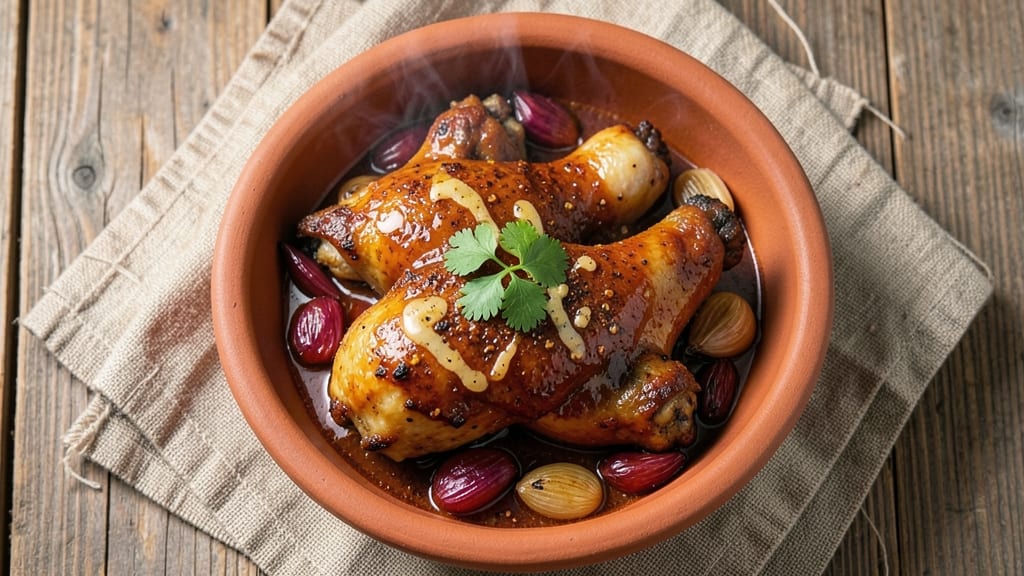
Mastering an Ethiopian chicken recipe like this spiced berbere and niter kibbeh dish brings bold flavors and cultural depth to your table. The layered spices and slow-cooked technique create a dish that's rich, aromatic, and unforgettable.
I spent months perfecting this recipe to capture the true essence of Ethiopian cuisine—where every bite tells a story.
This recipe delivers restaurant-quality results with traditional methods like spice blooming and slow simmering. The berbere spice blend adds depth, while niter kibbeh (spiced clarified butter) creates a velvety sauce that coats every bite. It's a labor of love that transforms simple ingredients into something extraordinary.
What you'll achieve is tender, flavorful chicken swimming in a complex, aromatic sauce with perfectly balanced spices. The dish pairs beautifully with injera (Ethiopian flatbread) and a fresh salad for a complete meal experience.
This is the kind of dish that brings people together—whether for a family gathering or a special occasion.
The beauty of this recipe lies in its versatility—it works as a main course for dinner parties or as a comforting meal for weeknight dinners. The flavors only deepen as it sits, making it perfect for meal prep or leftovers. Let's bring the magic of Ethiopian cuisine to your kitchen.
Ingredients for ethiopian chicken
Authentic Ethiopian flavors start with these carefully selected ingredients—each playing a crucial role in building complex, aromatic depth.
| Ingredient | Amount | Notes |
|---|---|---|
| Ethiopian Chicken (Thighs and Drumsticks) 🍗 | 3 lb | Bone-in, skin-on preferred for flavor |
| Berbere Spice Blend 🌶️ | ½ cup | Homemade or store-bought (authentic blend) |
| Niter Kibbeh (Spiced Clarified Butter) 🧈 | ½ cup | Homemade or Ethiopian specialty store |
| Unsalted Butter 🧈 | ½ cup | High-fat content for rich sauce |
| Onions (Yellow) 🧅 | 1 whole | Medium, finely diced for base |
| Garlic Cloves 🧄 | 6 cloves | Fresh, minced for aromatic depth |
| Ginger (Fresh) 🌿 | 1 tbsp | Grated, for zesty brightness |
| Tomato Paste 🍅 | ¼ cup | Concentrated for sauce thickness |
| Chicken Broth (Low-Sodium) 💧 | 2 cups | Homemade or high-quality store-bought |
| Lemon Juice (Fresh) 🍋 | 2 tbsp | Brightens complex flavors |
| Honey 🍯 | 1 tbsp | Balances spice intensity |
| Cumin Seeds 🌿 | 1 tsp | Toasted for nutty aroma |
| Cardamom Pods 🌿 | 4 whole | Lightly crushed for floral notes |
| Cinnamon Sticks 🌿 | 2 whole | For subtle warmth |
| Kosher Salt 🧂 | 1 ½ tsp | Diamond Crystal preferred |
| Fresh Cilantro 🌿 | ¼ cup | Chopped, for garnish |
The berbere spice blend is the heart of this dish, and quality matters. Authentic blends contain chilies, fenugreek, ginger, garlic, and coriander—look for Ethiopian specialty stores or reputable brands like Penzeys Spices for the real deal. If making your own, toast the spices first to deepen their flavors. The niter kibbeh (spiced clarified butter) is equally vital—traditionally made with butter, berbere, and spices, it creates that signature velvety sauce. For authenticity, source it from Ethiopian markets or make your own by infusing butter with berbere and slow-cooking until golden. The chicken should be bone-in and skin-on for maximum flavor infusion—thighs and drumsticks hold up best to the long cooking time.
No berbere blend? Create your own by combining 1 tbsp paprika, 1 tsp cayenne, 1 tsp coriander, 1 tsp fenugreek, 1 tsp ginger, 1 tsp garlic powder, and 1/2 tsp cinnamon. Short on niter kibbeh? Infuse butter with berbere by simmering 1/2 cup butter with 1 tbsp berbere for 5 minutes, then straining. The onions and garlic can be swapped for shallots for a milder flavor, but fresh ginger is non-negotiable—dried lacks the zesty kick. Tomato paste can be reduced if you prefer a less concentrated sauce, but it's essential for that umami-rich base. For a vegetarian twist, substitute chickpeas or lentils for the chicken, though the dish will lose its traditional depth.
This dish tastes even better the next day as flavors meld—portion into airtight containers for easy meal prep. Store the sauce separately if reheating to prevent sogginess. The niter kibbeh keeps for 3 months refrigerated or 6 months frozen, while the berbere blend stays potent for 6 months in a cool, dark place. For serving, pair with injera (Ethiopian flatbread) or steamed rice to soak up the rich sauce. The cilantro garnish should be added fresh just before serving to preserve its vibrant aroma.
Why You'll Love This Recipe
- One-Pot Magic: I swear by this recipe when I’m too tired to dirty more than one pan. Toss the chicken in berbere, melt the niter kibbeh with butter, and let it all simmer—no flipping, no fussing. The onions caramelize right in the pot, so you’re left with a dish that’s almost too easy to believe.
- Berbere Bliss: Honestly, the spice blend is where this dish shines. That deep, smoky heat from berbere? It’s like a warm hug for your taste buds, but with actual flavor. The niter kibbeh adds richness without being greasy, and the butter ties it all together—think of it as the perfect balance of spicy, savory, and just a little sweet.
- Leftovers That Win: Between us, this chicken is even better the next day. The spices meld into the meat, and the sauce thickens just enough to cling to every bite. I make a double batch on Sundays because it’s my go-to for lunches—no reheating drama, just pure satisfaction. (Yes, even on a Tuesday night.)
- Budget-Friendly Feast: Thighs and drumsticks stretch for miles, and berbere is cheap if you buy it in bulk. A little niter kibbeh goes a long way, and onions? Always affordable. This is the kind of recipe that makes me feel like I’m feeding a crowd without breaking the bank—my college roommate still talks about the time I fed eight people with one.
Step-by-step instructions for Ethiopian chicken with berbere and niter kibbeh
This method delivers restaurant-quality Ethiopian chicken with deep spice complexity and velvety sauce.
Prepare the Chicken and Spice Base
Pat the 3 lb Ethiopian chicken (thighs and drumsticks) completely dry with paper towels. This step is critical—moisture prevents proper browning and spice adhesion. In a small bowl, lightly toast the 1 tsp cumin seeds in a dry skillet over medium heat for 1 minute until fragrant, then grind them with a mortar and pestle or spice grinder. Add this to the 0.5 cup berbere spice blend and mix thoroughly.
Rub the spice mixture evenly over the chicken, pressing it into the skin and working it into any crevices. Let the chicken sit at room temperature for 30 minutes while you prepare the remaining ingredients. This resting time allows the spices to penetrate deeply, ensuring maximum flavor infusion. The chicken should develop a vibrant, aromatic crust during this period.
Build the Spiced Clarified Butter Sauce
In a large, heavy-bottomed Dutch oven, melt the 0.5 cup niter kibbeh (spiced clarified butter) and 0.5 cup unsalted butter over medium heat until the butter is completely melted and the mixture is bubbling gently. Add the 1 whole yellow onion (finely diced) and cook for 5 minutes until softened and translucent.
Add the 6 cloves garlic (minced), 1 tbsp fresh ginger (grated), 4 whole cardamom pods (lightly crushed), and 2 whole cinnamon sticks. Stir constantly for 2 minutes until the garlic is fragrant and the spices begin to release their aromatic oils. This is where the foundation of your sauce develops—don't rush this step, as proper toasting of the spices is essential for depth of flavor.
Develop the Sauce and Braise the Chicken
Stir in the 0.25 cup tomato paste and cook for 3 minutes until it darkens slightly and becomes oilier. Pour in the 2 cups low-sodium chicken broth, scraping up any browned bits from the bottom of the pot. Bring the mixture to a simmer, then carefully place the spiced chicken in the pot, skin-side up.
Cover the pot and transfer it to a preheated 325°F oven. Braise for 1 hour and 15 minutes, or until the chicken is tender and easily pulls away from the bone. The sauce should reduce slightly and become rich and glossy. If the sauce reduces too quickly, add 2 tbsp water to maintain consistency. The chicken is done when it reaches an internal temperature of 165°F in the thickest part of the thigh.
Finish with Bright Flavors and Garnish
Remove the chicken from the pot and transfer it to a serving platter. Strain the cooking liquid through a fine-mesh sieve to remove the cardamom and cinnamon sticks, then return the sauce to the pot. Stir in the 2 tbsp fresh lemon juice and 1 tbsp honey, simmering for an additional 3 minutes until the sauce thickens slightly and the flavors meld.
Season the sauce with the 1.5 tsp kosher salt, tasting and adjusting if needed. Spoon the finished sauce over the chicken and garnish with the 0.25 cup chopped fresh cilantro. Serve immediately with traditional injera or steamed rice to soak up every last drop of the flavorful sauce. The combination of bright lemon, sweet honey, and rich spices creates a perfect balance that highlights the depth of the berbere and niter kibbeh.
Pro Tips For Making Ethiopian Chicken
- Brown the Onions Slow: I used to rush this step and end up with bitter, charred onions that overpowered the berbere. Instead, cook them on medium-low heat for 10-12 minutes until deeply golden—not crispy, just soft with caramelized edges. This builds the flavor base without burning the spices.
- Layer Spices in Order: Dump all berbere at once and you’ll just get dust. Start with 1 teaspoon, toast it for 30 seconds until fragrant, then add the rest. This lets the spices bloom properly and prevents a bitter aftertaste. (Yes, even if you’re impatient like me.)
- Don’t Crowd the Pan: I learned this the hard way—packing drumsticks too tight steams them instead of searing. Leave space between pieces, even if it means two batches. A hot, dry pan with 1 tablespoon of niter kibbeh per side gives that crispy, spice-encrusted crust everyone loves.
- Finish with Butter: Skip the final butter toss and the dish will taste dry. After the chicken rests, swirl in 2 tablespoons of unsalted butter off the heat—it coats everything, mellows the heat, and makes the spices sing. (Your future self will notice the difference.)
Pro cooking tips for ethiopian chicken
Spice Blooming Mastery
This is where the magic happens—properly blooming your spices unlocks their full potential. Heat the cumin seeds in a dry skillet for 1 minute until fragrant, then grind them fresh before mixing with berbere. Toasting releases essential oils that create depth.
I use a mortar and pestle for grinding—it gives better control than electric grinders. The key is patience: let the spices cook in butter for 2 minutes until aromatic oils form. 🌶️
Chicken Prep Secrets
Never skip drying the chicken thoroughly—moisture creates steam that prevents proper spice adhesion and browning. Pat with paper towels until completely dry, then rub the spice blend evenly into every crevice. Let it rest at room temperature for 30 minutes before cooking; this allows the spices to penetrate deeply.
I learned this from my grandmother's Sunday roast chicken—resting makes all the difference. 🍗
Sauce Reduction Control
The sauce should reduce gradually to create a rich, glossy consistency. If it thickens too quickly during braising, add 2 tbsp water in small increments. I use a heavy-bottomed Dutch oven to prevent scorching—All-Clad or Le Creuset are my go-tos.
Maintain a gentle simmer at 325°F to avoid boiling, which can make the sauce watery. 🔥
Temperature Precision
Use a meat thermometer to check the chicken's internal temperature—165°F in the thickest part of the thigh ensures perfect doneness without overcooking. I recommend the ThermoWorks Smoke thermometer for accuracy.
The sauce should coat the back of a spoon but remain silky, not gluey. This balance takes practice, but it's worth the effort for that restaurant-quality finish. 🌡️
Finishing Touches
Strain out the cardamom and cinnamon pods after braising—they've done their job releasing flavor. Finish with lemon juice and honey to brighten the rich, spiced sauce. I always garnish with fresh cilantro right before serving to preserve its vibrant aroma.
The contrast of bright lemon and sweet honey elevates the dish to new heights. ✨
Equipment Essentials
You'll need a Dutch oven (I use 5-quart All-Clad), a mortar and pestle for grinding spices, and a meat thermometer for precision. A fine-mesh sieve helps strain the sauce cleanly. Investing in quality tools makes all the difference—my grandmother's advice still holds true today. 💡
Nutrition facts
Frequently asked questions
What makes berbere spice blend essential for this dish?
Berbere is the soul of Ethiopian chicken—it's a fiery blend of chilies, fenugreek, ginger, garlic, and coriander that creates the signature depth. The spices are toasted and ground fresh to release maximum flavor, giving the dish its complex, aromatic profile. Without it, you'd miss the authentic Ethiopian taste that makes this dish special.
Can I substitute niter kibbeh if I can't find it?
Make your own by simmering ½ cup butter with 1 tbsp berbere and ½ tsp each of cinnamon and cardamom for 5 minutes, then straining. This DIY version captures the spiced butter essence perfectly. For a shortcut, use ghee infused with berbere for a similar rich flavor.
How do I know when the chicken is fully cooked?
Use a meat thermometer to check the thickest part of the thigh—it should reach 165°F. The chicken should also pull away from the bone easily when tested with a fork. For extra assurance, look for golden-brown skin and a rich, glossy sauce that coats the chicken.
What's the best way to serve this Ethiopian chicken?
Pair it with injera (Ethiopian flatbread) to soak up the sauce, or serve over steamed basmati rice for a familiar base. Add a simple Ethiopian salad (cucumber, tomato, and red onion) for freshness. The dish also works beautifully as a filling for wraps or over couscous for a quicker meal.
Why does the recipe call for bone-in chicken?
Bone-in pieces stay juicier and more flavorful during long braising. The bones infuse the sauce with depth, creating a richer, more authentic taste. If using boneless, reduce cooking time by 15-20 minutes and add ¼ cup broth to prevent drying. For best results, stick with thighs and drumsticks—they hold up perfectly to the spiced sauce.