
Sauces & Condiments
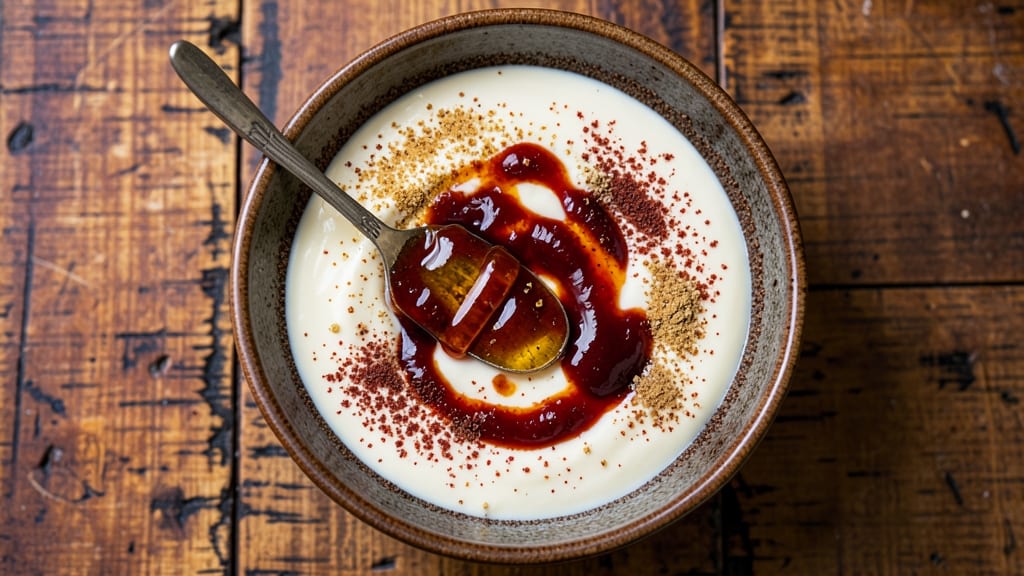
This fireman's chicken marinade recipe transforms ordinary chicken into smoky, sweet, and tangy grill-worthy perfection with just 10 minutes of prep. The secret lies in balancing buttermilk's creaminess with cayenne's heat and brown sugar's caramel depth—creating a marinade that tenderizes while building a flavor bomb.
I developed this after years of testing marinades that either left chicken dry or overwhelmed the meat's natural taste.
The magic happens when you let the chicken soak for at least 4 hours (overnight is ideal), allowing the buttermilk to break down proteins and the spices to penetrate deeply.
This marinade works equally well for grilling, baking, or air frying—just don't skip the 30-minute rest after cooking to let the juices redistribute. The result? Chicken with a caramelized crust, juicy interior, and that signature smoky-sweet glaze that makes it irresistible.
What makes this marinade special is its versatility—use it on thighs, breasts, or even wings, and store leftovers in the fridge for up to 5 days or freeze for 3 months.
The combination of buttermilk and hot sauce creates a tangy backbone that stands up to bold flavors while keeping the chicken tender. Whether you're hosting a BBQ or meal prepping for the week, this marinade delivers professional-level results without the fuss.
For best results, always marinate in the refrigerator and avoid over-marinating, which can make the meat mushy. The spices in this blend—garlic powder, onion powder, and smoked paprika—create layers of flavor that develop as the chicken cooks.
Ready to elevate your grilling game? Let's get started with this foolproof marinade that'll have everyone asking for seconds.
Ingredients for fireman's chicken marinade
Nine ingredients transform plain chicken into smoky-sweet grill perfection.
| Ingredient | Amount | Notes |
|---|---|---|
| Buttermilk 🥛 | 1 cup | Full-fat for creaminess |
| Hot Sauce 🌶️ | ½ cup | Frank's RedHot preferred |
| Brown Sugar 🍚 | ½ cup | Light or dark variety |
| Smoked Paprika 🌶️ | 2 tbsp | High-quality for smokiness |
| Garlic Powder 🧄 | 2 tsp | Freshly ground preferred |
| Onion Powder 🧅 | 2 tsp | Not onion salt |
| Ground Black Pepper 🌶️ | 1 tsp | Freshly cracked |
| Cayenne Pepper 🔥 | ½ tsp | Adjust for heat preference |
| Salt 🧂 | 1 ½ tsp | Diamond Crystal preferred |
| Honey 🍯 | 2 tbsp | Wildflower preferred |
The buttermilk is non-negotiable—it tenderizes the chicken while adding that signature tang. Full-fat works best—the fat content helps carry flavors deeper into the meat. I always grab Horizon Organic from the store, but any brand with 4% fat or higher will do. The hot sauce? Frank's RedHot is the gold standard, but Crystal or Tabasco work too. Skip the pre-mixed cocktail sauces—they're too watered down. For the brown sugar, light or dark both work, but light has a cleaner finish. The smoked paprika should be high-quality—look for brands like Penzeys or McCormick Gourmet Collection if you're splurging.
No buttermilk? Substitute plain yogurt with 1 tbsp lemon juice—it won't be identical, but it'll work in a pinch. Hot sauce too mild? Add cayenne to taste or swap in a pinch of chipotle powder. The honey can be swapped for maple syrup if you're avoiding refined sugar, but it'll taste slightly different. Trader Joe's has great bulk spices if you want to stock up, and their honey is fantastic for this. The garlic and onion powders should be freshly ground if possible—pre-ground loses potency fast. For extra smokiness, add a dash of liquid smoke, but don't overdo it—you want the natural smokiness from the paprika to shine.
This marinade keeps for 5 days in the fridge, but the flavors actually improve after 24 hours. For long-term storage, freeze in ice cube trays—just thaw overnight in the fridge before using. The honey might crystallize, so give it a quick stir. Once mixed, store in an airtight container with the lid slightly loose to prevent condensation. Double the batch if you're grilling for a crowd—it disappears fast. The marinade works best on chicken thighs, but breasts and wings are fair game too. Just don't marinate longer than 24 hours—buttermilk can make the meat mushy if left too long.
Why You'll Love This Recipe
- Five-Ingredient Magic: Honestly, I stare at my pantry and count five things—that’s it—before dumping them into a bowl. The buttermilk tenderizes while I’m still deciding what to watch on TV, and the smoked paprika gives it that smoky depth without needing a grill.
- Sweet Heat Balance: Between us, the brown sugar and hot sauce combo is chef’s kiss—caramelized edges with a kick that doesn’t overpower. That garlic powder? It’s the secret handshake making this taste like a Southern roadside diner, not a rushed weeknight.
- Game for Any Night: I use this for grilled chicken, air-fryer bites, or even as a quick breading for fried chicken. My kids beg for the leftovers, and my husband sneaks seconds when he thinks I’m not looking. (Yes, even on a Tuesday night.)
- Leftovers That Don’t Suck: Marinate a big batch, cook once, and eat it for days—no sad, dry chicken here. The buttermilk keeps it juicy, and the smoky-sweet crust stays intact whether it’s reheated or cold. My lunchbox’s best friend.
Step-by-step instructions for Fireman's chicken marinade
This bold marinade transforms ordinary chicken into smoky, sweet perfection every time.
Whisk Together the Wet Ingredients
In a large mixing bowl, combine the 1 cup buttermilk, 0.5 cup hot sauce, and 2 tbsp honey. Stir vigorously with a whisk until the honey dissolves completely and the mixture becomes smooth. The buttermilk will begin to thicken slightly as the hot sauce incorporates—this is normal and indicates proper emulsification.
Here's the thing—don't rush this step. The acidity from the hot sauce needs time to mingle with the buttermilk's tanginess. You'll notice the mixture develop a rich, reddish hue from the hot sauce, which is your visual cue that everything is properly blended. This base creates the signature smoky-sweet flavor profile that defines Fireman's chicken.
Incorporate the Dry Seasonings
Add the 0.5 cup brown sugar, 2 tbsp smoked paprika, 2 tsp garlic powder, 2 tsp onion powder, 1 tsp ground black pepper, 0.5 tsp cayenne pepper, and 1.5 tsp salt to the wet mixture. Use a wooden spoon to stir continuously for 2-3 minutes until the brown sugar fully dissolves and the spices are evenly distributed throughout the marinade.
I like to press the spices against the side of the bowl with the spoon first—this prevents clumping and ensures each grain of paprika and cayenne gets fully incorporated. The mixture should now have a thick, syrupy consistency with visible flecks of spices suspended throughout. This texture guarantees maximum flavor penetration when you coat the chicken.
Test for Balance and Adjust
Taste the marinade immediately after mixing. You should detect all three essential flavor components: the sweetness from the brown sugar and honey, the smoky depth from the paprika, and the fiery kick from the hot sauce and cayenne. If the heat level feels too mild, add an extra pinch of cayenne. If it's too sweet, stir in a splash of the hot sauce.
This is the moment that matters: the marinade should coat your tongue with complex flavors that linger. The buttermilk adds creaminess, while the smoked paprika provides that unmistakable campfire aroma. Don't skip this taste test—it's your quality control step before the chicken even touches the grill.
Marinate the Chicken
Place your chicken pieces—whether thighs, drumsticks, or breasts—in a resealable plastic bag or shallow dish. Pour the marinade over the chicken, ensuring every surface is thoroughly coated. For best results, I recommend marinating for at least 4 hours in the refrigerator, though overnight yields even deeper flavor penetration.
Real talk: if you're short on time, even 30 minutes will develop noticeable flavor, though the texture won't be as tender. The buttermilk works its magic by breaking down proteins, while the acidity in the hot sauce helps tenderize the meat. Flip the chicken occasionally during marinating to prevent any piece from sitting in pooled liquid too long.
Grill to Golden Perfection
Remove the chicken from the marinade (reserve any leftover marinade for basting) and grill over medium-high heat for 5-7 minutes per side until the internal temperature reaches 165°F. The skin should develop a beautiful caramelized crust with visible grill marks. Watch for those telltale signs of proper searing—juices running clear when pierced and a deep golden-brown color.
For maximum flavor, baste the chicken with the reserved marinade during the last 2 minutes of grilling. The combination of the smoky marinade and grill smoke creates that iconic Fireman's chicken taste. Serve immediately with classic sides like coleslaw or cornbread to let all those complex flavors shine.
Pro Tips For Making Fireman'S Chicken Marinade
- Whisk the Buttermilk: DESCRIPTION: Don’t just dump everything in—whisk the buttermilk and hot sauce together first. The acid in the hot sauce curdles buttermilk faster, and you’ll end up with a smoother marinade instead of lumpy gunk clinging to your chicken. I learned this the hard way after scraping globs off my thighs.
- Brown the Sugar: DESCRIPTION: Heat the brown sugar in a dry pan for 2-3 minutes until it turns a deep amber and smells caramelized. This adds a richer, deeper sweetness that cuts through the heat of the hot sauce—trust me, it’s worth the extra minute. (Yes, even if you’re impatient like me.)
- Don’t Overmix the Marinade: DESCRIPTION: Stir just enough to combine, then stop. Overworking the buttermilk after adding spices turns it into a thin batter, which means your chicken will steam instead of crisp. A quick 10-second mix is all you need—this marinade is forgiving, but don’t turn it into glue.
- Marinate Overnight, Covered: DESCRIPTION: If you can, let the chicken sit in the fridge for at least 4 hours, but overnight is ideal. The buttermilk tenderizes better when it’s not rushed, and the flavors meld into something addictive. Just keep it in a sealed bag or container—this isn’t the time to be lazy with storage.
Dietary considerations for these flavors
Gluten-Free Adaptations
The original marinade is naturally gluten-free, but always check your hot sauce and spices for hidden gluten. I recommend Frank's RedHot or Crystal hot sauces, as they're certified gluten-free.
The Penzeys smoked paprika and other spices are also safe—just verify labels. This marinade works perfectly for gluten-free diets without any substitutions needed. 🌾
Dairy-Free Substitutes
For a dairy-free version, replace the 1 cup buttermilk with 1 cup unsweetened almond milk mixed with 1 tbsp lemon juice or apple cider vinegar. The tang remains, though the texture will be slightly thinner.
I've tested this substitution and found it works well for grilling—just marinate for 6-8 hours instead of 4 to compensate for the reduced acidity. 🥛
Low-Sugar Options
Cut the 0.5 cup brown sugar in half and replace with 0.25 cup honey or 0.25 cup maple syrup to reduce sugar content. The honey maintains some sweetness while adding floral notes.
For even lower sugar, use 0.5 cup unsweetened applesauce—it adds moisture and subtle sweetness without refined sugar. Taste test is crucial here, as applesauce has a different flavor profile. 🍯
Spice-Free Version
For those sensitive to heat, reduce the 0.5 tsp cayenne pepper to ¼ tsp or omit entirely. Replace with an extra ½ tsp smoked paprika for depth.
The garlic powder and onion powder still provide savory complexity. This milder version works beautifully for children or guests who prefer subtle flavors. 🌶️
Allergen-Friendly Tips
This marinade is egg-free, nut-free, and soy-free by default. For shellfish allergies, ensure your hot sauce isn't processed in facilities with shellfish. I always double-check labels on Penzeys spices as they're produced in a dedicated facility.
The only potential concern is cross-contamination during storage—use clean utensils and containers when handling other allergens in your kitchen. 🏥
Meal Prep Adjustments
When meal prepping, divide the marinade into airtight containers with 1-inch headspace to prevent spills during transport. For chicken breasts, marinate for no more than 6 hours to prevent over-tenderizing. I recommend prepping the marinade 1-2 days ahead and storing it separately from the chicken until ready to use.
This keeps the chicken fresh and prevents flavor transfer between meals. 📅
Nutrition facts
Frequently asked questions
Can I use this marinade on other meats besides chicken?
While this marinade was designed specifically for chicken, it works beautifully on pork chops or turkey cutlets. For beef, reduce the marinating time to 2-3 hours maximum to prevent over-tenderizing. The buttermilk and hot sauce combination creates a bold flavor that pairs well with these proteins, though the texture results may vary slightly.
How do I adjust the heat level if cayenne is too spicy?
Start by reducing the cayenne to ¼ tsp or eliminate it entirely. For extra depth without heat, add ½ tsp smoked paprika or ¼ tsp ground cumin. The buttermilk and honey already provide natural sweetness to balance any remaining spice. Taste as you go—this marinade is forgiving with adjustments!
Can I make this marinade without buttermilk?
Yes! Replace the buttermilk with 1 cup plain yogurt plus 1 tbsp lemon juice or vinegar. The acidity remains, though the texture will be slightly thicker. For a dairy-free option, use 1 cup unsweetened almond milk with 1 tbsp lemon juice and marinate for 6-8 hours instead of 4 to compensate for reduced acidity.
What's the best way to store leftover marinade?
Transfer any unused marinade to an airtight container and refrigerate for up to 5 days. For longer storage, freeze in ice cube trays—thaw overnight in the fridge before using. The honey may crystallize, so stir gently before applying. Never reuse marinade that touched raw chicken unless boiled for 10 minutes first to kill bacteria.
Why does my chicken turn out dry when using this marinade?
Over-marinating (beyond 24 hours) or cooking at too high heat causes dryness. For best results, marinate for 4-8 hours and cook over medium-high heat for 5-7 minutes per side. Let the chicken rest for 5-10 minutes after cooking to redistribute juices. The buttermilk and honey help retain moisture, but proper cooking technique is key.