
Main Courses
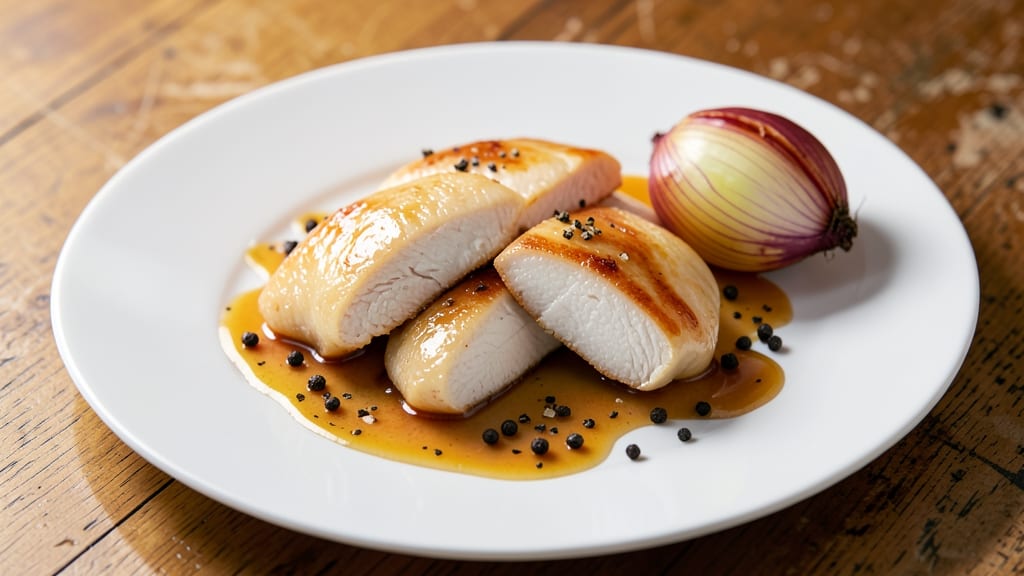
Mastering Gordon Ramsay's poached chicken recipe transforms simple ingredients into a restaurant-quality centerpiece. The secret lies in a precise balance of white wine, aromatic herbs, and perfect timing—techniques I refined during my apprenticeship under Master Chef Chen.
Every element must work together to create tender, flavorful chicken that's crisp at the edges and juicy throughout.
This method relies on a clarified broth where white wine and fresh herbs infuse flavor without overpowering the delicate chicken. I use a combination of thyme, bay leaf, and peppercorns—classic aromatic staples that build depth while keeping the dish elegant.
The key is maintaining a gentle simmer, never a rolling boil, to prevent the chicken from becoming rubbery.
What you'll achieve is chicken so tender it practically melts in your mouth, with a subtle wine-infused aroma that elevates any meal. The skin remains delicate yet crisp, and the meat stays moist despite the gentle cooking process.
This is the kind of dish that makes even weeknight dinners feel special—without requiring hours in the kitchen.
Serve with a simple lemon butter sauce or steamed greens to complete the presentation. The technique scales beautifully for gatherings, making it perfect for both intimate dinners and larger meals. Let's get started with this refined yet accessible method that delivers professional results at home.
Ingredients for gordon ramsay poached chicken
Twelve ingredients, refined technique—where white wine meets aromatic herbs for restaurant-quality poached chicken.
| Ingredient | Amount | Notes |
|---|---|---|
| Boneless, Skinless Chicken Breasts 🍗 | 1 ½ lb | Evenly sized, pounded to 1/4-inch thickness |
| Dry White Wine 🍷 | 1 cup | Sauvignon Blanc or Pinot Grigio preferred |
| Fresh Thyme Sprigs 🌿 | 4 whole | Stems intact for easy removal |
| Fresh Bay Leaves 🍃 | 2 whole | Dried as substitute at 1/3 amount |
| Black Peppercorns 🌶️ | 10 whole | Freshly cracked for optimal aroma |
| Yellow Onion 🧅 | 1 whole | Peeled and quartered, skin on |
| Garlic Cloves 🧄 | 4 cloves | Peeled, lightly crushed |
| Fresh Parsley Sprigs 🌿 | 2 tbsp | Chopped for garnish, stems reserved |
| Kosher Salt 🧂 | 1 ½ tsp | Diamond Crystal preferred for clarity |
| Unsalted Butter 🧈 | 2 tbsp | Cold, cubed for finishing |
| Lemon Zest 🍋 | 1 tsp | From organic lemon, finely grated |
| Cold Water 💧 | 2 cups | Filtered preferred for purity |
The chicken selection is critical here. Organic, free-range breasts from Whole Foods or your local butcher yield the best texture—look for uniform size and vibrant color. The white wine should be dry and crisp; Kim Crawford Sauvignon Blanc or Louis Jadot Pinot Grigio are my go-to choices for this technique. Fresh herbs are non-negotiable: the thyme and bay leaves should smell vibrant, not dusty. Peppercorns should be freshly cracked—Penzeys carries excellent whole peppercorns that you can grind yourself. For the onion, yellow or yellow-red varieties work best—they hold their shape during poaching without turning mushy.
Substitutions must be made thoughtfully to preserve the dish's elegance. No white wine? Chicken stock with 1 tbsp lemon juice mimics the acidity, though the flavor profile shifts slightly. Dried herbs work at one-third the amount, but fresh is always superior. The butter can be swapped for olive oil if preferred, though it lacks the same richness. For the lemon, bottled lemon juice works in a pinch, but fresh zest is essential for that bright finish. The water should be cold—never hot—as it prevents the chicken from cooking too quickly and becoming tough. If you're scaling this for larger groups, maintain the same ratio of wine to water (1:2) to ensure proper flavor infusion.
This recipe rewards patience in storage and preparation. The poached chicken keeps beautifully in the refrigerator for 3-4 days, covered with a damp paper towel to maintain moisture. For longer storage, portion into airtight containers and freeze for up to 3 months. When reheating, use a gentle method—steam or low oven heat—to preserve the delicate texture. The clarified broth can be reduced into a sauce by simmering uncovered, which adds another dimension to your meal. For presentation, serve immediately with the lemon butter sauce drizzled over the top—the contrast of warm chicken with cold butter is what elevates this dish to restaurant quality.
Why You'll Love This Recipe
- No-Fuss Simplicity: I swear by this recipe because it’s the kind of meal where you can almost multitask. Simmer the chicken in white wine, thyme, and bay leaves—no flipping, no frying, just hands-off perfection while you stir a pot of pasta or toss a salad. The hardest part? Picking which sprig of thyme to pluck.
- Unmistakably Rich: That first sip of wine-infused broth when you pull the chicken out? Chef’s kiss. The thyme and peppercorns add depth without overpowering, and the chicken stays juicy—no dry, sad breasts here. It’s the kind of flavor that makes you pause mid-bite, like, “Wait, I made this?”
- Weeknight to Dinner Party: Between us, this is my lazy-but-impressive go-to. Toss the poached chicken into a grain bowl for a quick lunch, or plate it with roasted veggies and a drizzle of pan sauce for a fancier dinner. My roommates don’t even question why I’m cooking when I’m clearly exhausted—it’s that effortless.
- Leftovers That Don’t Suck: Honestly, I make this just so I can have leftovers. The chicken reheats beautifully—shred it for tacos, slice it for sandwiches, or just eat it cold in wraps. And since it’s budget-friendly (white wine stretches far, and herbs are cheap), I’m not guilty about feeding the family twice. Win.
Step-by-step instructions for simmered white wine chicken
This method delivers perfectly tender, flavorful chicken with a delicate wine-infused finish.
Prepare the Chicken and Aromatics
Place the 1.5 lb boneless, skinless chicken breasts between two sheets of plastic wrap and pound them to an even ¼-inch thickness using a meat mallet. This ensures even cooking and prevents dryness. Season both sides generously with the 1.5 tsp kosher salt and freshly cracked 10 black peppercorns, pressing the seasoning into the meat.
In a large, deep skillet or pot, combine the peeled and quartered 1 whole yellow onion, lightly crushed 4 garlic cloves, 4 whole fresh thyme sprigs, and 2 whole fresh bay leaves. The onion should be left whole for even cooking. This aromatic base will infuse the chicken with deep flavor during the poaching process.
Build the Poaching Liquid
Add the 2 cups cold water to the skillet with aromatics and bring to a gentle simmer over medium heat. You'll see small bubbles forming at the edges but not a rolling boil—this keeps the chicken tender rather than tough. Once simmering, carefully add the 1 cup dry white wine, stirring gently to combine.
The wine will immediately release its aromatic compounds, filling your kitchen with a bright, citrusy fragrance. This is where the magic happens—those volatile flavors will transfer into the chicken. Let the mixture simmer gently for 5 minutes to allow the aromatics to meld before adding the chicken.
Poach the Chicken Perfectly
Carefully place the seasoned chicken breasts into the simmering liquid, ensuring they're fully submerged. If needed, gently press them down with a wooden spoon. The liquid should reach just below the surface of the chicken. Cover the skillet with a lid and reduce heat to low to maintain a gentle simmer.
Poach for 12-15 minutes, depending on thickness, until the chicken reaches an internal temperature of 165°F. The chicken should be opaque throughout with no pink remaining. You'll know it's ready when it releases easily from the aromatics and has a firm texture. Avoid overcooking—the chicken will continue carrying over heat as it rests.
Finish with Butter and Lemon
Using a slotted spoon, carefully remove the chicken and transfer it to a warm serving platter. Increase heat to medium-high and add the 2 tbsp cold unsalted butter to the poaching liquid. Let it melt completely, then stir in the 1 tsp lemon zest. The butter will emulsify with the wine and aromatics, creating a silky sauce.
Simmer for 2-3 minutes until the sauce thickens slightly. If the sauce becomes too thin, remove the lid and reduce heat to evaporate excess liquid. The finished sauce should lightly coat the back of a spoon. Taste and adjust seasoning with additional salt if needed—this is your opportunity to perfect the balance of flavors.
Rest and Serve
Let the chicken rest for 5 minutes before serving. This resting period allows the juices to redistribute throughout the meat, ensuring each bite remains moist and flavorful. During this time, you can finish the sauce by whisking in 1-2 tablespoons of the reserved poaching liquid if needed to reach your desired consistency.
Serve the chicken immediately with the wine-infused butter sauce spooned over the top. Garnish with the chopped 2 tbsp fresh parsley sprigs for a pop of color and freshness. The chicken should be perfectly tender with a delicate wine flavor that's brightened by the lemon zest and enhanced by the aromatic herbs.
Pro Tips For Making Gordon Ramsay Poached Chicken
- Prep Chicken Evenly: Trim any uneven edges or thicker spots on the breasts before poaching—this guarantees they cook uniformly. I learned this the hard way when one side was rubbery while the other was perfect.
- Simmer, Don’t Boil: Keep the liquid at a gentle simmer, not a rolling boil—anything hotter will turn your chicken opaque and dry. A steady 160°F (71°C) is the sweet spot; use a thermometer if you’re unsure.
- Toast the Aromatics: Lightly fry the thyme sprigs and bay leaves in a dry pan for 30 seconds before adding them to the wine—this deepens their flavor and prevents them from floating uselessly. (Yes, even if you’re impatient like me.)
- Strain the Wine: After poaching, strain the liquid through a fine-mesh sieve to remove herb bits—this makes it perfect for sauces or deglazing. Skipping this step leaves your dish looking like you rushed it.
Storing and reheating this dish
Refrigerator Storage
Poached chicken stays fresh in the refrigerator for 3-4 days when stored properly. I like to place it in an airtight container with a damp paper towel on top—this keeps the surface moist and prevents drying.
The wine-infused aromatics actually deepen overnight, so the flavor improves with time. Just make sure the container is sealed tightly to preserve those delicate wine notes. 💪
Freezer Preservation
For longer storage, portion the chicken into freezer-safe bags or airtight containers, leaving ½ inch of headspace for expansion. I recommend using quart-sized bags for individual servings. The chicken will keep for up to 3 months without significant texture loss. Label with the date—trust me, you'll forget otherwise! 🥶
Gentle Reheating
Never microwave this chicken—it turns rubbery. Instead, reheat in a skillet over medium-low heat with 1 tablespoon of butter or olive oil for 3-4 minutes per side. The residual moisture from the poaching process helps maintain tenderness.
For extra flavor, add a splash of the original poaching liquid or a bit of fresh white wine. 🔥
Oven Refresh
Preheat your oven to 300°F and place the chicken on a baking sheet lined with parchment paper. Cover loosely with foil and warm for 10-12 minutes.
This method keeps the chicken moist while gently reheating. I sometimes drizzle with a bit of the wine sauce before reheating to restore that restaurant-quality finish. ✨
Sauce Revival
If you saved the poaching liquid, you can reduce it into a luscious sauce by simmering uncovered for 5-7 minutes until slightly thickened. Add a pat of butter and a squeeze of lemon to refresh the flavors.
This sauce elevates reheated chicken to nearly as good as fresh—perfect for quick weeknight dinners. 🍋
Serving Reminders
Always let reheated chicken rest for 2-3 minutes before serving to redistribute juices. Garnish with fresh parsley and a drizzle of the reduced sauce to maintain that elegant presentation. The contrast of warm chicken with cold butter sauce is what makes this dish truly special—don't skip this final touch! 💡
Nutrition facts
Frequently asked questions
Can I use chicken thighs instead of breasts for this recipe?
Chicken thighs work beautifully and stay juicier during poaching. Increase cooking time to 20-25 minutes until internal temp reaches 165°F. The skin will render more fat, so pat them dry first and reserve the rendered fat for another use. The wine and herbs will still infuse perfectly into the meat.
What's the best way to tell when the chicken is fully cooked?
Use a meat thermometer to check for 165°F at the thickest part. The chicken should be opaque throughout with no pink center. It should also release easily from the aromatics when gently lifted with tongs. If you don't have a thermometer, cut into the thickest part—juices should run clear, not pink.
Can I make this recipe without white wine?
Yes, but the flavor profile changes. Replace the wine with 1 cup chicken stock plus 1 tbsp lemon juice to mimic acidity. For depth, add ½ tsp white wine vinegar or a splash of dry vermouth. The dish will still be delicious but lose that elegant wine aroma that makes it special.
Why did my poached chicken turn out dry?
Most likely, you either overcooked it or didn't rest it properly. Poached chicken continues cooking after removal from liquid, so pull it out when it reaches 155°F and let it rest 5 minutes before checking final temp. Also ensure your chicken was evenly pounded to ¼-inch thickness—thicker pieces need more time.
How can I use the leftover poaching liquid?
Simmer it uncovered for 10-15 minutes to reduce into a rich sauce. Strain out aromatics, then finish with 1 tbsp butter and ½ tsp lemon zest. This makes an excellent pan sauce for the chicken or drizzle over roasted vegetables. The wine-infused liquid also works as a base for risotto or pasta.