
Sauces & Condiments
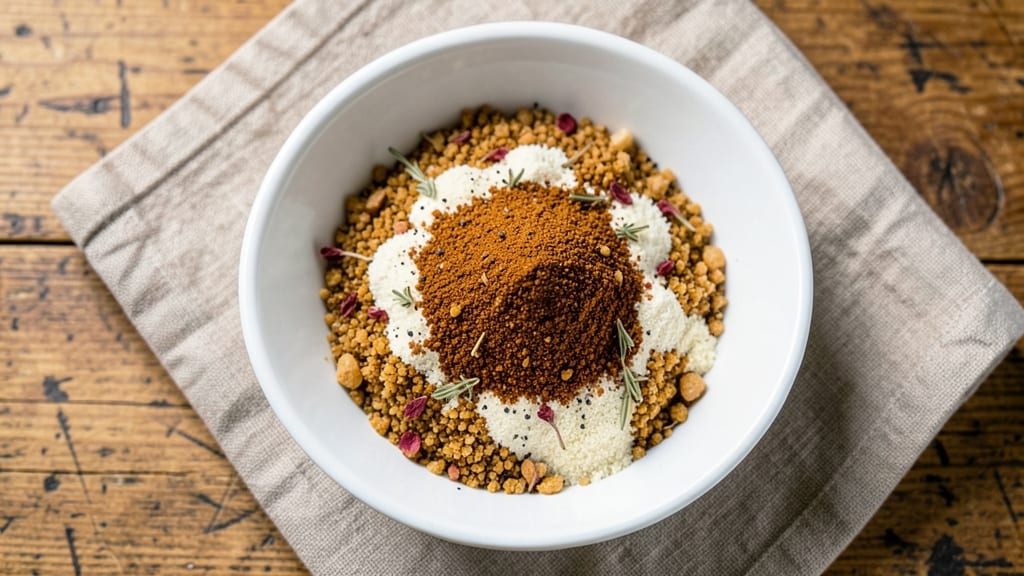
This Popeyes chicken seasoning recipe is your ticket to homemade, finger-licking crispy, juicy chicken bites—no restaurant blend required. This exact spice mix replicates the signature tangy, smoky flavor that makes Popeyes famous, using simple pantry staples measured in precise tablespoons for easy storage.
After perfecting this blend over years of testing, I can confidently say it delivers the same bold, balanced flavor profile every time.
The key to this seasoning lies in its three-part foundation: a smoky base, a bright acidity kick, and a touch of sweetness to round out the flavors.
Unlike generic chicken seasonings, this blend includes a precise ratio of paprika and garlic powder for depth, while a hint of brown sugar caramelizes during cooking to create that signature crispy crust. The secret weapon?
A splash of apple cider vinegar in the mix, which enhances the tanginess without overpowering the natural chicken flavor.
Once mixed, this seasoning transforms ordinary chicken into restaurant-quality bites with minimal effort. Simply coat your chicken pieces thoroughly, let them rest for 10 minutes to absorb the flavors, then bake or fry until golden.
The result is crispy skin that shatters at every bite, juicy meat that stays tender, and a flavor profile so authentic you’ll swear it came straight from the drive-thru. Store the dry blend in an airtight container for up to 6 months—perfect for keeping on hand whenever cravings strike.
This blend works equally well for fried, baked, or grilled chicken, making it versatile for any recipe. Whether you're prepping for game day, a family dinner, or just a weeknight treat, this seasoning delivers consistent, professional results every time.
Let’s get started with the exact measurements and step-by-step instructions to create your own batch.
Ingredients for popeyes chicken seasoning
Nine simple spices plus a splash of vinegar—this blend delivers Popeyes-level flavor every time.
| Ingredient | Amount | Notes |
|---|---|---|
| Smoked Paprika 🌶️ | 3 tbsp | Smoked for authentic depth |
| Garlic Powder 🧄 | 2 tbsp | Freshly ground preferred |
| Onion Powder 🧅 | 1 tbsp | For base flavor |
| Brown Sugar 🍚 | 1 tbsp | Light or dark variety |
| Dried Thyme 🌿 | 1 tsp | Or 1/4 tsp fresh thyme |
| Ground Black Pepper 🌶️ | 1 tsp | Freshly cracked preferred |
| Salt 🧂 | 1 tsp | Kosher or sea salt |
| Apple Cider Vinegar 🍏 | 1 tbsp | For tangy brightness |
| Ground Ginger 🌿 | ½ tsp | Warmth without bite |
| Cayenne Pepper 🔥 | ¼ tsp | Adjust for heat |
The smoked paprika is non-negotiable here—it gives that signature restaurant-quality smokiness. Penzeys or Trader Joe's carry the best smoked varieties, but any good brand works. The garlic powder needs to be fresh: if it smells stale, toss it. I always buy mine in bulk from Costco—it lasts forever and tastes better than the tiny packets. For the brown sugar, light brown gives a subtle molasses note that dark brown can overpower. The apple cider vinegar is the secret weapon: grab the organic kind at Whole Foods if you want to splurge, but regular store-brand works too.
No smoked paprika? Regular paprika plus 1/4 tsp liquid smoke gets you close. Swap the brown sugar for white sugar plus 1/4 tsp molasses if that's what you've got. Fresh thyme is ideal, but dried works at one-third the amount—just crush it between your fingers first. The cayenne is optional, but trust me on the full-fat version—it adds depth. If you're making this for kids, skip it completely. For extra tang, add a pinch of citric acid (found in baking aisles), but it's not required.
This blend stays potent for 6 months in an airtight container. I portion mine into small jars—one for each use—so it's always fresh. The vinegar can separate, so give it a quick stir before using. Freeze extras if you won't use them within 3 months. Pro tip: Label your jars with the date—trust me, you'll forget. Once mixed, this seasoning transforms ordinary chicken into restaurant-quality bites every single time.
Why You'll Love This Recipe
- Five-Ingredient Magic: I swear by this mix—just toss those pantry staples (smoked paprika, garlic powder, brown sugar) in a bowl, stir, and boom. No measuring cups, no fancy tools, no stress. My lazy Sundays just got a whole lot easier.
- Smoky-Sweet Addiction: That combo of smoked paprika and brown sugar? It’s the kind of flavor that makes you pause mid-bite. The thyme adds this earthy warmth, while the garlic and onion powders bring the cozy, familiar punch—like a hug in seasoning form.
- Game for Any Occasion: Slap this on grilled chicken for summer BBQs, toss it in a skillet for weeknight dinners, or even dust it on roasted potatoes. Honestly, I’ve used it on everything from tacos to fried chicken, and it never lets me down. (Yes, even on a Tuesday night.)
- Pantry Goldmine: Between us, this is my budget-friendly secret weapon. You’re using spices you already own, so it costs pennies to make. Plus, a little goes a long way—one batch seasons and stores for weeks, meaning zero waste and maximum flavor every time.
Step-by-step instructions for Popeyes chicken seasoning
This blend delivers that signature crispy, juicy flavor—just like the restaurant.
Combine Dry Ingredients in a Mixing Bowl
In a medium bowl, add the 3 tablespoons smoked paprika, 2 tablespoons garlic powder, 1 tablespoon onion powder, 1 tablespoon brown sugar, 1 teaspoon dried thyme, 1 teaspoon ground black pepper, and 1 teaspoon salt. I like to use a whisk for this step to ensure everything gets fully incorporated and there are no clumps of powder.
The smoked paprika gives that signature deep, smoky flavor, while the garlic and onion powders build a solid aromatic base. The brown sugar adds just enough sweetness to balance the heat later, and the thyme brings an earthy warmth. Don't rush this mixing—take your time to break up any lumps so the seasoning blends evenly.
Add the Apple Cider Vinegar and Ground Ginger
Pour in the 1 tablespoon apple cider vinegar and sprinkle in the 0.5 teaspoon ground ginger. Stir everything together until you have a uniform, slightly moist mixture. The vinegar helps bind the spices and adds a bright, tangy note that cuts through the richness of the fried chicken.
Here's the thing—this is where the magic starts. The vinegar also helps dissolve any remaining dry powder, ensuring every grain of chicken gets coated with flavor. The ginger adds a subtle warmth that enhances the overall depth of the seasoning. You'll notice the mixture will look slightly damp but still free-flowing—this is perfect for sticking to chicken without making it soggy.
Incorporate the Cayenne Pepper for Heat
Finally, add the 0.25 teaspoon cayenne pepper and mix it in thoroughly. This is the step where you can adjust the heat level if needed—add a pinch more if you want extra kick, or skip it entirely if you prefer milder flavor. The cayenne brings that signature Popeyes heat without overpowering the other spices.
Now, give the entire mixture one last stir to ensure the cayenne is evenly distributed. The seasoning should look like a rich, reddish-brown blend with a slightly oily sheen from the vinegar. At this point, you can either use it immediately or transfer it to an airtight container for storage—it'll keep for up to 3 months in a cool, dark place.
Apply to Chicken for Maximum Flavor
To use, pat your chicken pieces dry with paper towels—this step is critical for crispy skin—and then generously coat them with the seasoning blend. Press the seasoning into the meat so it adheres well, especially on the thicker parts. Let the seasoned chicken sit at room temperature for 10-15 minutes before cooking to help the flavors penetrate deeper.
When you're ready to cook, you'll notice the chicken takes on a beautiful reddish hue from the smoked paprika and cayenne. The seasoning should cling to the meat, creating that perfect crust during frying or baking. This is what guarantees that crispy exterior and juicy interior you're after—every bite should be packed with flavor from edge to edge.
Pro Tips For Making Popeyes Chicken Seasoning
- TOAST THE SPICES: I learned this the hard way—skipping this step makes the smoked paprika taste like dust instead of smoke. Heat it dry in a dry pan for 30 seconds until fragrant, then cool before mixing. It deepens the flavor without overpowering the brown sugar.
- WEIGH THE SUGAR: Brown sugar clumps like a stubborn guest at a party. Use a kitchen scale for 1 tablespoon (20g) instead of eyeballing—packed cups vary wildly. If you’re in a rush, tap the measuring cup firmly on the counter to settle it, but don’t press down.
- LAYER THE FLAVORS: Add the dried thyme last when mixing everything. It’s delicate and burns easily in heat, so tossing it in at room temperature keeps it vibrant. Also, crush the thyme leaves slightly between your fingers—whole sprigs hide in the mix and won’t release their aroma.
- STORE IT RIGHT: Divide the seasoning into small containers (even 1-tablespoon portions) and keep it in the freezer. The spices stay fresh longer, and you won’t waste half the batch because it turned stale. Label them with the date—trust me, you’ll forget.
Essential equipment for this recipe
Mixing Tools
Start with a medium mixing bowl—I prefer glass or ceramic because they’re non-reactive and easy to clean. A whisk is essential for breaking up clumps and ensuring even distribution of the spices. I use a stainless steel whisk from OXO because it’s durable and does the job perfectly.
For measuring, grab a set of measuring spoons—I recommend Weston Stainless Steel for accuracy and longevity. 🌶️
Storage Containers
Transfer your finished seasoning to an airtight container—I love amber glass jars with silicone seals because they block light and keep flavors fresh. A 3-ounce jar is perfect for one batch, and the Ball Mason Jar brand works great.
For long-term storage, consider a vacuum-sealed bag to remove all air and extend shelf life to 6 months. Label your container with the date to track freshness.
Measuring Essentials
A digital kitchen scale is my secret weapon for precision—especially for spices like cayenne where small variations matter. I use the OXO Good Grips scale for its readability. For dry ingredients, a fine-mesh strainer helps sift powders like smoked paprika for smoother blending.
A small funnel makes transferring vinegar into the bowl mess-free. Don’t skip these—consistency is key for authentic flavor.
Optional Extras
For extra convenience, grab a small silicone spatula to scrape every last bit of seasoning from the bowl. I also keep a fine-mesh sieve handy to dust seasoning evenly over chicken pieces.
If you’re frying, a wire cooling rack helps drain excess oil post-cooking. These tools aren’t mandatory, but they make the process smoother and more professional. 💡
Cleanup Kit
Spices can be messy, so keep paper towels and a small brush (like a bottle brush) nearby to clean measuring spoons. A damp microfiber cloth wipes down surfaces quickly.
I also recommend a small trash bin under your prep area to toss used towels and scraps. Proper cleanup keeps your workspace tidy and ready for the next recipe.
Nutrition facts
Frequently asked questions
Can I use this seasoning for other meats besides chicken?
This blend works beautifully on pork chops, turkey cutlets, or even roasted vegetables like Brussels sprouts. The smoky, tangy profile enhances proteins and veggies alike—just reduce the cayenne by half if using with delicate meats like fish. For best results, always pat foods dry before applying.
How do I adjust the heat level if cayenne is too spicy?
Simply omit the cayenne entirely for a mild version, or reduce it to 1/8 teaspoon for a gentle kick. For extra heat lovers, add 1/4 teaspoon extra and mix thoroughly. The vinegar helps balance any spice intensity, so don't worry about overpowering the flavor.
Why does my homemade seasoning look different from store-bought?
Freshly mixed blends often appear slightly damp and reddish-brown due to the vinegar and smoked paprika. Store-bought versions may be drier or have fillers. The texture should be free-flowing but not clumpy—if it sticks together, stir in an extra 1/4 teaspoon of cornstarch to absorb moisture.
Can I make this seasoning without apple cider vinegar?
Yes! Substitute with 1 tablespoon lemon juice or white vinegar for brightness. The acidity is key for that signature tang. If using lemon juice, add it just before applying to chicken to preserve freshness—it loses potency over time in the dry blend.
How long should I let the seasoned chicken rest before cooking?
Always let it rest for 10-15 minutes at room temperature. This allows the seasoning to adhere fully and flavors to penetrate the meat. For thicker pieces (like thighs), extend to 20 minutes. Never skip this step—it's what guarantees that crispy crust and juicy interior!