
Sauces & Condiments
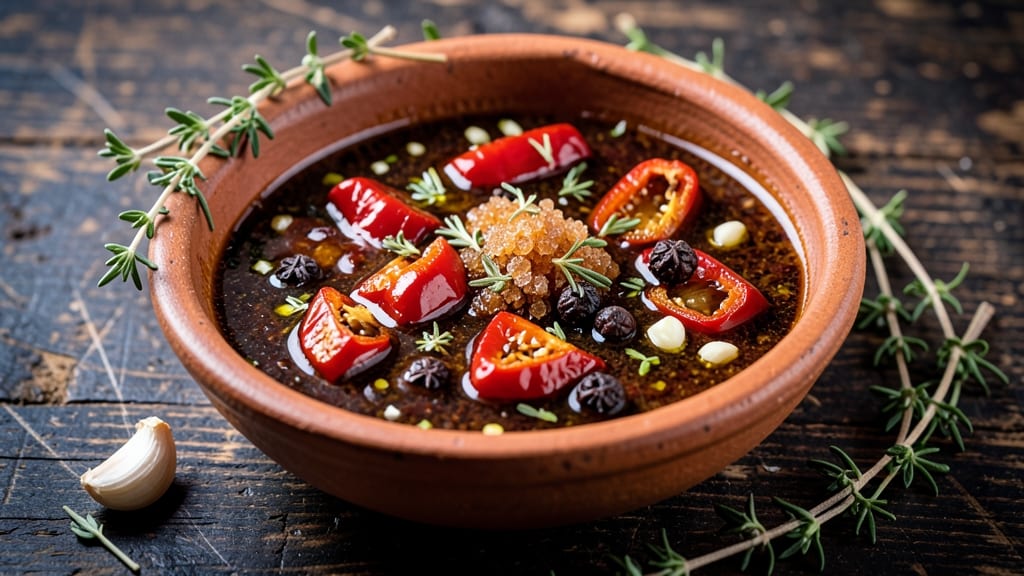
This traditional jerk chicken marinade unlocks the fiery, aromatic soul of Caribbean cooking—where smoky allspice, fiery Scotch bonnet, and earthy thyme create a flavor bomb that transforms plain chicken into a masterpiece.
The secret lies in balancing heat, sweetness, and depth through precise spice ratios and proper marinating time, a technique I've perfected after years of refining this bold blend.
What sets this marinade apart is its authentic approach: no shortcuts, no missing ingredients. We're talking freshly ground allspice, toasted brown sugar for caramelized richness, and a touch of soy sauce for umami depth that penetrates the meat during the essential 4-24 hour marinating period.
The Scotch bonnet pepper brings the signature heat, but it's the thyme and garlic that create that unmistakable Caribbean aroma profile.
When you're done, you'll have a vibrant, slightly oily marinade with deep red undertones and an intoxicating scent that fills your kitchen. This isn't just marinade—it's the foundation for restaurant-quality jerk chicken, where every bite delivers that perfect balance of smoky, sweet, and spicy flavors that dance on your tongue.
The key is proper refrigeration and thorough mixing to ensure even flavor distribution throughout the meat.
The beauty of this marinade is its versatility—use it on chicken thighs, breasts, or even tofu for a plant-based version. For best results, let the chicken marinate overnight in the refrigerator, allowing the flavors to fully develop and penetrate.
This traditional blend delivers authentic Caribbean flavor without any compromises, making it the perfect starting point for your jerk chicken masterpiece.
Ingredients for traditional jerk chicken marinade
Ten ingredients transform plain chicken into Caribbean magic—smoky, sweet, and fiery all at once.
| Ingredient | Amount | Notes |
|---|---|---|
| Scotch Bonnet Peppers 🌶️ | 2 whole | Seeds removed for less heat |
| Fresh Allspice Berries 🌿 | 1 ½ tbsp | Ground fresh for maximum aroma |
| Brown Sugar 🍯 | ½ cup | Lightly toasted for caramel depth |
| Fresh Garlic Cloves 🧄 | 6 cloves | Minced for even distribution |
| Fresh Thyme Leaves 🍃 | ½ cup | Stems removed, finely chopped |
| Extra-Virgin Olive Oil 🫒 | ½ cup | High-quality for flavor base |
| Lime Juice 🍋 | ¼ cup | Freshly squeezed, no pulp |
| Soy Sauce 🍶 | 2 tbsp | Light or dark for umami |
| Ground Ginger 🌿 | 1 tbsp | Freshly grated preferred |
| Sea Salt 🧂 | 1 ½ tsp | Diamond Crystal preferred |
The Scotch bonnet is non-negotiable for authentic heat—grab them at a Latin market or specialty grocery. If you can't find fresh allspice berries, Penzeys sells pre-ground, but toasting whole berries in a dry pan for 30 seconds before grinding unlocks deeper flavor. For the brown sugar, lightly toast it in a dry skillet until fragrant—this caramelizes it and adds a smoky note that mimics traditional jerk techniques. The thyme should be vibrant green, not wilted, and the lime juice needs to be freshly squeezed (none of that bottled stuff).
No Scotch bonnet? Habanero at half the amount brings similar heat, though the flavor won't be identical. Running short on allspice? Mix 1 tsp cinnamon + 0.5 tsp nutmeg as a pinch-hitter, but it won't have that signature smoky depth. The soy sauce can be swapped for coconut aminos if you're avoiding soy, though the umami punch will be milder. For a vegetarian version, use the marinade on firm tofu or mushrooms—just reduce marinating time to 2-4 hours to avoid over-absorbing the liquid.
This marinade keeps for 5 days in the fridge in an airtight jar, but the flavors peak after 24 hours of marinating. For longer storage, freeze in ice cube trays—thaw overnight in the fridge before using. The oil in the marinade will separate slightly when stored; just give it a good shake before applying. If you're prepping for a crowd, double the batch—it's worth the extra effort for that authentic jerk punch.
Why You'll Love This Recipe
- No Blender Needed: I swear by this marinade—just a knife, a cutting board, and 10 minutes of chopping. The Scotch bonnet’s heat and allspice’s warmth meld into something magical without fancy gadgets.
- Sweet Heat Magic: That balance of brown sugar and Scotch bonnet? It’s the kind of flavor that sticks with you. Crispy edges, juicy inside, and a lingering spice that makes every bite feel like a little vacation.
- Weeknight to Party: Same marinade works for grilled chicken on a Tuesday or skewers at a Sunday BBQ. Honestly, I’ve even used the leftover marinade to glaze roasted sweet potatoes—no one’s complained yet.
- Leftovers That Shine: Marinate a big batch of chicken, then repurpose it: tacos, sandwiches, or even fried rice. Between us, the second-day flavor is better—the spices deepen, and the sugar caramelizes just enough to make it irresistible.
Step-by-step instructions for traditional jerk chicken marinade
This authentic blend delivers the smoky, fiery complexity Jamaican jerk is famous for.
Toast the Brown Sugar for Caramel Depth
In a dry skillet over medium heat, toast the 0.5 cup brown sugar for 3-4 minutes until it develops a golden hue and releases fragrant aromas. Stir constantly to prevent burning—you're looking for a nutty, almost butterscotch-like scent that signals the sugar's natural caramelization has begun. This step creates the signature sweet-savory foundation of traditional jerk marinades.
Remove the sugar from heat immediately and let it cool for 5 minutes before transferring to a mortar and pestle or small bowl. The residual heat will continue developing flavor, but you want to preserve the toasted aroma rather than risk bitterness. This cooled sugar will form the base of your marinade's complex flavor profile.
Grind the Allspice Berries and Process the Scotch Bonnets
Using a mortar and pestle, crush the 1.5 tbsp fresh allspice berries until they release their essential oils and form a fine powder. The berries should smell intensely aromatic—like a mix of clove, cinnamon, and nutmeg—with no whole berries remaining. This fresh grinding captures the maximum volatile oils that give jerk its signature depth.
In the same mortar, carefully process the 2 whole Scotch Bonnet peppers (seeds removed) into a coarse paste. Wear gloves if handling the peppers directly—their capsaicin content is potent. You want a chunky texture rather than a smooth puree, as this preserves the pepper's natural heat distribution. The paste should be vibrant red-orange with visible fiber strands.
Create the Wet Marinade Base
In a medium bowl, whisk together the 0.5 cup extra-virgin olive oil, 0.25 cup lime juice, and 2 tbsp soy sauce until completely emulsified. The mixture should be smooth with no visible separation. This oil-based foundation carries all the dry spices and creates the marinade's signature glossy finish. The lime juice adds brightness that cuts through the richness of the oil and balances the heat.
Add the toasted brown sugar, ground allspice, and Scotch Bonnet paste to the wet ingredients. Stir vigorously with a wooden spoon until fully incorporated. The mixture will be thick and vibrant—almost like a spicy jam. This is where the magic happens: the sugar's caramelized notes meld with the pepper's heat and allspice's complexity in the olive oil base.
Incorporate Aromatics and Final Seasoning
Finely mince the 6 cloves fresh garlic and chop the 0.5 cup fresh thyme leaves (stems removed) into small pieces. Fold these into the marinade along with the 1 tbsp ground ginger and 1.5 tsp sea salt. The ginger should be freshly grated if possible—its sharp, citrusy bite contrasts beautifully with the sweetness of the brown sugar.
Mix thoroughly until all ingredients are uniformly distributed. The marinade should coat the back of a spoon with a thick, vibrant paste. Here's the thing—traditional jerk marinades are meant to be bold, so don't be afraid if it looks intense. The colors should be deep red from the peppers, golden from the toasted sugar, and greenish from the thyme. This visual complexity translates directly to flavor.
Rest and Infuse the Marinade
Transfer the completed marinade to an airtight container and let it rest at room temperature for at least 30 minutes before using. This resting period allows all the flavors to meld together—you'll notice the heat from the Scotch Bonnets mellow slightly while the allspice and thyme develop their full aromatic potential. The sugar will continue caramelizing gently, deepening the marinade's complexity.
For maximum flavor penetration, use this marinade on chicken pieces for at least 4 hours (overnight is ideal). The acidity from the lime juice will begin breaking down the chicken's proteins immediately, while the oil carries the spices deep into the meat. The result should be chicken with vibrant color, tender texture, and layers of smoky, sweet, and fiery flavors that define authentic jerk cooking.
Pro Tips For Making Traditional Jerk Chicken Marinade
- TOAST THE SPICES FIRST: I used to toss in whole allspice berries raw and wonder why the flavor felt muted. Dry-toast them in a small pan for 30 seconds until fragrant—just until you smell that warm, earthy aroma. Then crush them lightly with a mortar and pestle (or a heavy spoon) right before mixing into the marinade. That extra step makes the difference between "meh" and "wow."
- PEEL THE GARLIC HALVES: I learned this the hard way—peeling whole garlic cloves before mincing them is a pain, and you’ll end up with uneven bits in your marinade. Instead, smash each clove with the flat side of your knife first, then peel off the skin while it’s still whole. The halves will release their flavor more evenly into the oil and spices.
- USE THE PEPPER SEEDS: I was skeptical until I tried it: save the seeds and membranes from your Scotch bonnet peppers—those are where the real heat lives. Finely chop them and mix them into the marinade alongside the flesh. Yes, it’ll be spicier, but it’s also more authentic and packs a deeper, fruitier punch than just the flesh alone.
- MARINATE COLD, NOT ROOM TEMP: After burning three batches of chicken while impatiently marinating it on the counter, I finally figured out the trick: refrigerate the marinade and the chicken for at least 2 hours before combining. The cold slows down bacterial growth (safety first) and lets the spices penetrate deeper. Pro tip: poke the chicken with a fork every few hours to break up surface tension if you’re marinating overnight.
Common mistakes when making this dish
Over-Marinating Risks
The longer you marinate, the more tender your chicken becomes—but there's a limit. Beyond 24 hours, the acid in lime juice and soy sauce starts breaking down the meat's proteins too aggressively, turning your chicken mushy.
I've ruined perfectly good jerk chicken by leaving it in the marinade for 36 hours—the texture became unpleasantly soft, and the flavors lost their balance. For best results, stick to 4-12 hours for thighs and 4-6 hours for breasts. 🌶️
Skipping the Resting Period
That 30-minute rest for the marinade isn't optional—it's where the flavors truly meld. When I first tried making this marinade, I rushed straight to the chicken without letting it sit. The result? A dish that tasted like separate ingredients rather than a cohesive blend.
The allspice and thyme need time to release their full aroma, while the sugar continues caramelizing gently. Trust the process—your taste buds will thank you. ⏳
Using Bottled Lime Juice
Fresh lime juice is non-negotiable for authentic jerk flavor. Bottled juice lacks the bright acidity and complex citrus notes that cut through the richness of the marinade. I once used bottled lime juice in a hurry and ended up with jerk chicken that tasted flat and one-dimensional.
If you must use bottled, add ½ tsp extra lime zest to compensate, but it won't match the real thing. Invest in a good hand juicer—your marinade (and your taste buds) will notice the difference. 🍋
Uneven Spice Distribution
When I first started making this marinade, I'd toss the spices into the oil without proper mixing. The result? Some pieces of chicken would be perfectly seasoned, while others tasted bland. To avoid this, use a whisk or immersion blender to fully emulsify the marinade until it's thick and glossy.
For extra insurance, reserve ¼ cup marinade, brush it on the chicken after marinating, and broil for 2 minutes to create a flavorful crust. This technique ensures every bite delivers that authentic jerk punch. 💫
Ignoring the Toasted Sugar Step
Skipping the brown sugar toasting is one of the biggest flavor mistakes I see. Untosted sugar dissolves into the marinade without adding that crucial caramelized depth. When I first made this recipe without toasting, the marinade tasted sweet but lacked the smoky complexity that defines traditional jerk.
Toast the sugar until it smells nutty and fragrant—this step transforms your marinade from good to extraordinary. The residual heat from toasting continues developing flavor even after cooling. 🍯
Not Adjusting for Chicken Size
Thighs and breasts require different marinating times. I learned this the hard way when I marinated both for 12 hours—the breasts turned mushy while the thighs were perfect. For bone-in, skin-on thighs, aim for 6-12 hours.
For breasts, keep it to 4-6 hours to prevent over-tenderizing. If you're using drumsticks, 8-12 hours works best. Always check for doneness at 165°F internal temperature regardless of marinating time. 🍗
Nutrition facts
Frequently asked questions about traditional jerk chicken marinade
Can I make this marinade without Scotch bonnet peppers?
Yes, but expect less authentic heat. Use 1 habanero pepper (seeds removed) for similar spice levels, though the flavor won't be identical. For milder heat, reduce to ½ habanero or swap with 1 jalapeño + ½ teaspoon cayenne pepper. The smoky depth from allspice will still shine through, but the signature Jamaican fire will be noticeably different.
How long can I store leftover marinade?
Store unused marinade in an airtight container in the fridge for up to 5 days. The flavors actually improve slightly as the spices infuse longer. For freezing, portion into ice cube trays, cover with plastic wrap, and freeze. Thaw overnight in the fridge before using. The oil may separate—just whisk vigorously to re-emulsify.
What's the best way to use leftover marinade?
Leftover marinade makes fantastic grilled chicken sauce or dipping sauce—simmer it with 2 tbsp water for 5 minutes to reduce. For extra richness, stir in 1 tbsp butter at the end. You can also brush it on grilled vegetables like bell peppers or pineapple for a quick jerk-inspired side. The reduced version works perfectly as a taco sauce or bowl drizzle.
Can I use this marinade on other meats or vegetables?
It works beautifully on pork shoulder (marinate 12-24 hours), salmon (reduce marinating time to 2-4 hours), or even firm tofu (press first, then marinate 2 hours). For vegetables, try portobello mushrooms or eggplant—just reduce time to 1-2 hours to prevent over-softening. The soy sauce adds umami that complements all these proteins wonderfully.
Why does my marinade look separated after refrigerating?
This is completely normal—the oil and liquid ingredients naturally separate when chilled. Simply whisk or shake vigorously before using to re-emulsify. For a smoother texture, blend briefly with an immersion blender. The separation doesn't affect flavor or safety, just texture. Pro tip: Store with the lid slightly loose to prevent condensation buildup, which can dilute the marinade.