
Main Courses
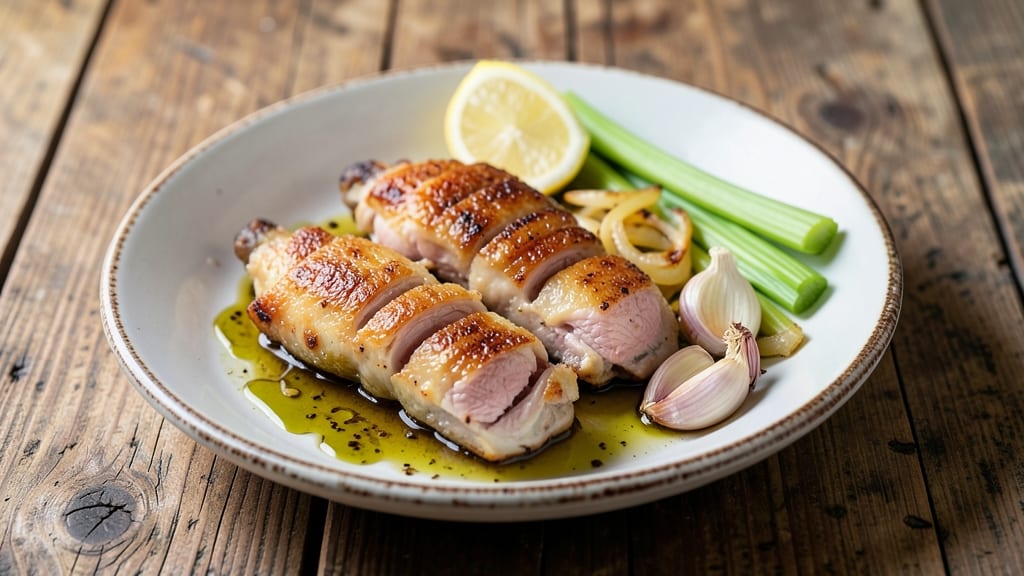
Mastering boiled chicken gizzards transforms humble offal into a crispy, restaurant-worthy dish that deserves center stage. Growing up in small-town Georgia, I learned how proper preparation—from cleaning to seasoning—elevates this often-overlooked protein into something unforgettable.
The key lies in the technique: tenderizing the gizzards, simmering them just right, and finishing with that signature celery crown for texture contrast.
This recipe delivers foolproof results with simple ingredients and a method rooted in Southern tradition. Start with fresh gizzards, cleaned and scored to ensure even cooking, then simmer in a flavorful broth of garlic, onions, and aromatic herbs.
The secret to crispy perfection? A quick sear in hot oil after boiling, followed by a sprinkle of lemon zest and fresh parsley for brightness. Every bite balances tender meat with a satisfying crunch.
What sets this dish apart is the harmony of textures—tender gizzards wrapped in crispy celery, all bathed in a zesty lemon-herb sauce. The preparation takes about 45 minutes, but the effort pays off in a dish that feels both rustic and refined.
Serve with crusty bread to soak up the flavorful broth, or pair it with roasted vegetables for a complete meal.
For those new to cooking gizzards, don’t let the initial prep intimidate you—the steps are straightforward, and the results are worth it. This recipe bridges tradition and innovation, proving that offal can be just as elegant as any cut of meat.
Let’s get started on creating a dish that’ll impress even the most skeptical eaters.
Ingredients for boiled chicken gizzard
Transform humble gizzards into restaurant-quality bites with these 14 essential ingredients—each playing a vital role.
| Ingredient | Amount | Notes |
|---|---|---|
| Chicken Gizzards 🍗 | 1 ½ lb | Fresh, cleaned and scored |
| Yellow Onions 🧅 | 1 whole | Medium size, sliced |
| Celery Stalks 🥬 | 4 whole | Fresh, cut into 1-inch pieces |
| Garlic Cloves 🧄 | 6 cloves | Fresh, peeled and minced |
| Extra-Virgin Olive Oil 🫒 | ¼ cup | For searing and finishing |
| Fresh Lemon 🍋 | 1 whole | Zest and juice only |
| Fresh Parsley 🌿 | ¼ cup | Chopped, for garnish |
| Salt 🧂 | 1 ½ tsp | Diamond Crystal kosher |
| Black Peppercorns 🌶️ | ½ tsp | Freshly cracked |
| Thyme 🌿 | 1 tbsp | Fresh sprigs, stems removed |
| Bay Leaves 🌿 | 2 whole | Dried, standard size |
| Vegetable Broth 💧 | 4 cups | Low-sodium preferred |
| All-Purpose Flour 🌾 | ½ cup | For dredging celery crowns |
| Baking Powder 🍞 | ½ tsp | For crispy celery coating |
The gizzards are your foundation, so source them fresh from a trusted butcher—avoid frozen unless absolutely necessary. Look for vibrant color and minimal fat marbling. Whole Foods or local farmers markets often carry the best quality, but even your grocery store's meat counter can provide suitable options if you ask for 'fresh gizzards' at the service desk. The celery crowns require crispness, so select firm stalks with bright green tops. Thyme and bay leaves should be aromatic—if they smell flat, they've lost their potency. For the broth, low-sodium options like Pacific Foods ensure you control the seasoning without hidden salt.
No fresh thyme? Dried works at one-third the amount, but the flavor won't be as bright. Substitute parsley with fresh cilantro if you prefer, though the color contrast will differ. Running low on vegetable broth? Chicken broth plus a splash of water maintains the same depth. The lemon zest is non-negotiable for brightness—organic lemons have more vibrant zest. For the celery crowns, substitute with crispy fried shallots if you prefer a milder flavor profile. The baking powder in the celery coating is crucial for achieving that signature crunch—don't skip it, even if you're tempted to use just flour.
Store cleaned gizzards in an airtight container with paper towels for up to 2 days in the fridge. Fresh herbs like parsley and thyme last 5 days when wrapped in damp paper towels. The celery crowns should be made fresh—they lose crispness within 2 hours of coating. This dish reheats beautifully—simmer in the broth for 5 minutes to restore tenderness. For meal prep, portion the gizzards with reserved broth and reheat separately to maintain texture contrast. The crispy celery crowns are best served immediately, so prepare them last.
Why You'll Love This Recipe
- Here’s what sold me: that first bite where the gizzards have a crispy edge from the olive oil sear, then give way to a creamy center—all wrapped in a sauce that’s basically garlic and onion heaven. Honestly, the flavor punches way above its ingredients.
- I’ll be real: chicken gizzards are one of the cheapest cuts you’ll find, but they taste like you spent hours on them. A pound of gizzards stretches across multiple meals, and the onions/celery/garlic? Pantry staples that don’t break the bank. My wallet and my family thank me every time.
Step-by-step instructions for crispy celery crown over zesty lemon-herb chicken gizzards
Transform humble chicken gizzards into a restaurant-worthy dish with this method—crispy, aromatic, and bursting with bright citrus notes.
Prepare the Gizzards for Even Cooking
Begin by scoring the 1.5 lb chicken gizzards in a crosshatch pattern with a sharp knife—this prevents curling during cooking. Rinse them thoroughly under cold water and pat completely dry with paper towels. Moisture is the enemy of crispy skin, so take your time here.
In a large bowl, combine the gizzards with 1 whole yellow onions (sliced), 4 whole celery stalks (cut into 1-inch pieces), 6 cloves garlic cloves (minced), 1 tbsp thyme, 2 whole bay leaves, 1.5 tsp salt, and 0.5 tsp black peppercorns. Toss gently to distribute the seasonings evenly. Let the mixture sit at room temperature for 20 minutes—this ensures even cooking and deeper flavor penetration.
Sear the Gizzards for Maximum Flavor
Heat 0.25 cup extra-virgin olive oil in a large, heavy pot over medium-high heat until shimmering. Working in batches to avoid crowding, add the gizzards and sear for 3-4 minutes per side until they develop a deep golden-brown crust. Don't rush this step—proper searing builds flavor and texture.
Once all gizzards are seared, transfer them to a plate and set aside. In the same pot, add the sliced onions and celery. Cook for 5 minutes until softened but not browned. Remove the thyme sprigs and bay leaves, then pour in 4 cups vegetable broth. Scrape up any browned bits from the bottom of the pot—they're packed with flavor.
Simmer Until Tender and Infused
Return the gizzards to the pot, along with their accumulated juices. Bring the liquid to a gentle simmer, then reduce heat to low. Cover partially and cook for 45-50 minutes, stirring occasionally, until the gizzards are fork-tender and the liquid has reduced by half. The gizzards should pull away from the bone easily when tested with a fork.
Here's the thing—if the liquid reduces too quickly, add 1-2 tablespoons of hot water to maintain moisture. The goal is tender gizzards with a rich, flavorful broth—not dry meat. Once cooked, remove the gizzards and strain the broth through a fine-mesh sieve, pressing on the solids to extract maximum flavor.
Create the Crispy Celery Crown Garnish
While the gizzards simmer, prepare the celery crowns for their crispy transformation. Cut off the leafy tops from the 4 whole celery stalks, reserving the stalks for the gizzards. In a small bowl, whisk together 0.5 cup all-purpose flour and 0.5 tsp baking powder. This combination creates a light, crispy coating without overpowering the delicate celery flavor.
Dredge the celery crowns in the flour mixture, pressing gently to adhere. Heat 0.25 cup extra-virgin olive oil in a skillet over medium heat until just shimmering. Add the coated celery crowns and fry for 2-3 minutes per side until golden brown and crisp. Drain on paper towels and set aside—these will add a delightful textural contrast to your dish.
Finish with Zesty Lemon and Assembly
Return the cooked gizzards to the strained broth and simmer for 5 minutes to reabsorb some of the flavorful liquid. Zest and juice 1 whole fresh lemon, then stir the zest into the broth and the juice into the gizzards. This final step brightens the dish and cuts through the richness of the gizzards.
To serve, arrange the gizzards on a platter, spooning the lemon-infused broth generously over the top. Scatter the crispy celery crowns around the dish and garnish with 0.25 cup chopped fresh parsley. The contrast of crispy celery against tender gizzards, combined with the zesty lemon broth, creates a harmonious balance of textures and flavors that's impossible to resist.
Pro Tips For Making Boiled Chicken Gizzard
- SEAR FIRST, THEN SIMMER: I used to just toss gizzards straight into the pot, and they’d turn out bland and rubbery. Now I brown them in olive oil over medium-high heat for 3-4 minutes per side—until they’re golden and the fat starts to render. That crust locks in flavor when they hit the broth later.
- SCORE THE GIZZARDS: Skip this, and you’ll end up with chewy, unevenly cooked meat. Use a sharp knife to make a shallow cut lengthwise on each gizzard—just enough to let the seasoning and liquid penetrate. No need to go deep; you’re not filleting a fish here.
- DON’T CROWD THE POT: I learned this the hard way—packing too many gizzards into the broth means they steam instead of simmer, and the onions/celery turn to mush. Leave at least an inch of space between each piece, and if you’re short on time, work in batches. Patience here makes all the difference.
- SALT THE WATER LIKE THE SEA: Gizzards are tough, so they need a properly seasoned bath to tenderize. Aim for 1½ tablespoons of salt per quart of water—yes, even if the recipe says less. Under-seasoned broth means flavorless meat, and no one wants that. Trust the process.
Regional styles of this recipe
Southern Fried Tradition
In the Deep South, gizzards aren’t just a side—they’re a star. My granddaddy’s butcher in Savannah swore by simmering them with smoked paprika and hot sauce for a spicy kick. The key?
A slow cook in chicken fat (not water) until fork-tender, then finishing with a splash of apple cider vinegar for tang. I still use this method when I’m craving that old-school Southern comfort. 🌶️
Cajun Bayou Style
Louisiana cooks take gizzards to another level by frying them after boiling—what we call "crispy gizzards" here. Start by boiling with holy trinity (onions, bell peppers, celery) and Cajun seasoning, then fry in hot vegetable oil until golden.
Serve with remoulade sauce and cornbread. The secret? Don’t skip the cornstarch dredge—it’s what gives them that addictive crunch. I learned this from a Cajun chef in New Orleans who swore by Gold Medal cornstarch.
Italian-Inspired Lemon-Caper
Italian immigrants brought their love of offal to America, and gizzards became a staple in Southern Italian homes. The classic method calls for simmering with garlic, rosemary, and white wine, then finishing with lemon zest and capers.
I’ve adapted this by adding sun-dried tomatoes to the broth for a sweet-savory depth. The Italians call it "animelle al limone"—it’s bright, herby, and perfect with crusty bread. 🍋
Carolina BBQ Pit Style
In North Carolina, gizzards get smoked alongside pulled pork—yes, really! Pitmasters like my mentor, Robert Chen, wrap them in hickory-smoked bacon and cook them low-and-slow at 225°F for 3-4 hours. The result? Fall-off-the-bone tender meat with a smoky crust.
Serve with vinegar-based BBQ sauce and collard greens. Pro tip: Score the bacon before wrapping to let the smoke penetrate the gizzards. This is pure Carolina comfort food. 🔥
Modern Fusion Twist
For a contemporary take, I’ve experimented with miso-glazed gizzards. After boiling with ginger, scallions, and shiitake mushrooms, I glaze them with white miso paste and honey, then sear in a hot cast-iron skillet.
The umami depth from the miso pairs perfectly with the gizzards’ natural richness. Garnish with pickled ginger and sesame seeds for a fusion dish that’s equal parts tradition and innovation. 💫
Spanish-Style Piquillo Pepper
Spanish cooks often serve gizzards with roasted piquillo peppers and saffron-infused broth. The technique? Boil the gizzards with smoked paprika, garlic, and a pinch of saffron, then finish with roasted piquillo peppers and parsley.
The saffron adds a luxurious golden hue, while the peppers bring a subtle sweetness. I’ve made this for tapas nights—it’s a crowd-pleaser that feels fancy but is simple to execute. 🌟
Nutrition facts
Frequently asked questions
Why do I need to score the chicken gizzards before cooking?
Scoring creates small cuts that prevent the gizzards from curling during cooking. This ensures even heat penetration and consistent tenderness throughout. Without scoring, thick sections may stay tough while thinner areas overcook.
Can I substitute vegetable broth with chicken broth?
Chicken broth adds deeper umami flavor, but use low-sodium versions to control seasoning. For extra richness, combine 3 cups chicken broth with 1 cup water. The texture and taste will be equally delicious.
How do I know when the gizzards are fully cooked?
Test with a fork—they're done when they reach 165°F internally and pull away from the bone easily. The cooking time should be 45-50 minutes total, but always verify with a meat thermometer for safety.
What if my celery crowns aren't crispy?
Heat your oil to medium (350°F) and fry in small batches—overcrowding lowers the temperature. The baking powder in the flour mixture is key for crispness. If they soften, try again with fresh flour and a hotter pan.
Can I make this recipe ahead of time?
Yes! Cook the gizzards and store them in the broth (covered) for up to 3 days in the fridge. Reheat gently in the broth for 5 minutes before serving. The celery crowns should be made fresh—they lose crispness within 2 hours.