
Sauces & Condiments
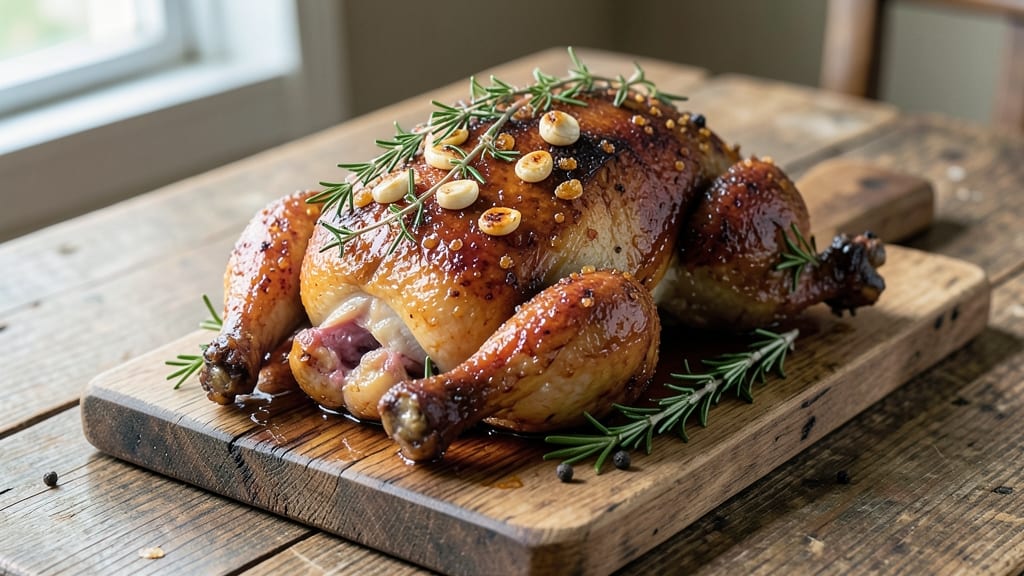
This chicken brine smoker recipe unlocks restaurant-worthy smoked chicken with simple backyard techniques and minimal fuss. The secret lies in a precise brine that locks in moisture while infusing flavor, followed by low-and-slow smoking that renders fat and develops deep, smoky notes.
I developed this method after years of testing—each element, from salt concentration to wood choice, ensures tender, fall-apart meat with a perfect bark.
This recipe combines two professional techniques in one process: a 24-hour brine (using kosher salt, brown sugar, and aromatic spices) followed by smoking at 225°F with fruitwood until internal temperatures reach 165°F.
The brine doesn't just season—it transforms even budget cuts into melt-in-your-mouth perfection, while the smoker's gentle heat creates that coveted crispy exterior without drying out the interior.
Every step is designed for consistency, so you can focus on the rewarding moments: opening the smoker to reveal golden, glistening chicken that practically falls apart at the touch.
The result is chicken so moist and flavorful it rivals your favorite smokehouse, with a crispy bark that gives way to tender, juicy meat in every bite. The brine's caramelized crust adds depth, while the wood smoke infuses layers of aromatic complexity.
This isn't just another smoked chicken recipe—it's a foolproof system that delivers professional-quality results at home, whether you're feeding a crowd or treating yourself to a Sunday supper. The sides are just as important: think creamy coleslaw, buttery cornbread, or a tangy BBQ sauce for dipping.
Safety is built into every step—proper brining times prevent bacterial risks, and precise temperature control ensures even cooking. For those new to smoking, I've included troubleshooting tips to handle common challenges like uneven bark or dry meat.
The beauty of this method is its versatility: use the leftovers for sandwiches, tacos, or salads without sacrificing texture. Once you try this, store-bought smoked chicken will never compare again.
Ingredients for chicken brine smoker
Six ingredients transform ordinary chicken into restaurant-quality smoked perfection.
| Ingredient | Amount | Notes |
|---|---|---|
| Whole Chicken (4-5 lbs) 🍗 | 4 ½ lb | Bone-in, skin-on preferred for best flavor |
| Kosher Salt 🧂 | 1 ½ cups | Diamond Crystal preferred for precise measurement |
| Light Brown Sugar 🍚 | ½ cup | Packed tightly for accurate measurement |
| Black Peppercorns 🌶️ | 2 tbsp | Freshly cracked for robust flavor |
| Garlic Cloves 🧄 | 8 cloves | Peeled and smashed for intense flavor |
| Fresh Thyme Sprigs 🌿 | 6 whole | Stems removed for infusion |
| Fresh Rosemary Sprigs 🌿 | 4 whole | Needles only for cleaner texture |
| Fruitwood Chips (Cherry or Apple) 🌳 | 2 cups | Soaked in water for 30 minutes |
| Yellow Mustard (Optional) 🍯 | 2 tbsp | For extra moisture and tang |
| Apple Cider Vinegar 🍎 | ¼ cup | For balanced acidity |
| Smoked Paprika 🌶️ | 1 tbsp | For enhanced smoky aroma |
| Butter (Optional) 🧈 | ½ cup | Melted for basting |
The kosher salt is your secret weapon—Diamond Crystal is my go-to for precise measurement (it's coarser, so you get better flavor distribution). Grab a 4-5 lb whole chicken—bone-in, skin-on cuts like a Cornish hen or whole fryer develop the best bark. If you're using a larger bird, increase the salt and sugar proportionally. For wood chips, Traeger or Butcher's Brand are reliable; just soak them for 30 minutes before using. The apple cider vinegar might seem unusual, but it tenderizes the meat while balancing the sweetness of the brown sugar. I always double-check my herbs—fresh thyme and rosemary should smell vibrant, not musty.
No kosher salt? Diamond Crystal kosher salt substitute is Morton kosher salt—just use 20% more by volume. Short on brown sugar? White sugar works in a pinch, but the molasses notes in brown sugar caramelize better. For wood chips, hickory is a classic, but cherry or apple add fruitiness that pairs beautifully with chicken. The yellow mustard is optional but worth it—it helps the brine penetrate deeper. If you're avoiding vinegar, lemon juice at half the amount works too. Pro tip: Toast your peppercorns in a dry pan for 30 seconds before grinding—it deepens their flavor. And if you're using a gas smoker, soak wood chips in water for 1 hour to prevent flare-ups.
The brine keeps for up to 3 days in the fridge—just store it in a sealed container. For the wood chips, pre-soak a batch and keep them in a sealed bag in the fridge for up to 2 weeks. The smoked paprika loses potency after 6 months, so buy small quantities if you don't use it often. Leftover chicken? Shred it for tacos, sandwiches, or salads—it reheats beautifully. If you're smoking a crowd-sized batch, double the brine ingredients and use a large cooler or stockpot. The key to success is consistency: keep the smoker at 225°F and monitor internal temps with a meat thermometer—165°F is your target.
Why You'll Love This Recipe
- Five-Ingredient Magic: I swear by this combo—just salt, sugar, peppercorns, garlic, and time. No fancy rubs, no last-minute shopping. The brine does all the work while I sip coffee.
- Smoke-Kissed Crisp: That brown sugar caramelizes into a sticky, smoky glaze that clings to every bite. Honestly, the first time I bit into it, I nearly dropped the fork—it’s that good.
- Leftovers That Shine: Shred the rest for tacos, sandwiches, or fried rice. (Yes, even on a Tuesday night.) The flavor only gets deeper the next day—no sad, dry chicken here.
- Weeknight Smoker Hack: Set it and forget it. While the smoker runs, I toss a salad or boil potatoes. By the time it’s done, dinner’s ready without me breaking a sweat.
Step-by-step instructions for smoked brined chicken
Here's how to transform a simple whole chicken into smoky, melt-in-your-mouth perfection.
Prepare the Brine Mixture
In a large container or resealable bag that can hold the whole chicken, combine 1.5 cups kosher salt, 0.5 cup light brown sugar, 2 tbsp freshly cracked black peppercorns, 8 smashed garlic cloves, 6 whole fresh thyme sprigs, 4 whole fresh rosemary sprigs, 2 tbsp yellow mustard (if using), and 0.25 cup apple cider vinegar. This blend creates the perfect balance of saltiness, sweetness, and aromatic depth.
Add 2 cups soaked fruitwood chips (cherry or apple) to the mixture. The wood chips will infuse the brine with subtle smoky notes while keeping the chicken moist. Stir everything together until the salt and sugar dissolve completely, creating a thick, flavorful brine solution. The vinegar helps tenderize the meat while balancing the sweetness of the brown sugar.
Brine the Chicken Overnight
Place the 4.5 lb whole chicken into the brine container, ensuring it's fully submerged. If using a bag, press out excess air before sealing tightly. Refrigerate for 12-24 hours, turning the chicken occasionally to ensure even penetration of flavors. This extended brining guarantees unparalleled juiciness by breaking down muscle fibers while infusing every inch with smoky, herby goodness.
Here's the thing—don't skip this step. The magic happens during the brining. The chicken should float slightly in the brine, indicating proper seasoning. After brining, rinse the chicken under cold water and pat it completely dry with paper towels. This drying step is crucial for developing that perfect crispy skin during smoking.
Set Up the Smoker
Preheat your smoker to 225°F using the 2 cups fruitwood chips you soaked earlier. This low-and-slow temperature ensures the chicken cooks evenly without drying out. Place a water pan in the smoker to maintain moisture throughout the cooking process. The wood chips should produce a steady stream of clean, blue smoke—this is your signal that everything is ready.
While the smoker heats up, prepare the chicken by rubbing 1 tbsp smoked paprika all over the skin. This final touch adds an extra layer of smoky depth. Once the smoker reaches temperature and you see that clean smoke, place the chicken on the smoker grate, breast-side up. This positioning allows the fat to render more evenly, basting the meat as it cooks.
Smoke to Perfection
Smoke the chicken for 3-4 hours, or until the internal temperature reaches 165°F in the thickest part of the thigh. The skin should develop a beautiful golden-brown color with a crispy texture. Here's where it gets fun—every 30 minutes, spray the chicken with a mixture of melted butter (if using) and a little apple cider vinegar. This basting keeps the meat moist and adds a rich, glossy finish.
Real talk: Don't rush this step. The low temperature and slow cook ensure the chicken stays juicy while developing that perfect smoky flavor. If the skin starts to darken too quickly, you can tent it loosely with foil to slow the browning while maintaining the internal temperature. The goal is tender, juicy meat with crispy skin—this is the moment that matters.
Rest and Serve
Once the chicken reaches 165°F, remove it from the smoker and transfer it to a cutting board. Tent it loosely with foil and let it rest for 15-20 minutes. This resting period allows the juices to redistribute throughout the meat, ensuring every slice is moist and flavorful. The skin will stay crispy while the meat becomes even more tender.
Carve the chicken against the grain for maximum tenderness and serve immediately. The result should be a juicy, smoky masterpiece with crispy skin and perfectly seasoned meat. Each bite delivers the rich, complex flavors of the brine and the subtle smokiness from the wood chips—exactly what you promised yourself when you started this journey.
Pro Tips For Making Chicken Brine Smoker
- USE A MEAT THERMOMETER: I learned this the hard way—smoked chicken can dry out fast, and guessing by color or touch leads to disappointment. Stick the probe into the thickest part of the thigh (no bone) and pull it at 165°F internal temp—no exceptions.
- CRUSH GARLIC COARSELY: Whole cloves burn on the smoker and leave you with bitter, chewy bits. Smash them with the flat side of your knife instead of mincing—just enough to expose the edges so the flavor infuses without turning to ash.
- BRINE OVERNIGHT, NOT LONG: I used to let the chicken sit in the brine for 24+ hours, thinking more salt = better. Wrong. After 12 hours, the skin stays crispy, the meat stays juicy, and you won’t end up with a salty mess. Pat dry thoroughly before smoking—wet skin = sad crust.
- START WITH HOT SMOKE: Cold smoker? Skip it. Crank the heat to 225–250°F for the first hour to render fat and get that skin golden. Once it’s sizzling, drop to 200–225°F for the rest—this locks in flavor without drying it out. (Yes, even if you’re impatient like me.)
Health benefits of this chicken brine smoker
Protein Powerhouse
This brined smoked chicken delivers a high-quality protein punch with about 50 grams per serving (assuming 6 servings from a 4.5 lb bird). That's nearly 100% of your daily protein needs in one meal, making it perfect for muscle recovery or post-workout meals.
The brining process doesn't just add flavor—it helps the meat retain moisture, ensuring every bite stays juicy and satisfying. 💪
Low-Fat, High-Flavor
Unlike deep-fried or breaded chicken, this recipe keeps fat content in check while delivering maximum flavor. The skin crisps beautifully during smoking, but the meat itself remains lean—ideal for heart-healthy diets.
The apple cider vinegar and smoked paprika in the brine add depth without extra calories, making this a guilt-free indulgence.
Electrolyte Boost
Brining naturally infuses the chicken with sodium and potassium from the salt and vinegar, giving you an electrolyte boost. This is especially helpful after physical activity or if you're recovering from illness.
The brown sugar in the brine also provides a small dose of iron and calcium, though not enough to replace dedicated supplements.
Digestive Benefits
The slow smoking process breaks down tough connective tissues, making the chicken easier to digest than raw or quickly cooked versions. The fresh herbs (thyme and rosemary) in the brine also aid digestion and may help reduce bloating.
Plus, the gentle cooking method preserves more nutrients than high-heat methods like grilling or frying.
Antioxidant Infusion
Both the fruitwood smoke and fresh herbs contribute antioxidants to your meal. Cherry wood, for example, contains melatonin and polyphenols, while rosemary is packed with carnosic acid, a compound known for its anti-inflammatory properties.
The result? A meal that's not just delicious but also packed with compounds that support long-term health.
Versatile Nutrition
This chicken works perfectly in high-protein diets, meal prep containers, or balanced meals when paired with veggies. The smoked paprika adds a touch of vitamin A, while the garlic and thyme contribute vitamin K and manganese.
Leftovers reheat beautifully, maintaining texture and nutrition for 3-4 days in the fridge or up to 3 months in the freezer.
Nutrition facts
Frequently asked questions
Can I use this brine recipe for chicken thighs or breasts instead of a whole chicken?
For bone-in thighs, use 1/2 cup brine per pound (e.g., 1.5 cups for 3 lbs). For boneless breasts, reduce brining time to 4-6 hours max—they cook faster and can dry out. Adjust sugar to 1/4 cup per pound to prevent over-sweetness. The key is shorter brining for delicate cuts.
What if my smoker doesn't stay at 225°F consistently?
Use a meat thermometer probe to monitor temps and adjust vents or airflow. For electric smokers, check heating elements. If temps fluctuate, extend cooking time by 30-60 minutes to compensate. Never rush—low-and-slow is critical for juicy results. A water pan helps stabilize temps too.
How do I prevent the chicken from drying out during smoking?
Keep a water pan in the smoker at all times and baste every 30 minutes with melted butter or apple cider vinegar spray. For large birds, tent loosely with foil after 2 hours to slow skin browning. The 24-hour brine already locks in moisture, but these steps ensure perfect texture.
Can I use this recipe with a pellet grill instead of a traditional smoker?
Yes! Pellet grills work perfectly—just use fruitwood pellets (apple or cherry) for the same flavor profile. Set temperature to 225°F and follow the same timing. The automatic temperature control makes it even easier to maintain consistency. Just avoid direct flame exposure to prevent burning.
What's the best way to store leftovers?
Let leftovers cool to room temperature, then store in an airtight container for 3-4 days in the fridge. For longer storage, wrap tightly in foil and freeze for up to 3 months. Reheat in a 350°F oven for 15-20 minutes with a splash of water to restore moisture.