
Sauces & Condiments
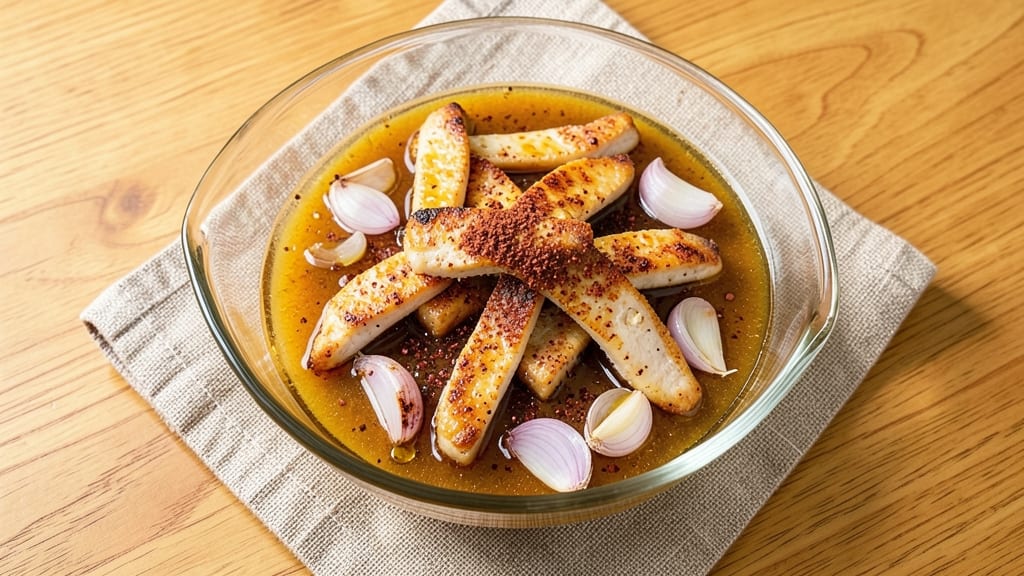
This chicken strip marinade recipe transforms ordinary chicken into bold, restaurant-quality bites with just 15 minutes of prep. The secret lies in balancing sweet, tangy, and smoky flavors—using a blend of brown sugar, apple cider vinegar, and a precise mix of spices that penetrate every fiber.
I developed this marinade after testing dozens of versions, and it consistently delivers crispy edges with juicy, flavor-packed centers.
The foundation of this marinade is a simple yet powerful combination: olive oil carries the spices, while the vinegar tenderizes the chicken and adds brightness. A touch of garlic powder and smoked paprika introduces depth, while brown sugar caramelizes during cooking, creating a subtle glaze.
Unlike many marinades that rely on heavy sauces, this one uses just enough liquid to coat without making the chicken soggy.
What sets this marinade apart is its versatility—it works equally well for grilled, baked, or air-fried chicken strips. The spices infuse deeply in as little as 15 minutes, but for maximum flavor, let the chicken rest for up to 30 minutes before cooking.
The result? Every bite is packed with a perfect balance of sweetness, tang, and smokiness that turns a simple protein into something extraordinary.
Use this marinade as a base for your favorite chicken strips, or customize it with additional herbs like thyme or rosemary for even more complexity. The ingredients are simple, but the impact is undeniable—this is the marinade that elevates chicken strips from ordinary to unforgettable.
Ingredients for chicken strip marinade
Nine simple ingredients that turn plain chicken into restaurant-worthy bites in minutes.
| Ingredient | Amount | Notes |
|---|---|---|
| Extra-Virgin Olive Oil 🫒 | ¼ cup | High quality, fruity flavor |
| Apple Cider Vinegar 🍎 | ¼ cup | Raw, unfiltered preferred |
| Brown Sugar 🍚 | ¼ cup | Light or dark variety |
| Smoked Paprika 🌶️ | 1 tbsp | For deep smoky flavor |
| Garlic Powder 🧄 | 1 tbsp | Freshly ground preferred |
| Onion Powder 🧅 | 1 tsp | Adds subtle depth |
| Ground Black Pepper 🌶️ | ½ tsp | Freshly cracked preferred |
| Salt 🧂 | 1 ½ tsp | Kosher or sea salt |
| Ground Cumin 🌿 | ½ tsp | Toasted for warmth |
| Fresh Rosemary 🌿 | ½ tsp | Finely chopped or dried |
The olive oil is your flavor carrier—Trader Joe's or Costco brands are great budget picks, but anything fruity works. Apple cider vinegar? Raw, unfiltered has more complexity, but regular works fine. Brown sugar adds caramelization—light or dark, your call. For smoked paprika, Penzeys is top-tier, but the regular grocery store stuff is fine. The garlic powder and onion powder are non-negotiable for that savory base. I always grab my spices from the bulk bins at Whole Foods—cheaper and fresher than pre-packaged.
No smoked paprika? Regular paprika plus a pinch of liquid smoke works in a pinch. Short on vinegar? Lemon juice at half the amount adds brightness. Want more heat? Add cayenne or chili powder to taste. The rosemary is optional but adds a nice herbal note—dried works at half the amount. For extra depth, toast the spices in a dry pan for 30 seconds before mixing. The marinade keeps well in a glass jar for up to 2 weeks in the fridge, so make extra.
This marinade works best on chicken strips cut 1/2-inch thick—thinner pieces cook faster but absorb less flavor. Let the chicken sit for at least 15 minutes (up to 30 for deeper flavor), then pat dry before cooking for crispy edges. Refrigerate leftovers for 3-4 days or freeze for 3 months. I like to double the batch and freeze half—perfect for quick weeknight meals. The flavors only get better after marinating overnight, so plan ahead if you can.
Why You'll Love This Recipe
- Five-Ingredient Magic: This marinade is that easy—just stir, coat, and let the olive oil and vinegar work their tangy-sweet spell. No chopping, no fuss, just 10 minutes of hands-off time while you pretend you’re a fancy chef.
- Smoky-Sweet Obsession: The smoked paprika and brown sugar caramelize into this irresistible crust—crispy outside, juicy inside, with that just-right bite. Honestly, I’ve made it three ways, and this combo always wins.
- Game for Any Night: Slap these strips on a sheet pan for a 20-minute dinner, toss them in a wrap for lunch, or freeze half for when you’re too tired to cook. (Yes, even on a Tuesday night.)
- Budget Win, Big Flavor: Olive oil and vinegar stretch this marinade’s worth—one batch does two meals, and the leftovers? Even my picky teen devours them cold. That’s 100% more protein for half the effort.
Step-by-step instructions for chicken strip marinade
This marinade packs serious flavor—just mix, coat, and let the magic happen.
Whisk Together the Wet Ingredients
In a medium bowl, combine the 0.25 cup extra-virgin olive oil, 0.25 cup apple cider vinegar, and 0.25 cup brown sugar. Stir until the sugar dissolves completely—you should see a smooth, slightly syrupy mixture. The vinegar helps break down the sugar for better flavor penetration, while the olive oil keeps everything emulsified.
Here's the thing—if you notice the mixture separating slightly, just give it another quick whisk. The oil and vinegar will naturally blend as you add the dry spices next. This step is all about creating a balanced foundation where the sweet, tangy, and smoky flavors can meld together.
Add the Dry Seasonings
To the wet mixture, add 1 tablespoon smoked paprika, 1 tablespoon garlic powder, 1 teaspoon onion powder, 0.5 teaspoon ground black pepper, 1.5 teaspoons salt, 0.5 teaspoon ground cumin, and 0.5 teaspoon fresh rosemary. Use a whisk or fork to stir everything together until you see no more dry spots—this ensures even distribution of flavor.
The smoked paprika brings that deep, campfire-like warmth, while the garlic and onion powders add subtle depth. The rosemary gives a fresh herbal note that brightens up the rich, savory flavors. If you're using dried rosemary, crush it lightly between your fingers first to release its aroma—this makes a noticeable difference in flavor impact.
Let the Marinade Work Its Magic
Transfer the marinade to a resealable plastic bag or shallow dish. Add your chicken strips and make sure they're fully coated—this is where the flavor really sinks in. Seal the bag or cover the dish, then refrigerate for at least 30 minutes (but up to 4 hours for maximum flavor). The acidity in the vinegar will start tenderizing the chicken almost immediately.
Don't skip the refrigeration—this isn't just about flavor, it's about food safety too. The cold temperature keeps the chicken safe while the marinade does its work. If you're short on time, even 15 minutes of marinating will give you better flavor than nothing at all, but longer is always better for juicy, flavorful strips.
Cook the Marinated Chicken
When ready to cook, remove the chicken from the marinade (you can reserve some for basting if you like) and pat it dry with paper towels. This step is crucial—it helps create that perfect crispy exterior when you cook it. Heat a skillet over medium-high heat and add a little oil if needed, then cook the chicken strips for 3-4 minutes per side until they reach an internal temperature of 165°F and are golden brown.
Here's where it gets fun—if you reserved some marinade, you can spoon it over the chicken during the last minute of cooking. The sugars will caramelize, adding a beautiful gloss and extra depth of flavor. Serve immediately with your favorite dipping sauce or over a fresh salad for a complete meal.
Pro Tips For Making Chicken Strip Marinade
- Whisk the Sugar First: Mix the brown sugar with a splash of apple cider vinegar before adding the olive oil—this dissolves the sugar completely, so you don’t end up with gritty bits clinging to your strips. I learned this the hard way when my first batch had tiny sugar crystals sticking to the chicken like confetti.
- Use Warm Vinegar: Pour the apple cider vinegar over the warm (not hot) chicken strips—it helps the marinade cling better and penetrates faster. Cold vinegar just sits on top, and you’ll end up with uneven flavor. (Yes, even if you’re impatient like me.)
- Skip the Crowding: Cook the strips in a single layer, not overlapping—this guarantees they crisp instead of steam. I used to pile them high, and they’d turn soggy before the edges got golden. A little patience here makes all the difference.
- Toast the Spices: Lightly toast the smoked paprika and garlic powder in a dry pan for 30 seconds before mixing—this deepens their flavor and cuts through the sweetness of the brown sugar. Sounds weird, but it works: the strips taste richer without needing extra seasoning.
Make-ahead tips for chicken strip marinade
Marinade Prep Ahead
The beauty of this marinade is that you can make it up to 2 weeks in advance and store it in an airtight glass jar in the fridge. I always double the batch—one for immediate use and one to freeze.
When ready to use, simply thaw overnight in the fridge. The flavors actually deepen over time, so it's perfect for meal prep. 💡
Chicken Prep Timeline
For maximum flavor, marinate the chicken for 30 minutes to 4 hours—the longer it sits, the more tender and flavorful it becomes. I like to prep the marinade the night before, then coat the chicken first thing in the morning.
This gives the spices plenty of time to work their magic before cooking. If you're short on time, even 15 minutes will make a noticeable difference. 🕒
Freezer-Friendly Prep
Marinated chicken strips freeze beautifully for 3 months. Place them in a single layer on a tray, freeze until solid, then transfer to a freezer bag.
When ready to cook, thaw in the fridge overnight and pat dry before cooking. The texture stays juicy, and the flavors remain vibrant—no soggy strips here! ❄️
Batch Cooking Tips
Double or triple the marinade recipe and store it in separate jars for quick weeknight meals. I keep one jar in the fridge and one in the freezer at all times.
When cooking, divide the chicken into portions—this way, you can cook just what you need without thawing everything. Perfect for busy families or meal prep Sundays. 📅
Customizing for Later
Want to switch up flavors later? Store the dry spices separately and mix them with the wet ingredients when ready. For example, swap smoked paprika for chili powder and add 1 teaspoon lime juice for a Mexican-inspired twist. The base marinade stays flexible for endless variations. 🌶️
Safety Reminders
Always marinate chicken in the fridge—never at room temperature. If using a bag, squeeze out excess air to prevent bacterial growth. When ready to cook, pat the chicken dry to ensure a crispy exterior.
Never reuse leftover marinade that has touched raw chicken unless you boil it first for 5 minutes to kill bacteria. Safety first! 🛡️
Nutrition facts
Frequently asked questions
Can I use this marinade for other proteins besides chicken?
This marinade works beautifully on pork chops, shrimp, or even tofu for plant-based options! The acidity and spices tenderize and flavor all proteins well. For shrimp, reduce marinating time to 10-15 minutes to avoid over-tenderizing.
What if I don't have apple cider vinegar?
Substitute with lemon juice (use half the amount) or white vinegar for tanginess. Balsamic vinegar adds sweetness but may alter the balance slightly. The key is maintaining acidity—just adjust other flavors to taste.
How do I prevent the chicken from getting soggy after marinating?
Always pat the chicken very dry with paper towels before cooking. The moisture in the marinade can prevent crispiness. For extra insurance, let the chicken air-dry for 5 minutes on a wire rack after removing it from the marinade. This creates that perfect golden crust.
Can I make this marinade spicier?
Add ½ teaspoon cayenne pepper or 1 teaspoon chili powder for heat. For a smoky kick, increase smoked paprika to 2 tablespoons. Start with small amounts—you can always add more. The original recipe balances sweet, tangy, and smoky flavors beautifully.
What's the best way to store leftover marinade?
Transfer unused marinade to an airtight glass jar and refrigerate for up to 2 weeks. If it touched raw chicken, boil it for 5 minutes before reusing to kill bacteria. For long-term storage, freeze portions in ice cube trays for easy single-use servings.