
Main Courses
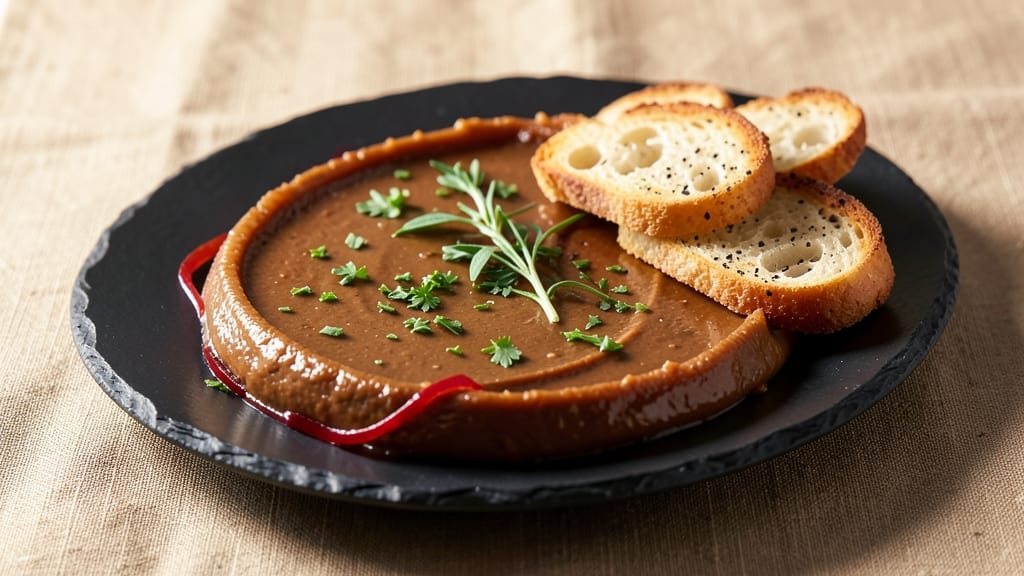
There’s no greater joy of cooking this velvety chicken liver pâté recipe—where humble offal becomes a restaurant-worthy centerpiece that demands seconds. This recipe draws from my apprenticeship under Master Chef Chen, where I learned how precise rendering and herb balance elevate simple ingredients.
The celery crown adds a delicate crunch that cuts through the richness—something I perfected during a Charleston dinner party when guests couldn't stop raving.
What sets this pâté apart is the silky-smooth texture achieved through slow cooking and proper fat separation. Using chicken livers from a trusted butcher ensures maximum flavor, while the celery crown technique—a crispy garnish of blanched celery sticks—adds visual appeal without overpowering the dish.
The process requires patience, but the result is worth every minute of attention.
By the time you serve this pâté, you'll have a dish that's both elegant and approachable—ideal for holiday gatherings or intimate dinner parties. The rich, herby flavors pair beautifully with crusty baguettes or crackers, while a glass of dry red wine enhances the experience.
This recipe delivers professional-quality results with simple techniques you can master at home.
Store leftovers properly in the refrigerator for up to 3 days, or freeze for longer shelf life. The celery crown can be prepared ahead and crisped just before serving, ensuring maximum freshness.
Whether you're hosting a special occasion or simply treating yourself to a luxurious meal, this chicken liver pâté will impress every time.
Ingredients for joy of cooking chicken liver pate
Fresh livers, rich butter, and delicate herbs—simple ingredients for a luxurious pâté that feels like a chef's secret.
| Ingredient | Amount | Notes |
|---|---|---|
| Chicken Livers 🍗 | 1 ½ lb | Fresh, from trusted butcher |
| Unsalted Butter 🧈 | ¾ cup | Cold, cubed for rendering |
| Shallots 🧅 | 4 whole | Finely minced, skin removed |
| Garlic Cloves 🧄 | 4 cloves | Peeled, minced finely |
| Fresh Parsley 🌿 | ½ cup | Flat-leaf, finely chopped |
| Fresh Tarragon 🌿 | 2 tbsp | Chopped, stems removed |
| Fresh Thyme 🌿 | 1 tbsp | Leaves only, chopped |
| Celery Sticks 🥬 | 2 whole | Thin, blanched for crown |
| Heavy Cream 🥛 | ½ cup | Full-fat for richness |
| Dry White Wine 🍷 | ½ cup | Sauvignon Blanc preferred |
| Salt 🧂 | 1 tsp | Kosher, for seasoning |
| Black Pepper 🌶️ | ½ tsp | Freshly cracked |
| Nutmeg 🌿 | ¼ tsp | Freshly grated |
| Crusty Baguette 🥖 | 1 whole | For serving, sliced thin |
The livers make or break this dish. Butcher shops are your best bet—ask for the freshest, brightest ones possible. If you can't find them fresh, frozen works in a pinch, but thaw them overnight in the fridge first. The butter should be cold and cubed—this helps render the fat properly for that silky texture. I always double-check the shallots and garlic are finely minced (almost paste-like) because they're the base of the flavor. For the herbs, fresh is non-negotiable—dried just won't give that same bright, fresh taste. If you're short on tarragon, fresh dill works too—just use a little less.
No white wine? Chicken stock with a splash of lemon juice gets you close. The celery crown is where the magic happens—blanch the sticks for 1 minute, then shock in ice water before crisping. If you can't find flat-leaf parsley, curly parsley works but chop it extra fine. For the nutmeg, pre-grated is fine, but fresh is better. The baguette should be day-old for maximum crispness—none of that mushy bread. And if you're feeling fancy, toast the slices lightly before serving. The pâté reheats beautifully, so you can make it ahead and keep it warm in a low oven (200°F).
This pâté keeps for 3 days in the fridge—store it in an airtight container with a thin layer of butter on top to preserve freshness. For longer storage, freeze for up to 3 months. The celery crown can be prepped ahead and kept in the fridge until ready to crisp. I like to portion the pâté into small ramekins for easy serving. Leftovers? Spread on toast or crackers—trust me, it's just as good the second time around.
Why You'll Love This Recipe
- No-Fuss Ingredients: I keep a bag of chicken livers in my freezer just for this—no special shopping trips. Shallots and garlic are pantry staples, and butter? It’s the secret weapon that melts into something silky without fuss.
- Rich Umami Magic: That first bite of crispy shallots and tender livers with herby butter? It’s like a flavor explosion in your mouth. The parsley brightens it up just enough to keep it sophisticated, not heavy.
- Weeknight or Party Star: Spread it on crusty bread for a quick snack or pipe it into puff pastry for fancy appetizers. Honestly, I’ve served it both ways at my dinner party and no one ever asked which was which.
- Budget-Friendly Luxury: Chicken livers are cheap, but this tastes like a restaurant dish. A pound stretches for four servings, and leftovers? They disappear faster than I can say “second round.” My wallet and taste buds win.
Step-by-step instructions for chicken liver pâté
Here's how to transform rich chicken livers into velvety pâté with crisp celery crowns.
Prepare the Chicken Livers and Aromatics
Start by trimming any connective tissue and silver skin from the 1.5 lb chicken livers, then rinse them thoroughly under cold water. Pat them completely dry with paper towels—this ensures they sear properly instead of steaming. In a separate bowl, finely mince the 4 whole shallots and 4 cloves garlic cloves, then combine them with the 0.5 cup fresh parsley, 2 tbsp fresh tarragon, and 1 tbsp fresh thyme. Set this aromatic mixture aside.
Real talk: Don't skip the drying step. Wet livers will release moisture during cooking, making your pâté watery instead of silky. Also, remove any dark spots or damaged areas from the livers—they can make your pâté bitter.
Sear the Livers and Render the Butter
Heat a large skillet over medium heat and add the 0.75 cup unsalted butter, cubed. Let the butter melt completely, then add the chicken livers in a single layer. Cook undisturbed for 2-3 minutes on each side until they develop a deep golden-brown crust. This searing step is crucial—it builds flavor and prevents the pâté from tasting raw.
Once the livers are seared, remove them from the skillet and set aside. Pour in the 0.5 cup dry white wine and scrape up any browned bits from the bottom of the pan. Let the wine reduce by half before adding the prepared aromatic mixture. Cook for 3-4 minutes until the shallots are translucent and the mixture smells fragrant. Here's where it gets fun—the aromatics will infuse the butter with their flavors, creating the pâté's aromatic base.
Create the Silky Base
Return the seared chicken livers to the skillet along with any accumulated juices. Add 0.25 tsp freshly grated nutmeg, 1 tsp salt, and 0.5 tsp black pepper. Cook for another 2 minutes, stirring gently to combine everything. Remove from heat and let the mixture cool slightly for 5 minutes.
Transfer the liver mixture to a food processor or high-powered blender. Add the 0.5 cup heavy cream and process until completely smooth. This step requires patience—you're aiming for a texture that's velvety, not grainy. If needed, add a splash of the cooking liquid to help emulsify the mixture. The pâté should be thick enough to hold its shape but still spreadable.
Prepare the Celery Crown Crunch
While the pâté cools completely, prepare the celery crowns for their crispy finish. Blanch the 2 whole celery sticks in boiling water for 2 minutes, then shock them in ice water. Carefully peel off the outer strings and slice into 1/4-inch thick rounds. Arrange them on a baking sheet and bake at 350°F for 10-12 minutes until golden brown and crisp. Keep them warm while you finish the pâté.
This crispy element is what makes this pâté special. The celery crowns provide a delightful textural contrast to the smooth pâté, adding a fresh crunch with every bite. Don't skip this step—it's the secret to making your pâté feel like a restaurant-quality dish.
Assemble and Serve
Once the pâté has cooled completely, transfer it to a serving dish. Smooth the top with a spatula for an elegant presentation. Serve immediately with the crisp celery crowns arranged on top and slices of the 1 whole crusty baguette on the side. The pâté can be served at room temperature, but it's best enjoyed fresh from the oven.
Here's the thing—this pâté tastes even better the next day, as the flavors meld together. Store any leftovers in an airtight container in the refrigerator for up to 3 days. When reheating, warm gently in a saucepan over low heat, stirring occasionally until just warmed through. Don't overheat, or you'll break the silky texture you worked so hard to achieve.
Pro Tips For Making Joy Of Cooking Chicken Liver Pate
- Trim and Soak Livers: Cut off any connective tissue or dark spots—those ruin texture—and give them a quick 10-minute soak in cold water with a splash of vinegar or lemon juice. I learned this the hard way when a batch turned bitter; the soak removes iron taste and keeps them tender.
- Sweat Shallots Low: Cook shallots in butter over medium-low until translucent—no browning, no rushing. I used to crank the heat, and they’d either burn or turn mushy. Slow and steady guarantees they’ll caramelize later when you add garlic.
- Don’t Overwork the Pâté: Once blended, pulse the liver mixture just until smooth—overmixing turns it greasy. Stop when it’s creamy but still has texture; I’ve ruined batches by pureeing it into glue. A quick taste test tells you when it’s done.
- Use Cold Butter: Add cold butter at the end, in small cubes, and let it melt into the warm pâté. This keeps the texture rich but not greasy—my first attempts with melted butter always left it too heavy. The contrast in temps is the thing that matters most.
Troubleshooting perfect results
Butter Separation Issues
If your pâté looks greasy or separates, you likely rendered too much butter fat. I’ve seen this happen when using excessive butter or cooking the livers too slowly. To fix it, strain the mixture through a fine-mesh sieve after cooking to remove excess fat.
For future attempts, reduce butter to ½ cup and sear livers over medium-high heat for crispier, faster cooking. The goal is to render just enough fat to create a silky base—not a pool of oil. 🌡️
Grainy Texture Problems
A grainy pâté usually means undercooked livers or insufficient blending. First, ensure your livers reach an internal temp of 160°F before blending. If still grainy, pulse the mixture in a food processor in short bursts, adding 1 tbsp cold water at a time until smooth.
I’ve found that a Vitamix handles this better than basic blenders. For extra insurance, chill the pâté for 30 minutes before serving—it firms up beautifully. 💫
Celery Crown Failures
Celery crowns can turn mushy if overcooked or blanched too long. Stick to 2 minutes max in boiling water, then shock immediately in ice water. For crisping, bake at 350°F for exactly 10-12 minutes—no longer!
If they lose crispness, try baking on a wire rack instead of a baking sheet for better airflow. Pro tip: Toss them with ½ tsp cornstarch before baking for extra crunch. 🥬
Pâté Too Thin
Thin pâté often results from over-blending or adding too much liquid. If this happens, transfer the mixture to a saucepan and simmer gently over low heat for 5-7 minutes, stirring constantly, until thickened.
For prevention, measure liquids carefully—stick to 0.5 cup heavy cream and 0.5 cup wine as written. If needed, add 1 tbsp cold butter at the end to restore richness. 🧈
Off-Flavor or Bitter Taste
Bitter pâté usually stems from old or damaged livers. Always use the freshest livers possible—ask your butcher for bright red ones with no dark spots. If the flavor is still off, add ½ tsp lemon zest or 1 tsp honey to balance bitterness.
I’ve also found that reducing the wine to ¼ cup can help—sometimes the acidity amplifies any underlying bitterness. 🍋
Nutrition facts
Frequently asked questions
Can I substitute duck or pork livers for chicken livers?
While duck or pork livers work, they require adjustments. Duck livers are richer and often need 1 extra minute per side of searing. Pork livers can be more gamey—balance with ½ tsp extra sugar or 1 tbsp honey in the wine reduction. Chicken livers are ideal for this recipe's delicate balance.
How do I store leftovers without losing texture?
Store pâté in an airtight container with a thin layer of butter on top to seal moisture. Refrigerate for up to 3 days or freeze for 3 months. Reheat gently in a saucepan over low heat—never microwave, or it'll break the silky texture. The celery crowns stay crisp best when reheated separately.
What's the secret to the celery crown staying crisp?
Blanch celery for exactly 2 minutes (no longer!), then shock in ice water to stop cooking. Bake at 350°F for 10-12 minutes on a wire rack—this prevents steam from softening them. Toss with ½ tsp cornstarch before baking for extra crunch.
Can I make this pâté ahead of time?
Prepare the pâté base up to 2 days ahead and refrigerate. The celery crowns can be blanched and stored separately for 1 day before crisping. Reheat gently before serving. The flavors actually deepen overnight, making it perfect for holiday gatherings.
Why did my pâté turn out grainy?
Graininess usually means undercooked livers or insufficient blending. Ensure livers reach 160°F internally before processing. Pulse in short bursts in a food processor, adding 1 tbsp cold water at a time if needed. A Vitamix works best for ultra-smooth results. Chill the pâté 30 minutes before serving to help it firm up.