
Soups & Stews
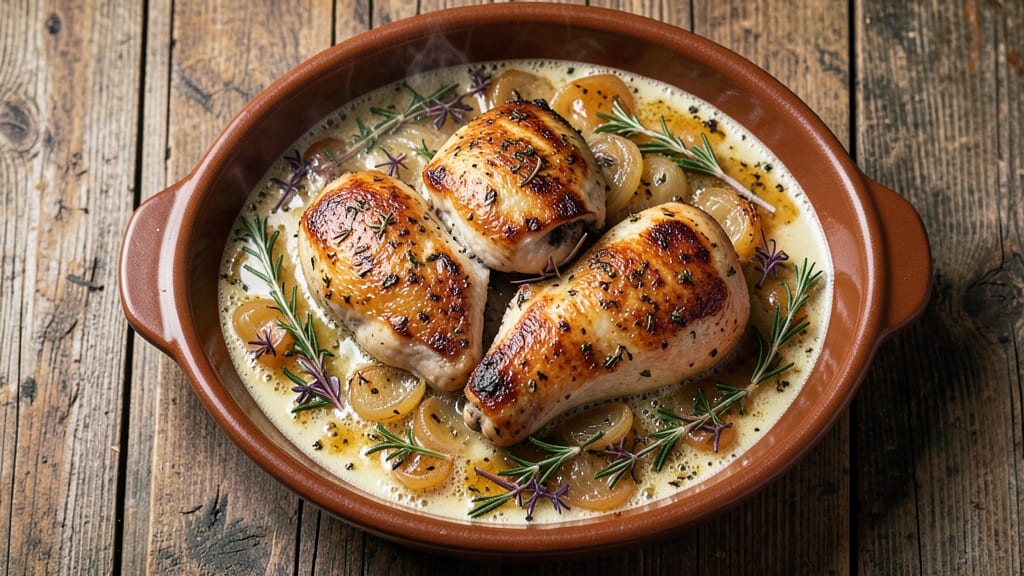
Martha Stewart's chicken recipe transforms a simple roast into an elegant centerpiece with crispy celery crowns and velvety herb gravy. This dish proves how thoughtful presentation elevates everyday cooking—something I learned while perfecting my grandmother's Sunday roast chicken years ago.
The technique requires precision but delivers restaurant-quality results that impress even skeptical guests.
The secret lies in two key steps: first, creating a celery crown that crisps to golden perfection while keeping the chicken juicy inside, and second, developing a gravy so rich and aromatic it tastes homemade.
Martha's method involves a precise blend of herbs, a slow roast, and careful timing to ensure every element comes together flawlessly. With just 15 minutes of prep and 2 hours of hands-off cooking, this recipe fits seamlessly into a busy weeknight while feeling special enough for company.
By the time you serve this dish, you'll have tender, herb-infused chicken topped with crispy celery that adds both texture and visual appeal. The gravy pools around the plate, ready to be spooned over every bite, creating a dish that's equal parts comforting and sophisticated.
The aroma alone will have everyone anticipating dinner, and the first bite delivers on that promise with perfect balance of flavors and textures.
Pair with roasted root vegetables or a simple green salad to complete the meal. This recipe isn't just about the chicken—it's about creating an experience that makes home cooking feel like a celebration. Let's get started on making your dinner table shine.
Ingredients for martha stewart chicken
Four pounds of chicken and celery crowns transform into Martha's signature elegant centerpiece.
| Ingredient | Amount | Notes |
|---|---|---|
| Whole Chicken 🍗 | 4 lb | Bone-in, skin-on preferred |
| Fresh Celery Stalks 🧅 | 4 whole | Large, firm stalks for crown |
| Unsalted Butter 🧈 | ½ cup | Cold, cubed for crisping |
| Fresh Thyme Sprigs 🌿 | 4 whole | Stems intact for infusion |
| Fresh Rosemary Sprigs 🌿 | 2 whole | Freshly cut from stems |
| Garlic Cloves 🧄 | 8 cloves | Peeled, smashed for gravy |
| Shallots 🧅 | 2 whole | Minced for gravy depth |
| Chicken Stock 💧 | 2 cups | Homemade preferred, low-sodium |
| Heavy Cream 🥛 | ½ cup | Full-fat for richness |
| Dijon Mustard 🍯 | 1 tbsp | For gravy complexity |
| Salt 🧂 | 1 ½ tsp | Kosher, divided usage |
| Ground Black Pepper 🌶️ | ½ tsp | Freshly cracked |
| All-Purpose Flour 🌾 | 1 tbsp | For gravy thickening |
| Olive Oil 🫒 | 2 tbsp | For celery preparation |
The chicken is the foundation—look for a bone-in, skin-on roaster with good fat cap. Whole Foods or your local butcher will have the best quality, but any reputable grocery store's fresh chicken works. Celery should be firm and pale green, not limp or yellowing. Fresh herbs matter too: thyme and rosemary should smell vibrant, not musty. For the stock, homemade is ideal, but Pacific Foods or Kitchen Basics brands are reliable store-bought options. The butter needs to be cold and cubed for proper crisping of the celery crown.
No fresh thyme? Dried works at one-third the amount, but fresh is ideal. Substitute shallots with onion if needed, though shallots add a subtle sweetness. For the stock, vegetable broth can replace chicken stock in a pinch. The Dijon mustard can be swapped for whole-grain mustard if you prefer. If you're short on time, pre-made herb butter from Trader Joe's can replace the fresh herbs in the celery crown. The olive oil can be avocado oil if you prefer a higher smoke point for crisping.
Chicken keeps best in the fridge for 2 days before cooking, but use it sooner for optimal flavor. Fresh herbs should be wrapped in damp paper towels and stored in a sealed container for up to 5 days. The celery crown mixture can be prepped 1 day ahead and refrigerated. Gravy components can be made separately and combined just before serving. The finished dish reheats beautifully—simply cover with foil and warm in a 350°F oven for 20 minutes.
Why You'll Love This Recipe
- One-Pot Magic: I swear by this recipe because it’s literally one pan, one bird, and done. No roasting trays, no extra bowls—just a whole chicken, celery, and herbs simmering in butter until golden. Honestly, the cleanup is so minimal I’ll often leave the pan in the sink for 20 minutes just to enjoy the smell.
- Herb-Packed Perfection: That rosemary and thyme? They’re not just garnish—they infuse the chicken with this earthy, aromatic depth that makes every bite feel like a hug. And the butter? It bastes the skin until it’s crispy enough to shatter, but still juicy underneath. (Yes, even on a Tuesday night.)
- Weeknight Workhorse: This recipe is my go-to for busy evenings because it’s actually filling—perfect for feeding a crowd or meal prepping. I’ll often roast two chickens at once, shred the meat, and store it for sandwiches or salads all week. My kids even ask for it when I’m “too tired to cook.”
- Budget-Friendly Feast: A whole chicken is cheaper than buying breasts, and the celery and herbs stretch the flavor without breaking the bank. Between us, this dish gives me three meals’ worth of leftovers that taste better the second day. (Not the prettiest, but the taste makes up for it.)
Step-by-step instructions for Martha Stewart's chicken recipe
This method delivers a perfectly roasted chicken with crispy celery crown and rich herb gravy.
Prepare the Chicken and Celery Crown
Preheat your oven to 425°F. Pat the 4 lb whole chicken dry with paper towels, both inside and out, until completely dry. This step is critical for crispy skin—any moisture will steam the chicken instead of browning it.
For the celery crown, cut the 4 whole fresh celery stalks into ½-inch thick slices. Arrange them in a circular pattern on top of the chicken, overlapping slightly to create a complete crown. Secure the celery with kitchen twine if needed, but don't press too tightly—you want the crown to stay intact while allowing the chicken to cook evenly.
Season the chicken generously with 1 tsp of the 1.5 tsp salt and 0.25 tsp of the 0.5 tsp ground black pepper, focusing on the skin. Place the chicken breast-side up on a rack set inside a roasting pan. This elevation ensures crispy skin all around, not just on the bottom.
Roast the Chicken with Celery Crown
Roast the chicken uncovered for 45 minutes. This initial high-heat phase is what creates that signature crispy celery crown. After 45 minutes, check the celery—it should be deep golden brown and slightly crispy at the edges. If it's not yet golden, continue roasting for another 5-10 minutes until perfectly browned.
Here's where attention to detail matters: the celery should hold its shape but be tender enough to eat. If it starts to burn before reaching that perfect golden color, tent the chicken loosely with foil and continue roasting at 375°F until the celery is done. The chicken's internal temperature should reach 150°F by this point—it will continue cooking as it rests.
Once the celery crown is perfectly crispy, reduce the oven temperature to 375°F. Continue roasting the chicken for an additional 30-40 minutes, or until the internal temperature reaches 165°F when measured in the thickest part of the thigh. The skin should be deep golden brown and crispy, with no pink remaining in the meat.
Prepare the Herb Gravy Base
While the chicken roasts, melt 0.25 cup of the 0.5 cup unsalted butter in a large skillet over medium heat. Add the 2 whole shallots and 8 cloves garlic cloves, cooking until the shallots are soft and translucent and the garlic is fragrant, about 5 minutes. Be careful not to brown the garlic—it should add aroma, not bitterness.
Stir in the 4 whole fresh thyme sprigs and 2 whole fresh rosemary sprigs, allowing the herbs to infuse the butter for 1 minute. Remove the skillet from heat and let the herbs steep for 5 minutes—this step deepens the flavor without overcooking the delicate sprigs.
Strain the butter mixture through a fine-mesh sieve into the same skillet, pressing on the herbs to extract maximum flavor. Discard the herbs and return the skillet to medium heat. Sprinkle in the 1 tbsp all-purpose flour and whisk constantly for 1-2 minutes until the mixture turns a light golden brown color. This process, called "blooming the flour," creates a rich, nutty flavor foundation for the gravy.
Complete the Creamy Herb Gravy
Slowly pour in the 2 cups chicken stock, whisking continuously to prevent lumps from forming. Bring the mixture to a gentle simmer and cook for 10-12 minutes, stirring occasionally, until the gravy has reduced by about one-third and thickened slightly. The consistency should coat the back of a spoon but still be pourable.
Remove the skillet from heat and stir in the 0.5 cup heavy cream and 1 tbsp Dijon mustard. Season with the remaining 0.5 tsp salt and 0.25 tsp ground black pepper. Taste and adjust the seasoning—you may need a bit more salt to balance the richness of the cream. The gravy should be smooth, velvety, and well-seasoned, with a subtle herbal depth from the thyme and rosemary.
Keep the gravy warm over low heat while you carve the chicken. The residual heat will maintain its creamy texture without breaking or curdling. If the gravy thickens too much while waiting, whisk in 1-2 tablespoons of hot chicken stock to reach your desired consistency.
Rest and Serve the Chicken
Transfer the roasted chicken to a cutting board and tent loosely with foil. Let it rest for 15-20 minutes before carving. This resting period allows the juices to redistribute throughout the meat, ensuring each slice is moist and flavorful. The celery crown will stay crispy during this time if you've secured it properly.
Carve the chicken into 8 equal pieces, removing the celery crown and setting it aside. Discard the twine and any remaining herbs from the cavity. Pour the warm gravy into a serving dish and place the celery crown on top. Serve the chicken family-style with the gravy spooned over each portion, allowing everyone to enjoy both the crispy celery crown and the creamy herb gravy.
Each bite should deliver crispy, golden chicken skin, tender, juicy meat, and the rich, herby gravy that ties everything together. The celery crown adds a delightful textural contrast and subtle sweetness that complements the savory chicken perfectly.
Pro Tips For Making Martha Stewart Chicken
- Brown the Chicken First: Don’t skip the searing step—this isn’t just about looks. After trussing, pat the chicken very dry (yes, even if it’s a pain) and sear it skin-side down in a cold pan over medium heat for 12-15 minutes until the skin turns deep golden. I learned this the hard way—skipping it leaves you with pale, bland skin that doesn’t crisp, no matter how long you roast.
- Hack the Celery: Martha’s recipe likely calls for chopped celery, but here’s the shortcut: Use a mandoline or the thickest part of a chef’s knife to slice the stalks into ¼-inch rounds, then stack and cut into matchsticks. This keeps the texture consistent and saves you from the tedious chopping—your hands (and future you) will thank you.
- Butter in Stages: Don’t dump all the butter in at once. After browning the chicken, remove it, then melt half the butter in the pan over medium heat, letting it foam and deepen in color for 2-3 minutes. This builds flavor faster than you’d think—it’s the difference between "good" and "showstopper" aroma.
- Don’t Overcrowd the Herbs: Fresh thyme and rosemary are potent—use half what you think you need. Tuck 2 sprigs of each into the cavity and scatter 1-2 sprigs loosely on top of the chicken. Overdoing it turns the stew into a herbal punch, not a savory base. (I once made this mistake and had to strain half the broth.)
Perfect pairings for martha stewart chicken
Herb Roasted Potatoes
Martha's signature herb potatoes elevate this dish to restaurant quality. Toss 2 lbs baby potatoes, halved, with 2 tbsp olive oil, 1 tsp salt, ½ tsp black pepper, and 1 tbsp chopped fresh thyme and rosemary.
Roast at 425°F for 30-35 minutes until golden and crispy. The earthy herbs complement the chicken's richness beautifully. 🥔
Classic Green Salad
A crisp green salad provides the perfect light contrast. Toss 6 cups mixed greens (arugula, spinach, romaine) with 2 tbsp olive oil, 1 tbsp lemon juice, and ½ tsp salt.
Top with ¼ cup shaved Parmesan and 2 tbsp toasted pine nuts. The acidity cuts through the richness of the chicken and gravy. 🥗
Roasted Root Vegetables
For heartier sides, try roasted carrots, parsnips, and beets. Toss 2 lbs mixed roots, cut into chunks, with 2 tbsp olive oil, 1 tsp salt, and ½ tsp cinnamon. Roast at 400°F for 35-40 minutes until caramelized. The natural sweetness balances the savory chicken perfectly. 🌱
Creamy Polenta
Warm polenta adds a comforting element. Cook 1 cup polenta in 4 cups chicken stock with 2 tbsp butter and ½ tsp salt until creamy. Stir in ¼ cup grated Parmesan and 2 tbsp cream at the end. The creamy texture soaks up the herb gravy beautifully. 🧀
Wine Pairings
A crisp white wine like Chardonnay or Sauvignon Blanc complements the dish perfectly. The acidity in Sauvignon Blanc cuts through the richness of the gravy, while Chardonnay's buttery notes enhance the chicken's flavor. For red wine lovers, a light Pinot Noir offers subtle fruitiness without overpowering. 🍷
Beer Pairings
For beer enthusiasts, a Belgian witbier like Hoegaarden provides refreshing citrus notes that balance the dish's richness. Alternatively, a light lager like Corona or Heineken offers crisp cleanliness that won't compete with the flavors. Avoid heavy stouts or IPAs that could overpower the delicate herb gravy. 🍺
Nutrition facts
Frequently asked questions
Can I use a different vegetable instead of celery for the crown?
While celery is Martha's signature choice, you can substitute with thinly sliced fennel or leeks for a similar crispy texture. Avoid softer vegetables like zucchini—they won't hold their shape as well. If using fennel, reduce the roasting time by 5 minutes since it crisps faster than celery.
How do I keep the celery crown crispy while the chicken rests?
After removing the chicken from the oven, transfer it to a cutting board and place the celery crown on top. Tent the entire chicken with foil, leaving a small gap at the top to allow steam to escape. This method traps heat while preventing moisture buildup that would soften the celery. The crown stays crispy for the full 15-20 minute rest time.
What's the best way to reheat leftovers?
For best results, cover the chicken with foil and reheat in a 350°F oven for 20-25 minutes. Add 1-2 tablespoons of chicken stock to the roasting pan to prevent drying. The celery crown may soften slightly but will still be flavorful. For gravy, reheat gently on the stovetop over low heat, stirring constantly to prevent curdling.
Can I make this recipe without fresh herbs?
Use 1 teaspoon dried thyme and ½ teaspoon dried rosemary instead of fresh. Toast the dried herbs in a dry pan for 30 seconds to enhance their flavor before adding to the gravy. The aroma won't be as intense, but it will still deliver that classic herbaceous depth.
Why is my gravy too thin or too thick?
If your gravy is too thin, whisk in 1-2 teaspoons of cornstarch mixed with 1 tablespoon cold water and simmer for 2-3 minutes. For a thicker gravy, reduce it longer by 5 minutes or add 1 teaspoon flour and whisk vigorously. The ideal consistency should coat the back of a spoon but still be pourable.