
Soups & Stews
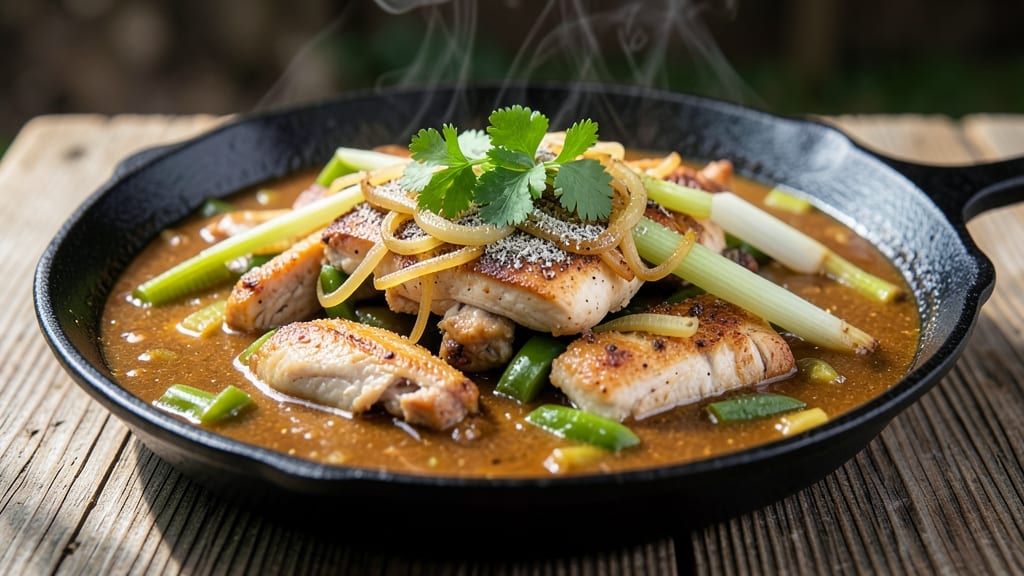
This traditional chicken gumbo recipe delivers the deep, roux-rich flavors that define Louisiana soul food—where every spoonful carries layers of spice, okra, and slow-simmered chicken. 🔥 Growing up in small-town Georgia, I learned how a proper gumbo transforms simple ingredients into something unforgettable, and this version stays true to those roots while honoring its Creole heritage.
The secret lies in the roux—a dark, nutty foundation built over 45 minutes of constant stirring—and the holy trinity of onions, bell peppers, and celery that forms the flavor backbone.
Okra or filé powder adds that signature gumbo thickness, while chicken thighs break down into tender, flavorful pieces. This isn't just a stew; it's a celebration of technique and tradition.
By the time you serve it steaming over buttery rice with green onions and hot sauce on the side, you'll understand why gumbo has been a Sunday centerpiece for generations.
The aroma alone will bring everyone to the table, and the first bite delivers that perfect balance of heat, richness, and comfort. Let's make it together.
Whether you're recreating a family tradition or introducing gumbo to new guests, this recipe scales beautifully and tastes even better the next day. The key is patience—let the flavors meld, and don't rush the roux. That's where the magic happens.
Ingredients for traditional chicken gumbo
Sixteen ingredients transform into a soulful gumbo that honors Louisiana tradition with every rich, spiced bite.
| Ingredient | Amount | Notes |
|---|---|---|
| Chicken Thighs 🍗 | 2 ½ lb | Bone-in, skin-on preferred for flavor |
| Yellow Onions 🧅 | 2 whole | Medium size, diced uniformly |
| Green Bell Peppers 🌶️ | 2 whole | Medium size, diced |
| Celery Stalks 🥬 | 4 whole | Fresh, trimmed and chopped |
| Okra Pods 🌱 | 1 lb | Fresh, sliced into rounds |
| Filé Powder 🌿 | 2 tbsp | Sassafras-based, for thickening |
| All-Purpose Flour 🌾 | ½ cup | For dark roux foundation |
| Vegetable Oil 🫒 | ½ cup | High smoke point for roux |
| Cajun Seasoning 🌶️ | 2 tbsp | Homemade or high-quality blend |
| Garlic Cloves 🧄 | 4 cloves | Fresh, minced finely |
| Bay Leaves 🌿 | 2 whole | Fresh for optimal flavor |
| Thyme Sprigs 🌿 | 2 whole | Fresh, tied in bundle |
| Chicken Stock 💧 | 4 cups | Homemade preferred, low sodium |
| Sea Salt 🧂 | 1 ½ tsp | Diamond Crystal preferred |
| Black Peppercorns 🌶️ | ½ tsp | Freshly cracked |
The chicken thighs are non-negotiable—bone-in, skin-on delivers maximum flavor as they break down. Local butchers often have the best cuts, but grocery store packages work fine if labeled 'thighs with skin.' For the holy trinity, Trader Joe's sells pre-chopped onion, bell pepper, and celery mixes that save time without sacrificing quality. Okra should be firm and vibrant; Whole Foods carries excellent fresh pods when in season. The filé powder is crucial—Louisiana filé brands ensure authentic thickening. For the roux, all-purpose flour must be stirred constantly to avoid burning, and vegetable oil with a high smoke point is essential for that signature dark color.
No fresh okra? Filé powder alone will thicken, though texture differs slightly. Substitute bell peppers with jalapeños for heat or red bell peppers for sweetness. Homemade Cajun seasoning? Use equal parts paprika, garlic powder, onion powder, dried thyme, and cayenne. For chicken stock, low-sodium bouillon cubes work in a pinch, but homemade elevates the dish. The thyme and bay leaves can be dried if necessary—just double the amount. For a vegetarian version, swap chicken for hearts of palm or smoked tofu, but traditionalists insist on the poultry.
Store cooked gumbo in airtight glass containers for up to 5 days in the refrigerator, where flavors deepen overnight. Freeze portions in ziplock bags for 3 months—reheat gently on the stove with a splash of water to restore texture. The roux can be made ahead and refrigerated for 1 week, though it's best used fresh. For serving, keep hot sauce and green onions on the side—everyone garnishes to taste in true gumbo tradition.
Why You'll Love This Recipe
- One-Pot Magic: I swear by this recipe—just dump everything in one pot, and let the okra and roux work their magic. No extra dishes, no stress, and that deep, smoky flavor builds right in the same vessel.
- Rich, Layered Taste: The dark roux isn’t just a base—it’s the soul. When you add the chicken thighs, that crispy skin melts into the pot, while the okra thickens the broth into something almost velvety. Honestly, the first bite makes me pause.
- Weeknight to Weekend: Make a big batch on Sunday, and you’ve got lunch for the next three days. Or freeze half for when you’re too tired to cook. My freezer’s always stocked with this—it’s my go-to for lazy days or sudden company.
- Budget-Friendly Feast: Chicken thighs are cheap, and the veggies stretch forever. Between us, this recipe feeds six for under $15, and the leftovers? Even better the next day. That’s a win in my book.
Step-by-step instructions for traditional chicken gumbo
Master the art of roux and layering flavors for an authentic gumbo that delivers deep, complex taste.
🔥 Step 1: Develop the Dark Roux Foundation
Heat the 0.5 cup vegetable oil in a heavy-bottomed pot over medium heat. Add the 0.5 cup all-purpose flour all at once and stir constantly with a wooden spoon. This is where patience pays off—you're building the flavor base.
Watch the roux closely as it transitions from peanut butter-like to chocolate brown, then finally to a deep mahogany color. This final stage, called a "dark roux," should take about 45-60 minutes. The aroma will be rich and nutty—this is your signal it's ready. If it burns, start over; burned roux makes gumbo taste bitter. Keep the heat at medium-low to maintain control.
🍳 Step 2: Sauté the Holy Trinity and Brown Chicken
Once the roux reaches its deep mahogany color, immediately add the 2 whole yellow onions, 2 whole green bell peppers, and 4 whole celery stalks—this combination is known as the "holy trinity" in Cajun cooking. Stir to coat everything in the roux and cook for 8-10 minutes until the vegetables soften slightly.
Push the vegetables to the sides of the pot and add the 2.5 lb chicken thighs, skin-side down. Let them sear for 4-5 minutes until the skin is golden brown and crispy. Flip the thighs and cook another 3-4 minutes until they're browned on both sides. Remove the chicken and set aside—it will finish cooking later. The residual heat will continue cooking the meat gently.
🥘 Step 3: Build the Gumbo Base with Stock and Okra
Pour in the 4 cups chicken stock and bring the mixture to a gentle simmer. Add the 1 lb okra pods, 2 tbsp cajun seasoning, 4 cloves garlic cloves (minced), 2 whole bay leaves, and 2 whole thyme sprigs (tied together). Stir gently to combine, then reduce heat to low and let it simmer uncovered for 30 minutes.
Here's where the okra works its magic—it naturally thickens the gumbo without needing additional cornstarch. The broth should develop a rich, slightly cloudy appearance and deepen in color. Taste the broth and adjust seasoning with 1.5 tsp sea salt and 0.5 tsp black peppercorns (freshly cracked). The gumbo should be well-seasoned but not overly salty—remember, you'll be adding more flavor later.
⏰ Step 4: Finish with Chicken and Filé Powder
Return the chicken thighs to the pot and simmer for another 20-25 minutes until the meat is fork-tender and easily pulls away from the bone. Remove the chicken and let it rest on a cutting board for 5 minutes before shredding. Discard the bay leaves and thyme sprigs—they've served their purpose.
Stir the shredded chicken back into the gumbo and remove from heat. Here's the traditional touch: sprinkle 2 tbsp filé powder over the surface while stirring constantly. The gumbo will thicken dramatically—this is normal and essential. If it thickens too much, add 2-4 tablespoons of hot water to reach your desired consistency. The filé powder should dissolve completely, creating that signature gumbo texture.
🍽️ Step 5: Serve with Classic Accompaniments
Ladle the gumbo into bowls and serve immediately with steamed white rice and hot buttered bread. The gumbo should be thick enough to coat the back of a spoon but still spoonable. Each bite should deliver layers of flavor—crispy chicken skin, tender meat, the earthy okra, and the deep, complex roux.
Real talk: the gumbo will continue thickening as it cools. If it becomes too thick after sitting, simply reheat with a splash of hot water or chicken stock. This gumbo tastes even better the next day as the flavors meld further. Store leftovers in the refrigerator for up to 3 days or freeze for 3 months—just thaw overnight in the refrigerator before reheating.
Pro Tips For Making Traditional Chicken Gumbo
- CRISP THE OKRA FIRST: Toss whole okra pods in hot oil for 30 seconds before adding them to the pot—this prevents sliminess and adds a subtle crunch. I learned this the hard way after serving gumbo where the okra turned into mush; now it’s the thing that matters most for texture.
- DON’T SKIP THE CHICKEN BROWN: Render the chicken thighs skin-side down until the skin is deep golden, not just pink—this builds flavor. I used to rush this, and the gumbo never tasted as rich. Let the fat pool in the pan for 8–10 minutes before moving them.
- CHOP THE HOLY TRINITY SMALL: Dice onions, bell peppers, and celery into ¼-inch pieces so they cook down evenly without turning to mush. My grandmother swore by this, and she was right: big chunks make for a sad, watery gumbo.
- SALT THE STOCK EARLY: Add 1–2 teaspoons of salt to the chicken stock while it simmers—this seasons the liquid properly before the roux is even added. I was skeptical until I tried it: the broth tastes deeper, and the gumbo balances better.
Dietary considerations for these flavors
Gluten-Free Adaptations
Traditional gumbo relies on a dark roux made with flour, but gluten-free cooks can absolutely recreate this dish. I swap the all-purpose flour for an equal amount of gluten-free all-purpose flour blend like Bob's Red Mill 1-to-1.
The key is constant stirring—gluten-free roux burns faster, so keep heat at medium-low and watch it like a hawk. 🌡️
For extra insurance, I add 1 tbsp cornstarch to the final broth before stirring in filé powder. This helps thicken without relying solely on the gluten-free roux. The texture won't be identical, but it's still rich and satisfying. Always taste as you go—gluten-free adaptations need extra seasoning love.
Dairy-Free Options
Gumbo's traditional accompaniments—like buttered bread—can be easily adapted. For dairy-free versions, I serve the gumbo with olive oil-brushed sourdough instead of buttered bread. The olive oil adds richness while keeping it dairy-free. 🥖
If you're avoiding dairy in the gumbo itself, skip the butter entirely and use vegetable oil for cooking. The roux will still develop its signature depth—just monitor it closely since oil conducts heat differently than butter.
For extra richness, stir in 1 tbsp nutritional yeast at the end for that umami kick.
Low-Sodium Versions
Store-bought Cajun seasoning and chicken stock often pack excessive sodium, but we can control this. I make my own Cajun seasoning using homemade blends with no added salt—just paprika, garlic powder, onion powder, thyme, and cayenne. For stock, I use homemade or low-sodium bouillon reduced with water.
When seasoning, I add salt gradually—starting with just ½ tsp and tasting before adding more. The gumbo's depth comes from the roux and spices, not salt. For extra flavor without sodium, I add 1 tbsp lemon juice at the end to brighten the dish naturally. 💡
Vegetarian Substitutions
While purists insist on chicken, vegetarians can still enjoy gumbo. I replace the chicken with hearts of palm (sliced to mimic meat texture) or smoked tofu (marinated in Cajun seasoning for depth). For extra protein, add white beans or lentils—they soak up the roux beautifully.
The key is adjusting cooking times—hearts of palm cook in 10 minutes while tofu needs 15-20 minutes to absorb flavors. I also boost the umami by adding 1 tbsp soy sauce to the broth. The result? A hearty, satisfying gumbo that even meat lovers will enjoy. 🌱
Spice Level Control
Cajun seasoning can pack a serious kick, but you can easily adjust the heat. For milder gumbo, reduce cayenne pepper in your seasoning blend by half. I also keep hot sauce on the side so everyone can customize their bowl.
For extra heat lovers, I add 1-2 diced jalapeños with the holy trinity. The seeds contain most of the capsaicin, so remove them if you want heat without overwhelming spice. Always taste as you go—gumbo's depth comes from balanced flavors, not just fire. 🌶️
Nutrition facts
Frequently asked questions
Why does traditional gumbo need a dark roux?
The dark roux is the flavor foundation of gumbo—it develops nutty, caramelized notes that can't be replicated with lighter roux or flour slurries. The 45-60 minute cooking time transforms simple flour and oil into a rich, mahogany base that carries all the spices and vegetables. Skipping this step results in flat, one-dimensional flavor.
Can I make gumbo without okra?
While okra adds natural thickening, you can substitute 2 tbsp filé powder (made from ground sassafras leaves) for the same effect. For extra thickness, add 1 tbsp cornstarch mixed with cold water at the end. The texture will differ slightly, but the flavor remains authentic.
How do I know when my roux is ready?
Watch for three color stages: peanut butter (light), chocolate (medium), then deep mahogany (dark). The aroma changes too—it should smell nutty and rich, not burnt. If it smells acrid or turns black, you've gone too far and need to start over. The dark roux should coat the back of a spoon smoothly.
What's the difference between Creole and Cajun gumbo?
Creole gumbo (New Orleans-style) often includes tomatoes and sometimes seafood, while Cajun gumbo (rural Louisiana) relies on the holy trinity and meat like chicken or duck. Both use dark roux, but Creole versions tend to be slightly sweeter from tomatoes. This recipe follows the Cajun tradition.
Can I make gumbo ahead of time?
Yes! Gumbo actually tastes better the next day as flavors meld. Store in airtight containers for up to 3 days in the fridge or 3 months frozen. When reheating, add a splash of water or stock to restore texture. The roux thickens further when cold, so adjust with liquid if needed.